When it is time to upgrade your home's exterior in South Florida, sorting fact from absolute fiction regarding metal roofing is mandatory. Because these premium systems evolved so rapidly over the last 20 years, most homeowners are still holding onto totally outdated misconceptions. We are permanently debunking the most common myths about metal roofing. Read this to separate actual facts from neighborhood rumors regarding lightning strikes, rain noise, soaring energy costs, and rust.
Myth 1: Lightning Attraction and metal roofing
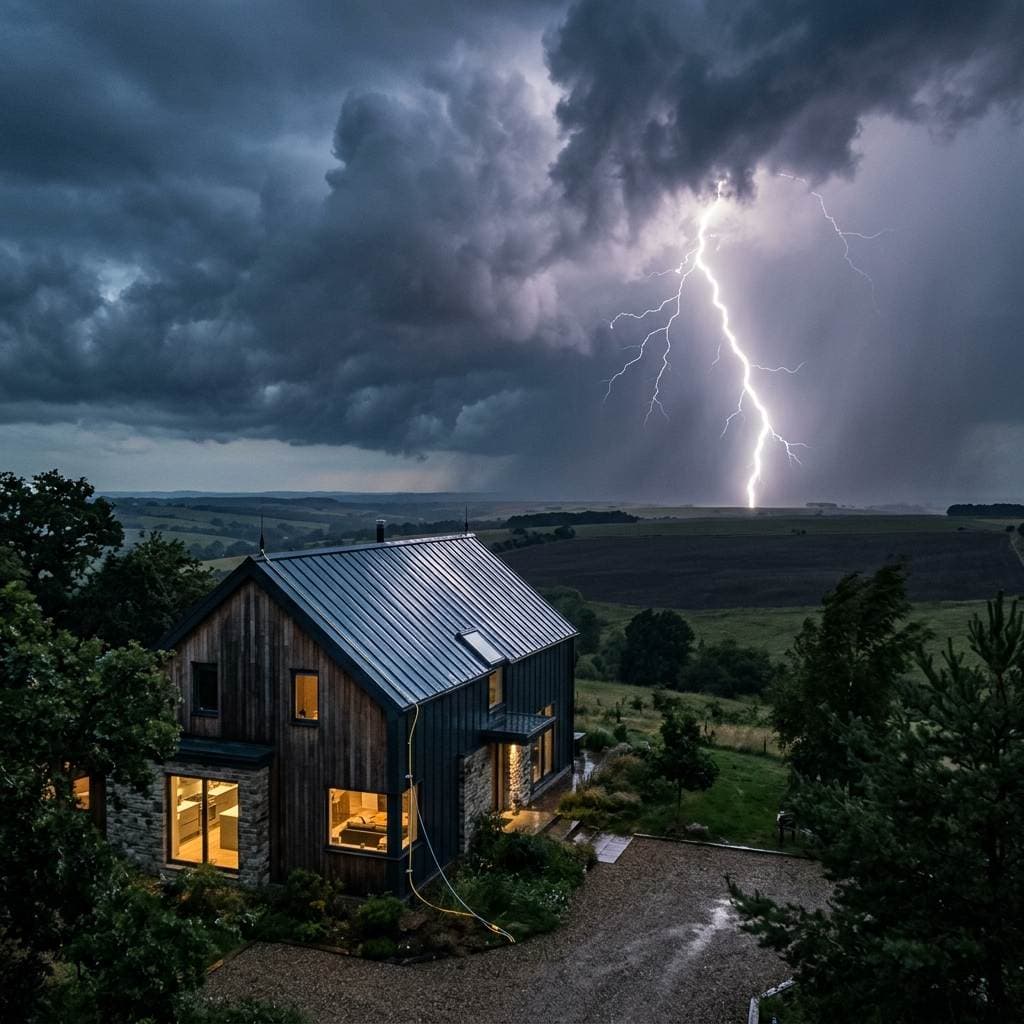
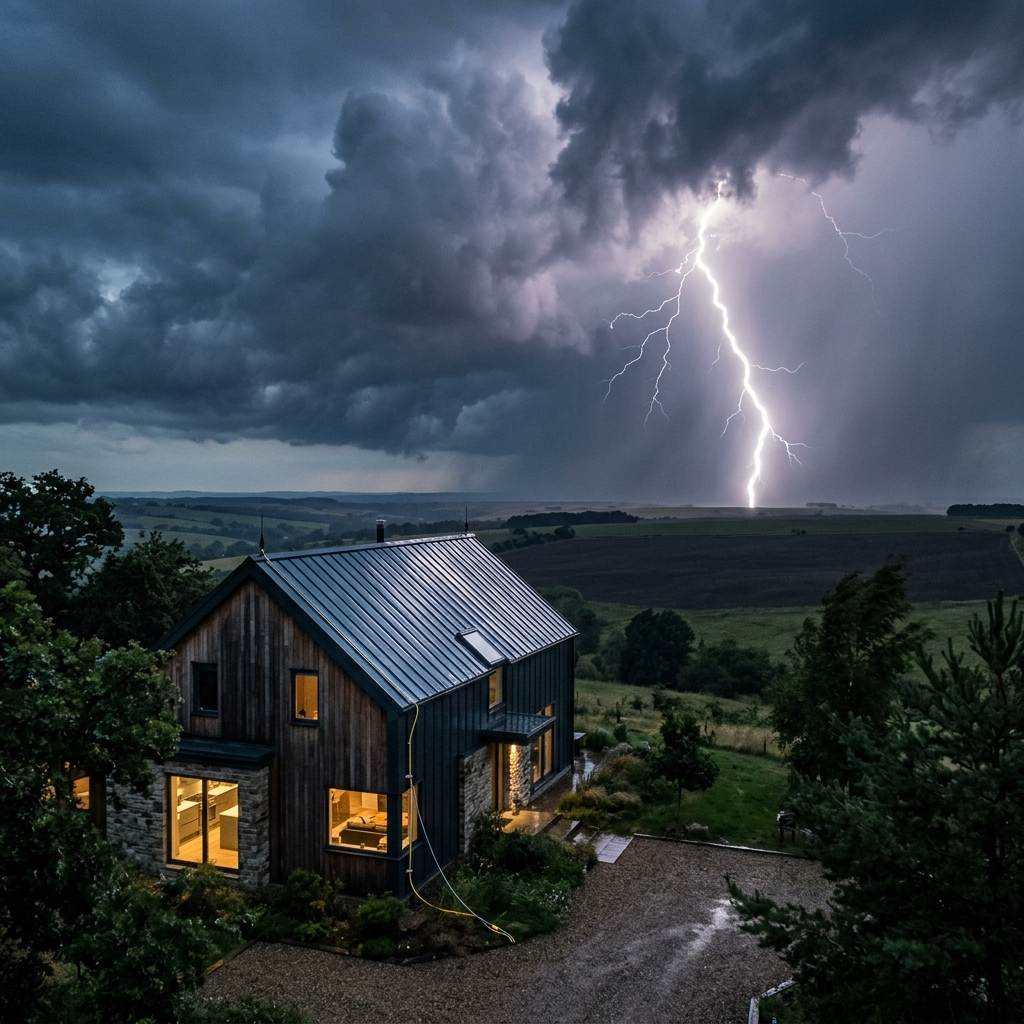
The biggest fear homeowners have is that strapping steel panels to their roof will act like a giant lightning rod during a summer thunderstorm. It is completely false. Lightning is attracted to the highest physical point in a specific area, regardless of what material that point is made of. The exact location of a lightning strike is dictated purely by topography and height. Your metal roofing does not attract lightning any more than a standard asphalt shingle roof.
More importantly, building codes require these systems to be electrically grounded. Installers tie the metal structure directly into a solid copper grounding rod driven eight feet deep into the earth. This system stops structural damage dead. If a strike actually does happen, the highly conductive metal safely disperses the electrical current across the roof's surface and dumps it directly into the ground. It is the ultimate path of least resistance. This instantly prevents the massive heat concentration that routinely ignites attic fires in wood-framed homes.
Myth 2: Noise Levels and Rain on metal roofing
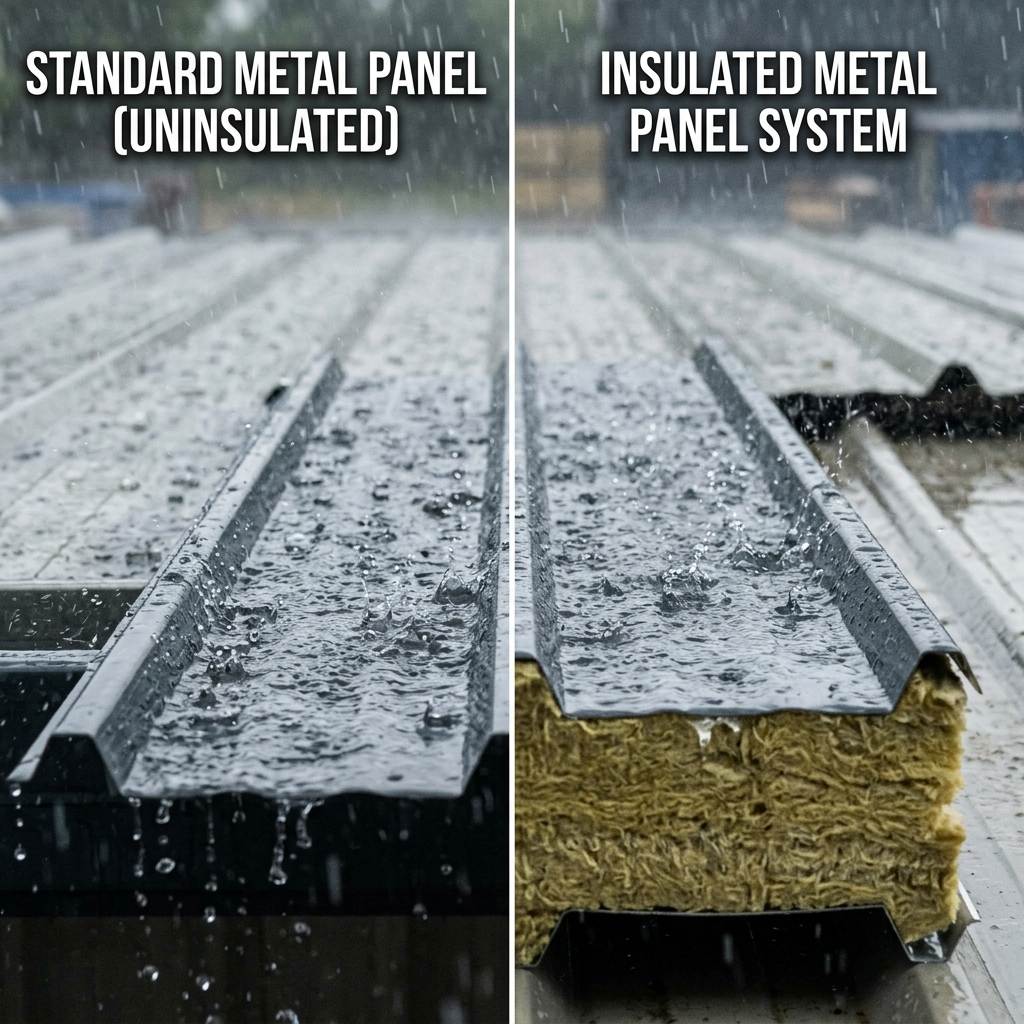
People still associate metal canopies with the deafening drumming sound of rain hammering a cheap tin barn. That is not how residential roofs work. Today's residential systems are screwed down tight over a solid plywood roof deck and a heavy, rubberized underlayment membrane.
Acoustic engineers have proven that applying a thick, self-adhering underlayment directly beneath the panels absorbs the physical vibrations caused by a heavy downpour. Those layered materials completely muffle the rain noise. Add in the fact that your residential attic holds deep layers of R-30 or R-38 blown-in fiberglass insulation. That insulation acts as a massive sound barrier, blocking outdoor noises from reaching your living room. Add modern double-glazed windows, and your home is basically a vault. This solid deck, combined with the dead air space in your attic, creates an acoustic barrier that shatters sound waves. Professional decibel tests confirm that modern sound insulation makes metal roofing just as quiet—if not quieter—than asphalt shingles during a massive Florida rainstorm.
Solar Heat Reflection of metal roofing
The other massive misconception is that a metal deck will absorb solar heat, turn your attic into an oven, and skyrocket your cooling bills. The exact opposite is true. Asphalt shingles absorb raw solar energy and hold that heat for hours after the sun goes down, slowly radiating warmth straight into your house.
Emissivity is what matters here. Emissivity is a material's ability to radiate heat away from itself rather than hoarding it. While asphalt holds onto thermal energy, metal has an incredibly high emittance rate. It cools down rapidly the second the sun sets. During the day, the highly reflective finish of metal roofing actively lowers your attic temperatures by bouncing solar energy right back into the sky. Panels coated with premium reflective paints reflect up to 70% of solar heat, slashing your AC cooling costs by up to 25% during the brutal Florida summer.
Corrosion Resistance of metal roofing
Coastal homeowners are terrified their new panels will rust out after a few years of heavy salt air and humidity. While raw, untreated iron will absolutely rust, modern steel panels are heavily coated with a specialized alloy of zinc and aluminum, known in the industry as Galvalume. This alloy delivers hardcore, long-term structural security.
This protective alloy actually features a unique self-healing property. When roofers cut the panels to fit your roof line, the exposed raw steel edges are immediately protected by the adjacent zinc molecules. Through a process called galvanic action, the zinc molecules literally migrate over to coat the raw steel edge. This seals the steel away from the oxygen, stopping rust from ever creeping under the paint layer. Because this metallic barrier blocks oxygen from reacting with the core, modern zinc alloys keep your metal roofing completely rust-free. Factor in the premium PVDF paint coatings that seal the joints, and rust is officially a non-issue for modern metal roofing installations.
Plan Your Roof Upgrade Wisely
Now that you know the actual facts, you can evaluate your options based on real-world performance. Check out our deep dive on the true coastal metal roofing lifespan to pick the perfect alloy for your exact address.
Want to check the math? Calculate your financial return by reviewing the exact cost of a metal roof, or compare the system against traditional clay tile roofing to nail down the perfect look for your estate.
Make an Informed Decision for Your Home
Stop listening to the myths. Choosing metal roofing delivers unmatched long-term value, elite wind resistance, and massive energy efficiency. It gives you total peace of mind when a Category 4 storm is sitting off the coast. For South Florida property owners who demand a storm-proof, energy-efficient fortress, it remains the absolute best investment you can make.
Call Diversified Roofing Solutions today to schedule a consultation on how metal roofing can protect your specific property. Our certified crews will bring material samples to your door, explain your exact installation options, and engineer a custom system that fits your home perfectly.
Check out our premium residential standing seam panels today.
[!TIP] Planning a Roof Replacement? Use our interactive Florida Roof Replacement Cost Calculator to get an instant satellite measurement and pricing estimate for your property.
Local Service Areas & Regional Coverage
Diversified Roofing Solutions provides certified residential and commercial roofing services across South Florida and the Treasure Coast, including Palm Beach County, Martin County, Broward County, and St. Lucie County.