Upgrading a home makes many owners wonder. Will a metal roof ruin cell service and wireless signals? The fear of dropped calls or agonizingly slow internet stops people from making the switch. Stop worrying. Modern telecommunications and home networking systems blast right through physical barriers. We break down exactly whether a metal roof degrades signal strength. We'll explain the science of radio frequency (RF) propagation and hand you simple solutions to maximize your connectivity.
How Signals Pass Through a metal roof
Understanding signal interference starts with electromagnetic waves. Radio waves from cell towers punch through windows, doors, and drywall to enter your home. Metal is highly conductive. It can deflect RF signals. But radio waves pass through a metal roof with only minor degradation, depending on the exact frequency.
Forget the Faraday cage myth. A Faraday cage blocks all external electromagnetic fields because it is a completely sealed metal box. Your house is not a sealed metal box. It has glass windows. It has wooden doors. It has vinyl siding and drywall sheets. These act as massive RF entry pathways, allowing signals to completely bypass the metallic barrier on top. Radio waves are highly flexible. They navigate through glass windows effortlessly. Have good signal strength outside? Installing a steel canopy will not cause dropped calls inside. The impact is negligible. It is roughly the same signal drop you get from thick concrete walls or heavy wood framing.
Cell Phone Signal Penetration and a metal roof
Cellular carriers rely on various frequency bands to push voice and data. Lower frequencies (like 700 MHz to 850 MHz) are absolute bulldozers at penetrating structural barriers. Having a metal roof will not block these cell signals entirely.
Higher frequency 5G signals (like 2.5 GHz or millimetric waves) are different. They have shorter wavelengths and bounce off conductive surfaces easily. Live in an area with notoriously weak cell tower coverage? You might drop one or two bars. But you can fix that instantly with indoor boosters or Wi-Fi calling.
Inside Wi-Fi Signals and a metal roof
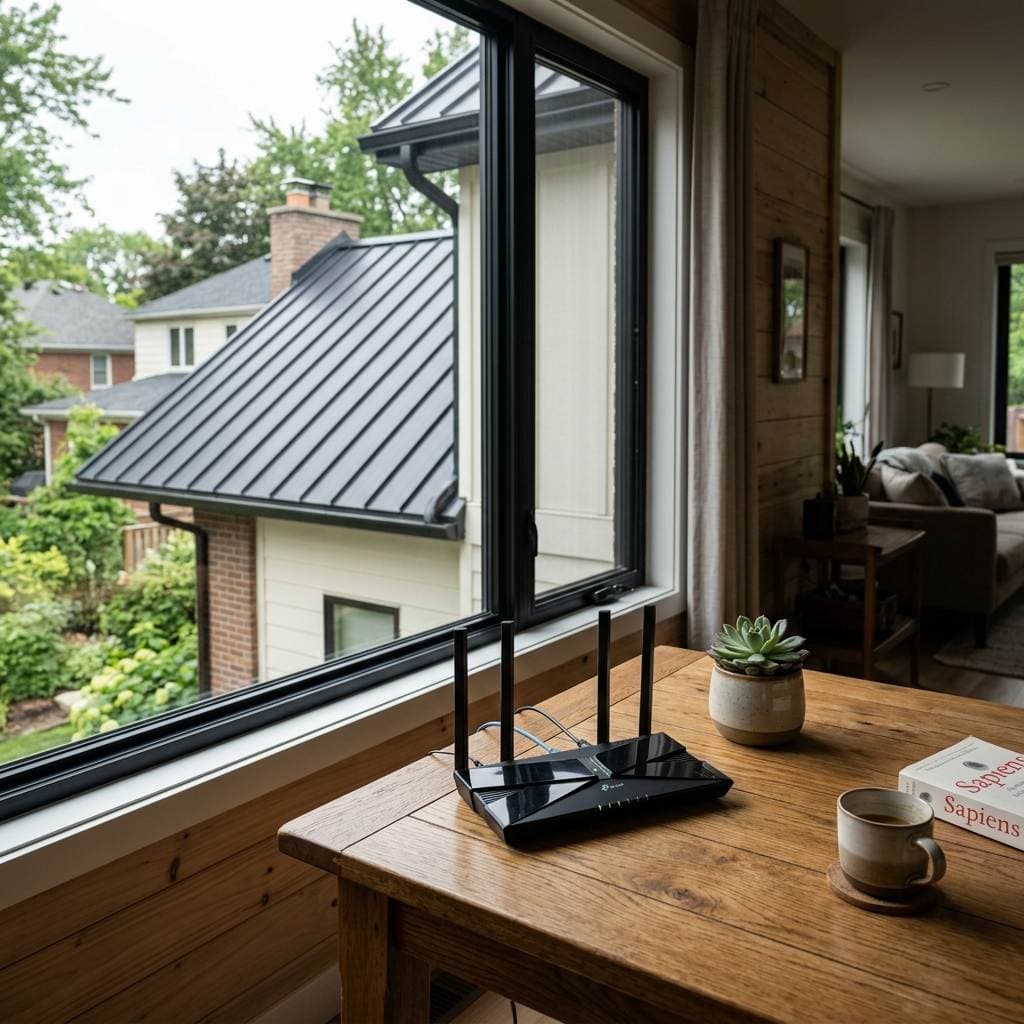
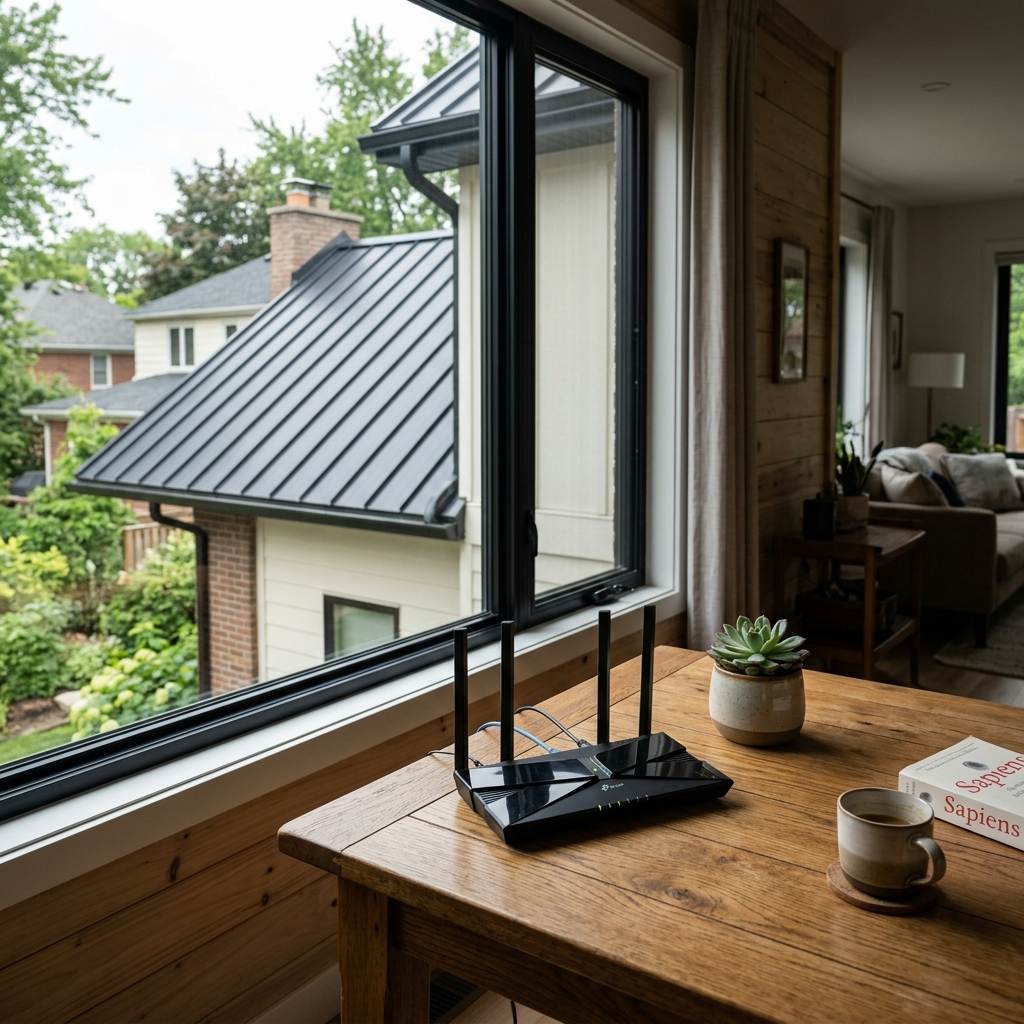
A widespread myth claims a metal canopy ruins your home’s local Wi-Fi network. False. A metal roof does absolutely nothing to block Wi-Fi signals between your rooms. Local wireless networks operate completely inside the building envelope. Your devices talk directly to your router inside the house.
Household routers blast on the 2.4 GHz and 5 GHz frequency bands. They are built for short-range indoor communications. These signals bounce violently off drywall, concrete floors, and wooden doors. They do not travel straight up through the roof into the atmosphere. Want complete coverage? Deploy a mesh network with multiple access points spread across the house. Your router operates underneath the metal roof structure. The signal stays locked inside the living spaces, bouncing off walls to hit your devices. The only time it might drop is if you are standing on a detached backyard patio, where low metal eaves can block the direct line-of-sight propagation.
Solutions for a metal roof with Poor Signal
Experiencing cellular drops after an installation? Simple tech solutions restore full connectivity fast:
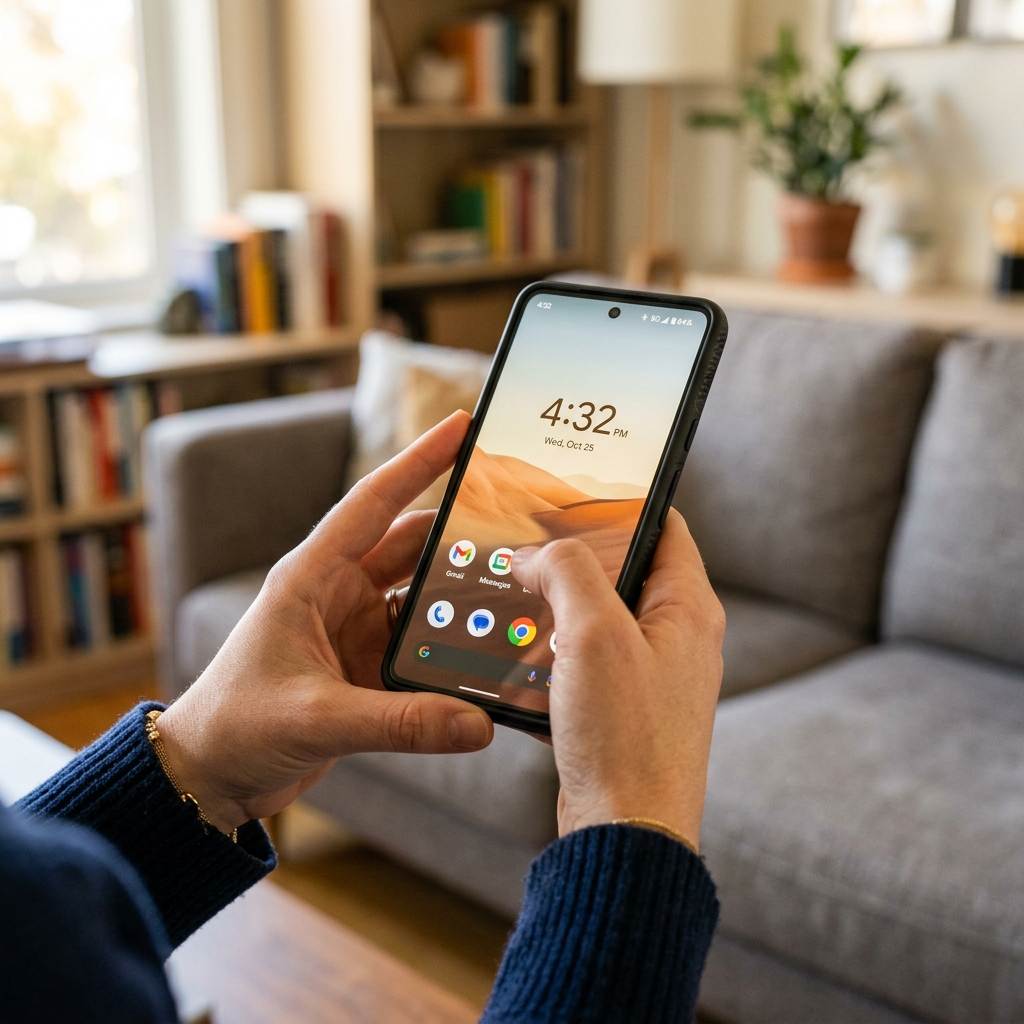
- Enable Wi-Fi Calling: Most modern smartphones route calls and texts right over your home internet. You bypass the cell tower entirely.
- Install a Cell Signal Booster: Mount an outdoor antenna on your chimney to capture weak signals from the tower. It routes them down a coaxial cable to an indoor amplifier. These boosters are incredible at grabbing faint external signals and blasting them inside.
- Upgrade to a Mesh Wi-Fi System: Place mesh nodes throughout your house. They guarantee strong local Wi-Fi coverage everywhere, making Wi-Fi calling rock-solid in every single room.
Selecting the Right System for Your Home
Wireless connectivity matters. But the massive benefits of modern steel systems easily outweigh minor signal trade-offs. Ready to decide? Read the pros and cons of upgrading to a metal roof to compare costs and lifespans.
Follow our detailed guide to metal roof maintenance to keep your panels pristine. Discover exactly why a metal roof is the ultimate protection against Florida's extreme weather, securing your property when hurricane season hits.
Enjoy Reliable Connectivity and Maximum Security
Modern wireless technology makes signal interference a non-issue. You will never have to worry about losing cellular service under normal conditions. The elite energy efficiency and absolute storm resistance of a steel canopy make it a top-tier choice for Florida homes. It delivers long-term protection without sacrificing a bar of connectivity.
Contact us today. Schedule your consultation on upgrading to a metal roof. Our certified team brings material samples, breaks down installation processes, and helps you select a system engineered to outlast the future.
Check the cellular and signal performance of our standing seam installations.
[!TIP] Planning a Roof Replacement? Use our interactive Florida Roof Replacement Cost Calculator to get an instant satellite measurement and pricing estimate for your property.
Local Service Areas & Regional Coverage
Diversified Roofing Solutions delivers certified residential and commercial roofing across South Florida and the Treasure Coast, including Palm Beach County, Martin County, Broward County, and St. Lucie County.