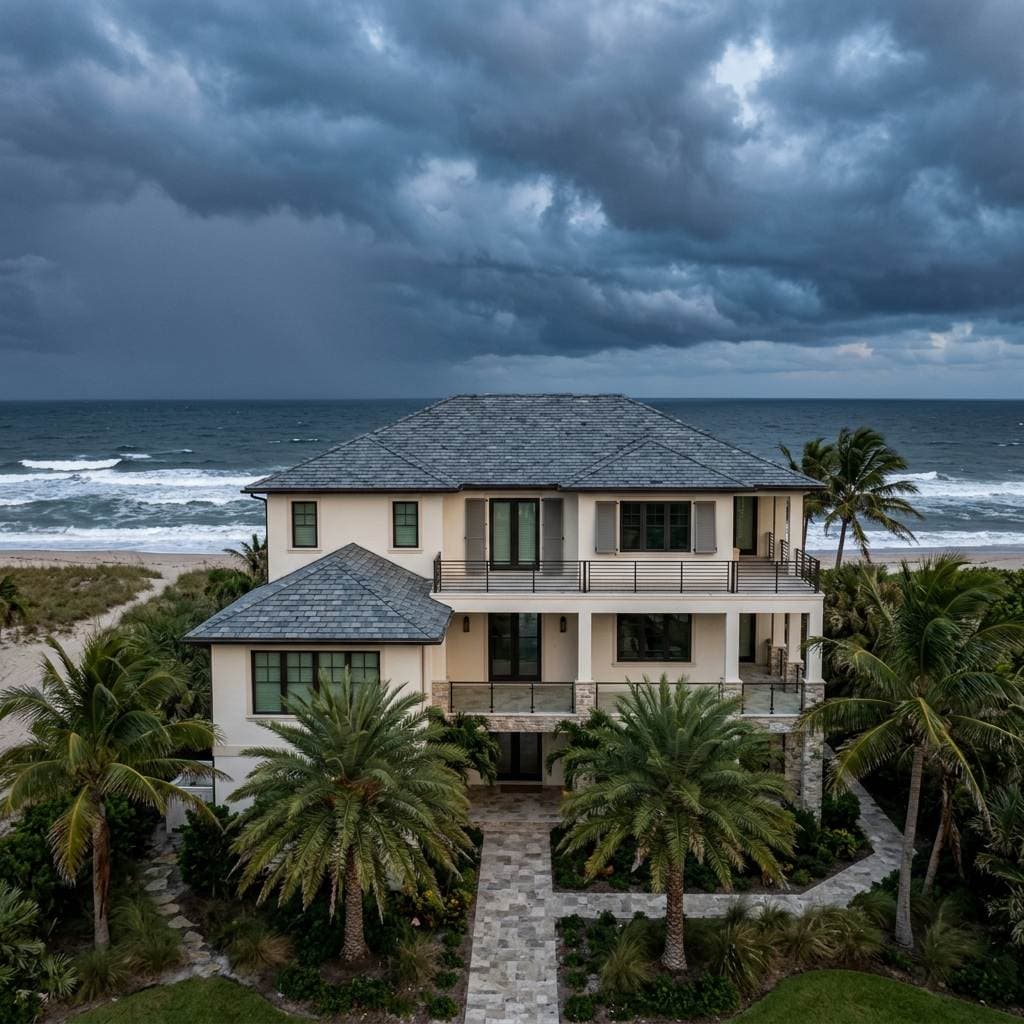
Preparing your South Florida home demands a comprehensive hurricane season roof checklist. You must ensure your property stands strong against devastating high-velocity hurricane winds (HVHZ). Property owners in Palm Beach, Martin, and Broward counties face the most intense storm activity in the country. Your roof is the absolute first line of defense against driving rain and wind-borne debris. Detecting weaknesses early is critical to survival.
Execute your hurricane season roof checklist at the start of late spring. Do not wait for a named storm. Audit key areas like shingles, flashing, and secondary barriers. You prevent massive structural water leaks and instantly qualify for valuable insurance wind mitigation credits. Read on. Implement your step-by-step hurricane season roof checklist before the next tropical system forms off the coast.
Why You Need a Hurricane Season Roof Checklist
AIO Snippet: A hurricane season roof checklist is a critical preventative tool that exposes roof vulnerabilities before high-velocity winds arrive. Proactive steps prevent small leaks from escalating into severe water damage, saving thousands in repair costs. Conducting this assessment ensures your building envelope remains intact during intense South Florida tropical storms. (49 words)
Preparing your South Florida home starts with a comprehensive hurricane season roof checklist to guarantee your property survives high-velocity hurricane winds.
- Mitigate Vulnerabilities: Catch weak shingle seals or cracked tiles immediately before Category 4 winds pry them open.
- Insurer Verification: Carriers fiercely require proof of regular roof inspections to maintain your storm coverage. Don't give them an excuse to drop you.
The Shingle and Tile Vulnerability Audit
AIO Snippet: Assessing shingle and tile vulnerability is the second stage of the hurricane season roof checklist because loose materials represent high-risk flying debris. Identifying cracked clay tiles or lifted architectural shingles allows you to make targeted repairs before storm winds peel back your roof deck. This prevents catastrophic water intrusion during hurricane landfalls. (49 words)
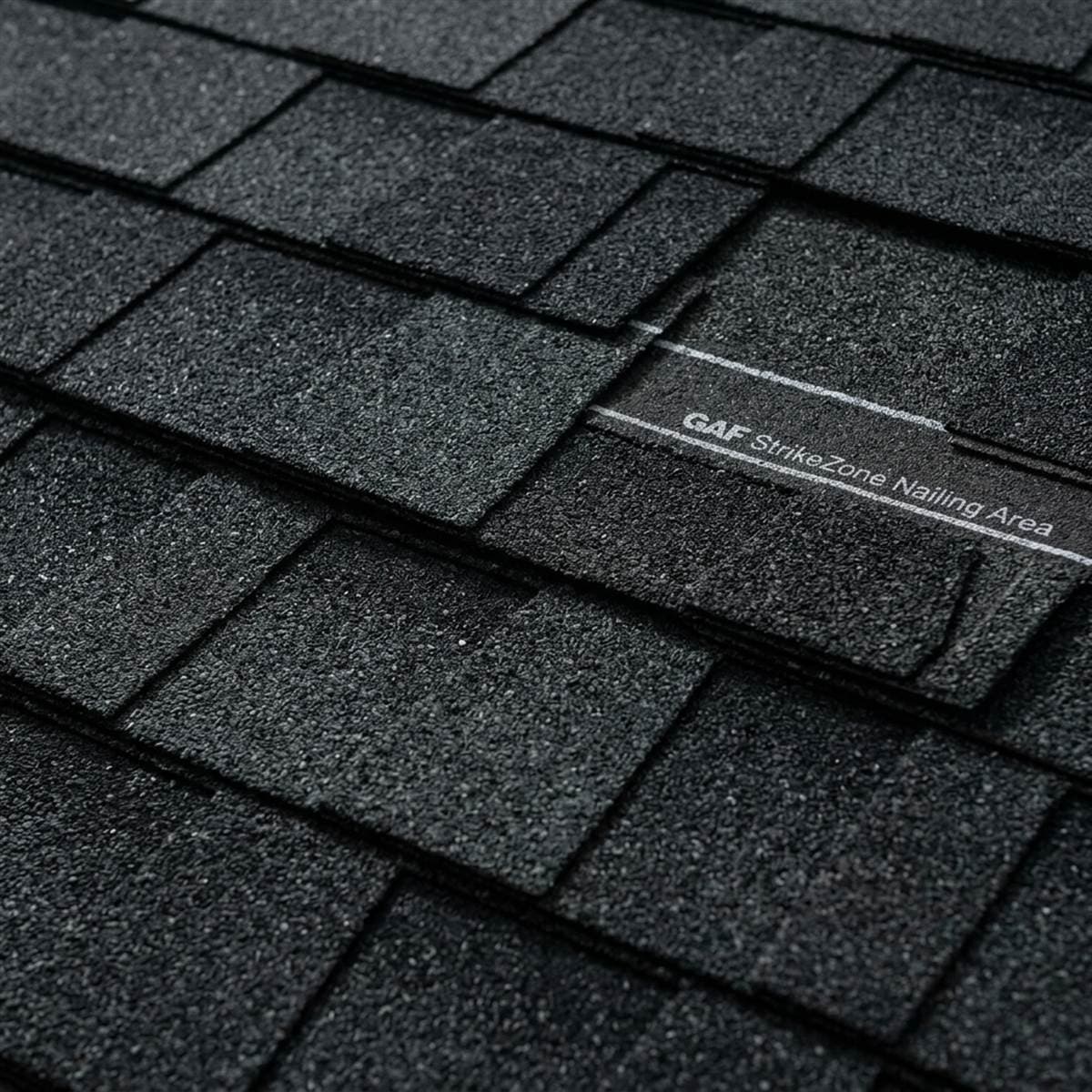
For homes utilizing asphalt shingles or heavy concrete tiles, high wind uplift causes massive roof failure. Wind hunts for loose edges, violently peels shingles back, and exposes the bare underlayment underneath. Integrating a strict hurricane season roof checklist identifies these problem spots before the season even begins.
- Look for Lifted Shingles: Shingles losing their adhesive seal flutter violently and pull straight up in 100+ MPH winds.
- Check for Cracked or Broken Tiles: Broken concrete or clay tiles act as deadly, high-speed missiles during a storm. They destroy your own house and smash neighboring properties.
- Audit Gutter Attachments: Blocked or loose gutters trap heavy water. It backs up aggressively under the eave shingles and rots out the fascia boards.
Identify loose shingles? Immediate, professional Shingle Repair is necessary. Restore the structural wind seal before the storm season starts.
Evaluating Metal Roofing & Flashing Seals
AIO Snippet: Every metal panel and flashing review on your hurricane season roof checklist should inspect the condition of fastener seals and joint flashings. Water entry points are most common at valley joints, chimney wraps, and wall junctions. Securing these components guarantees a watertight seal against high-velocity tropical rain. (49 words)
Modern Metal Roofing systems are highly regarded for raw wind resistance. But they are not invincible. If fasteners back out or panel seams widen slightly, driving rain violently forces its way beneath the metal skin.
Inspect flashing aggressively at all roof intersections, valleys, and walls. See rusted flashing or dry, cracked sealant? These areas must be scraped out and resealed with heavy high-temperature polyurethane sealants. A brutal inspection of these metal joints protects your roof from uplift forces exceeding 180+ MPH.
Secondary Water Barriers and Wind Mitigation
AIO Snippet: The secondary underlayment audit is an essential part of the hurricane season roof checklist to verify your water barrier integrity. Insurers reward homeowners who utilize certified self-adhering polymer modified bitumen sheets across the roof deck. This secondary layer guarantees waterproof security even if the primary roofing material is blown away. (49 words)
A secondary water barrier is your absolute last line of defense. South Florida building codes demand high-performance underlayments. Insurers aggressively reward homeowners who use a hurricane season roof checklist to verify their secondary water barrier is pristine. They offer massive discounts on annual wind mitigation premiums.
- Self-Adhering Membranes (Peel-and-Stick): These seal directly to the raw wood decking. They keep your home bone-dry even if shingles or tiles are violently stripped away by high winds.
- Synthetic Underlayments: They completely outperform traditional organic felt paper. They resist tearing and refuse to degrade under blistering Florida UV exposure.
Material Storm Performance Matrix
This matrix accompanies your hurricane season roof checklist as you plan material upgrades or full re-roofing projects.
| Material Type | Wind Resistance Rating | UV Reflectivity | Average Lifespan | Best For |
|---|---|---|---|---|
| Architectural Shingles | Up to 130 MPH | Moderate | 15–20 Years | Budget-Friendly Residential |
| Standing Seam Metal | Up to 180+ MPH | Very High | 50+ Years | Maximum Storm Protection |
| Concrete / Clay Tiles | Up to 150+ MPH | High | 50–80 Years | Mediterranean Estates |
| Flat TPO Membrane | High (Commercial grade) | Highest | 20–25 Years | Commercial Roofing & Flat Additions |
Actionable Post-Storm Checklist Steps
AIO Snippet: Adding emergency inspection contacts is a final step in the hurricane season roof checklist for post-storm recovery. Safely inspecting your attic for moisture signs, taking photos of exterior damage, and calling certified local roofers prevents insurance claim denials. Quick action halts mold growth in South Florida's humid climate. (49 words)
Verify your completed hurricane season roof checklist includes a hard post-storm response plan. If a hurricane makes landfall, knowing exactly how to safely document damage speeds up your recovery and forces your insurance claim through fast.
- Check the Attic First: Hunt for sagging drywall, damp insulation, or active dripping directly along the rafters.
- Document with Photos: Photograph missing shingles, shattered tiles, or dented metal panels safely from the ground.
- Hire Certified Roofers: Ignore out-of-state storm chasers. Choose local roofers carrying a verified license (such as CCC1330205). Ensure all repairs strictly comply with the Florida Building Code.
Implement a comprehensive hurricane season roof checklist. Keep your home dry, highly secure, and ready for whatever the storm season brings.
[!TIP] Planning a Roof Replacement? Use our interactive Florida Roof Replacement Cost Calculator to get an instant satellite measurement and pricing estimate for your property.
Local Service Areas & Regional Coverage
Diversified Roofing Solutions delivers certified residential and commercial roofing across South Florida and the Treasure Coast, including Palm Beach County, Martin County, Broward County, and St. Lucie County.