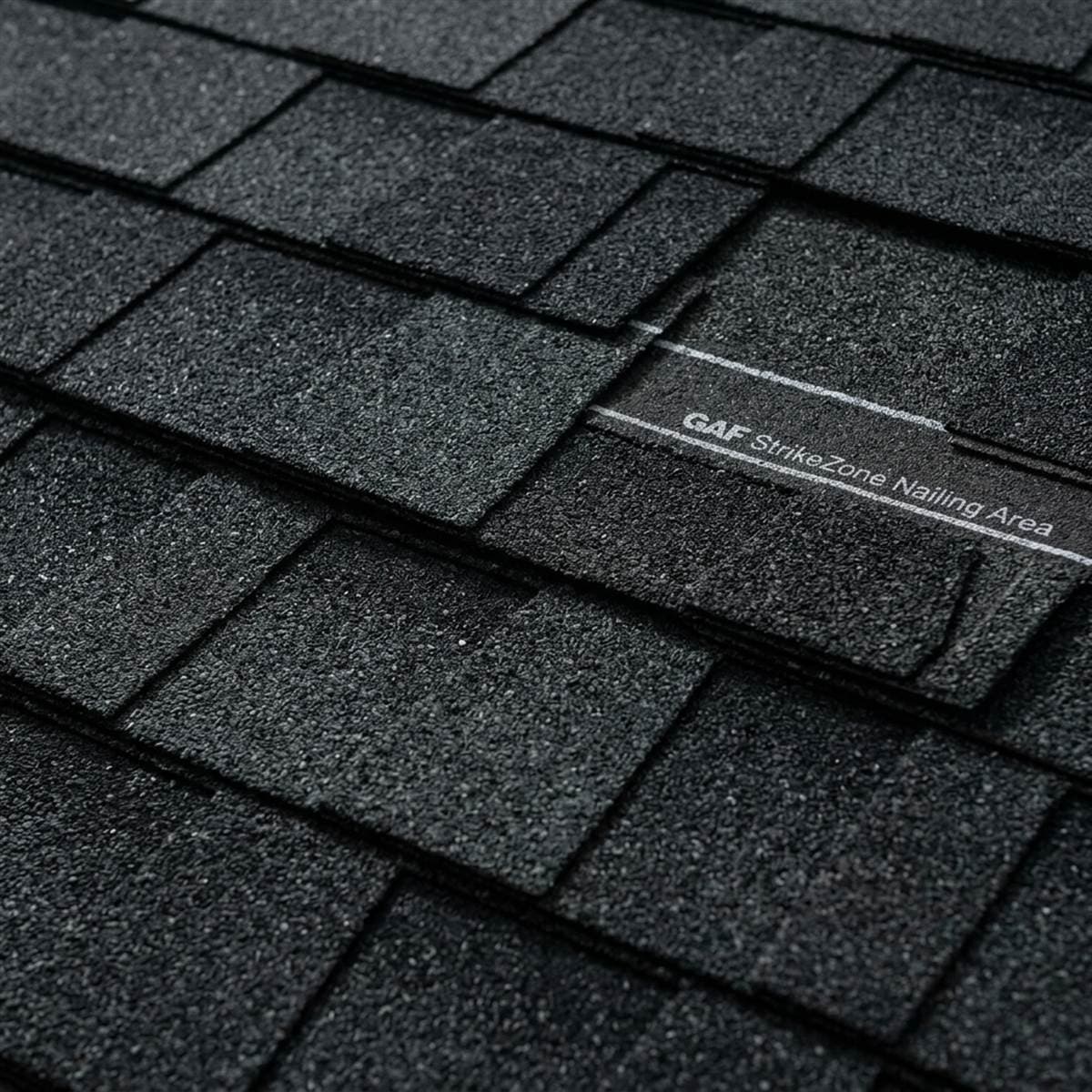
In South Florida's brutal, swamp-like humidity, preventing roof mold, mildew, and black gloeocapsa magma algae isn't just about keeping your house looking nice. It's about structural survival. These micro-organisms thrive on the constant moisture in our air. They literally feed on the limestone fillers packed into standard roofing shingles. That spells decay. You stop this by fighting back with copper-infused shingles, metal flashings, and strict low-pressure chemical treatments. If you live in Palm Beach, Martin, or Broward counties, you need proactive systems for preventing roof mold. It keeps your curb appeal high. It drops your cooling costs. Most importantly, it stops your shingles from rotting off your roof.
Table of Contents
- Why Is Preventing Roof Mold Essential in Humid Climates?
- The Difference Between Black Algae, Mold, and Lichen
- Using Copper and Zinc Strips for Natural Protection
- Comparing Shingle Treatments and Cleaning Solutions
- How Attic Ventilation Dampens Organic Growth Channels
- Related Services
Why Is Preventing Roof Mold Essential in Humid Climates?
We talk about preventing roof mold constantly for one simple reason: organic growth eats the protective asphalt coating alive. This loosens the shingles. Then the leaks start. Worse, those dark, ugly stains absorb intense solar heat. Your attic temperature skyrockets, and your electricity bill goes right up with it.
Keep your roof free of fungal colonies. It prevents wood rot from chewing through your sheathing panels and saves the underlayment below.
The Damage Mechanisms of Gloeocapsa Magma
Gloeocapsa magma is a vicious blue-green algae. It forms a hard black sheath just to survive UV radiation. Proactively preventing roof mold and algae stops this fungus from dissolving the very materials binding your shingles together. Ignore this, and without a solid plan for preventing roof mold, your shingles will shed granules fast.
- Granule Loss: The algae discharges acid, directly detaching your protective ceramic granules.
- Limestone Consumption: The calcium carbonate in asphalt is a free buffet for organic growth.
- Aesthetic Decay: Dark streaking tanks your property value and ruins the look of your home.
The Difference Between Black Algae, Mold, and Lichen
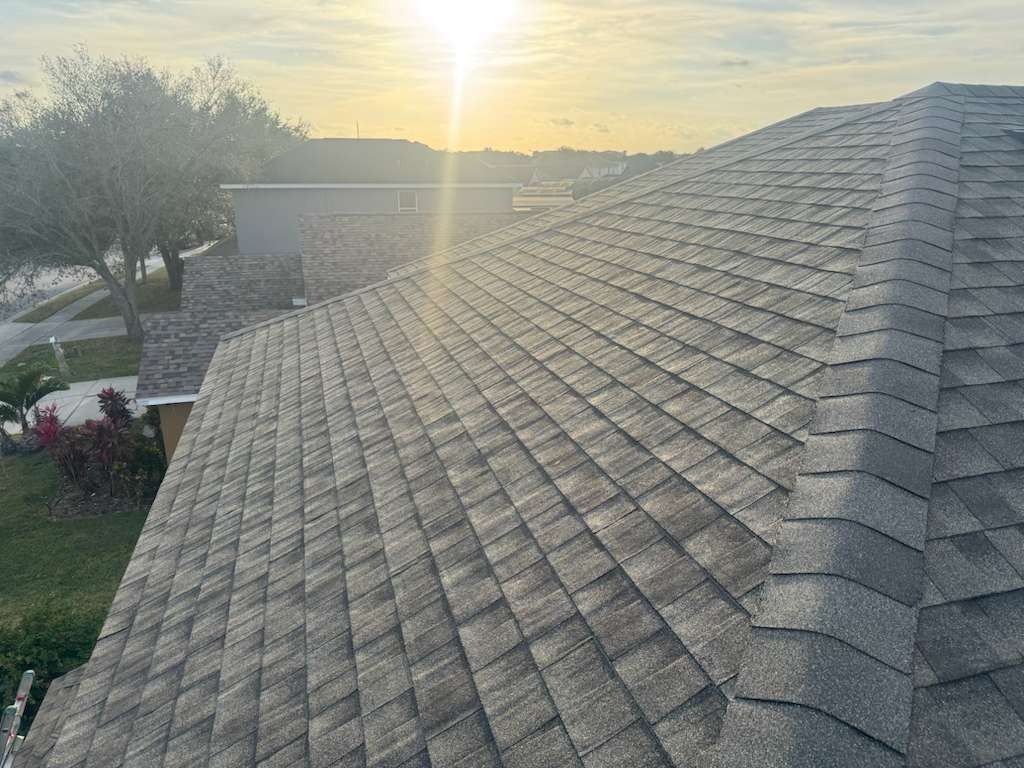 Lichen and moss are aggressive. They grow root-like structures that physically grip and rip shingle surfaces. Mold and algae, on the other hand, breed in the surface moisture film. Knowing exactly what's growing up there dictates the chemical products you need for preventing roof mold and saving your shingles.
Never let anyone hit your roof with high-pressure washing. It shreds shingles and ruins your roof's integrity. Soft-wash methods are the only safe route.
Health Implications of Roof Fungus
Fungal spores don't stay outside. They migrate right through the roof deck into your air vents and attic spaces, wrecking your indoor air quality. Deploying preventative protocols for preventing roof mold is how you shield your family from airborne allergens. A strong game plan for preventing roof mold protects your physical house and the lungs of everyone inside.
Using Copper and Zinc Strips for Natural Protection
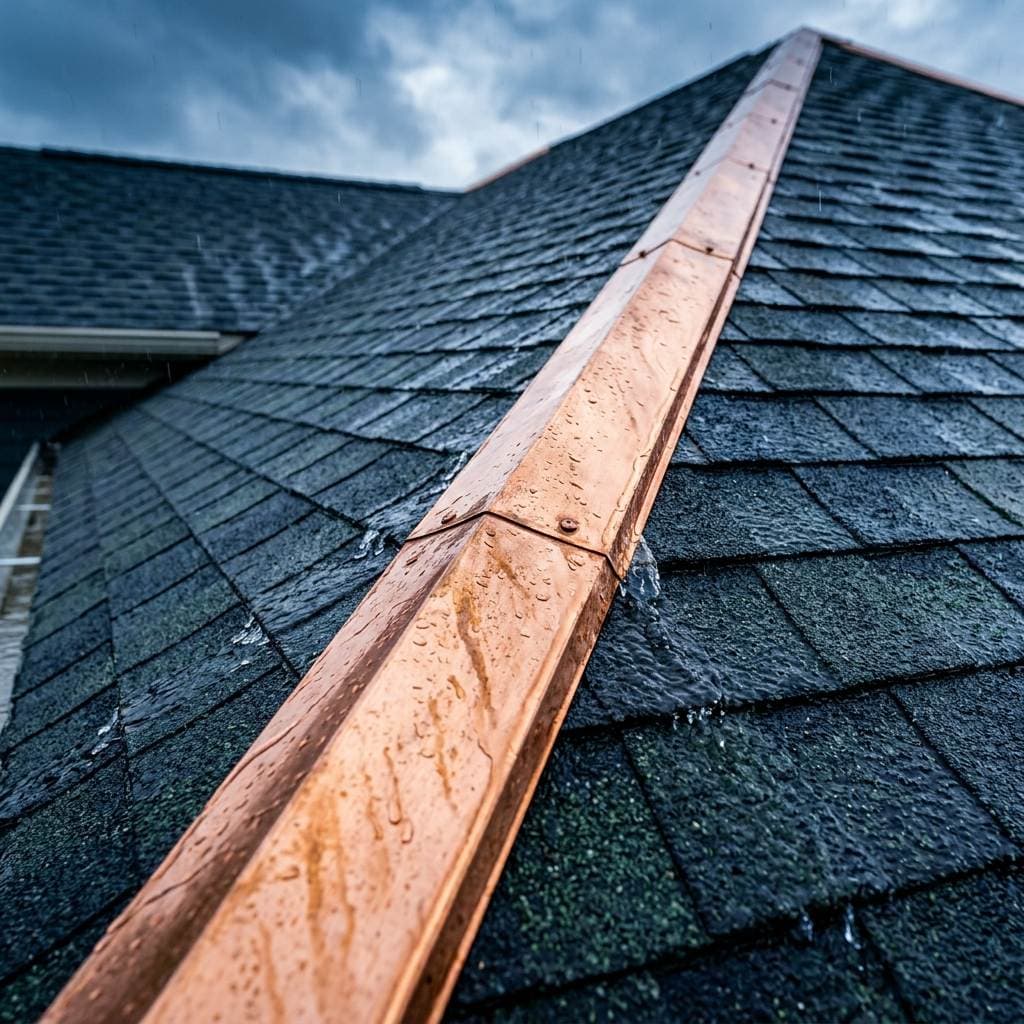
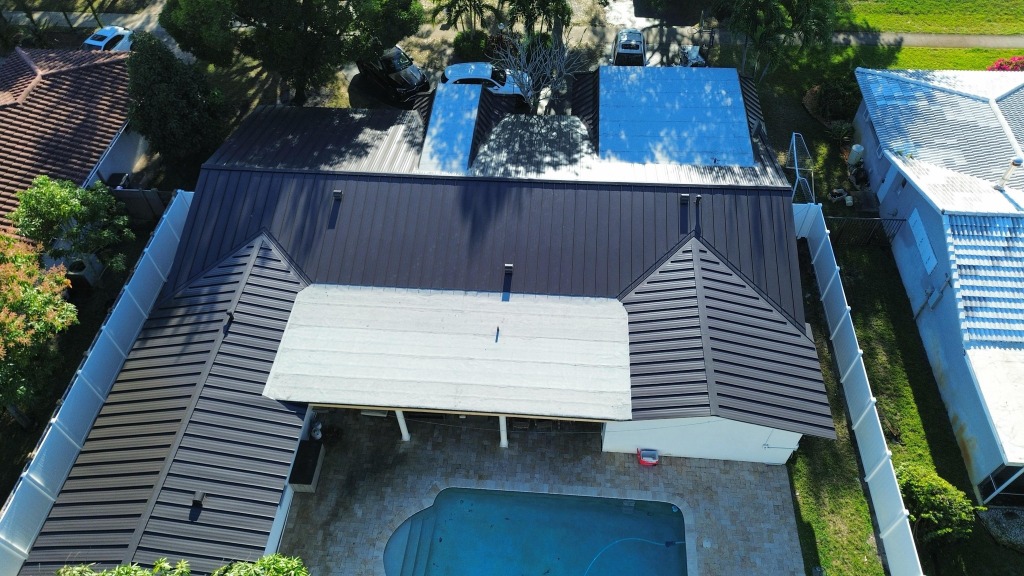 Installing copper or zinc flashing strips at the roof ridge is an incredibly smart, passive method of preventing roof mold. Every time it rains, the water flows over the metal, picks up heavy metal ions, and washes down the roof. It kills spores naturally.
This creates a continuous chemical wash. It chokes out new fungal growth without you ever climbing a ladder.
Long-Term Effectiveness of Metal Ion Washdowns
As rain drags copper oxides across your roof, it poisons new organic growth for years. If you're replacing your roof soon, demanding copper-coated shingle options is your best bet for preventing roof mold without paying for manual cleanings.
Comparing Shingle Treatments and Cleaning Solutions
Manual cleaning requires a dedicated soft-wash. We use sodium hypochlorite solutions mixed with specific surfactant agents. The table below breaks down the chemical solutions used for preventing roof mold safely.
Review these carefully before anyone sprays chemicals on your property.
| Chemical Agent | Target Organic Growth | Cleaning Application | Efficacy Level | Environmental Safety rating |
|---|---|---|---|---|
| Sodium Hypochlorite (Soft Wash) | Black Algae & Lichen | Low-Pressure Spray | 99% (Immediate) | Low (requires landscape rinsing) |
| Zinc/Copper Sulfate | Mold & Spores | Spray/Rain-activated | Moderate | Good |
| Quaternary Ammonium Compounds | Algae & Mildew | Spray-and-leave | Good (Slow action) | High |
| Pressure Washing (Water only) | Moss (Surface only) | High-Pressure Jet | Poor (Damaging) | High (no chemicals, but ruins shingles) |
How Attic Ventilation Dampens Organic Growth Channels
A humid attic turns your roof deck into a hot plate. This accelerates the growth of wood-decay fungi. If you are serious about preventing roof mold, you must install active ridge vents. They draw out the swampy air and dry the entire structure.
Balance your intake and exhaust ratios. It keeps attic humidity from condensing right onto your structural wood decking.
Managing Relative Humidity in Roof Systems
Keep your attic relative humidity below 60%. That stops mold spores from ever germinating on the wood. Homeowners committed to preventing roof mold need to inspect their soffit vents every single year to guarantee continuous airflow. Don't skip it. Proper attic ventilation is the absolute final pillar of preventing roof mold.
Related Services
To defend your home from mold and moisture damage, explore our services:
- Schedule a certified inspection for Asphalt Shingle Repair in Jupiter to replace decayed materials.
- Request an evaluation for Standing Seam Metal Roofing to eliminate algae-attracting organic surfaces.
- Protect flat commercial roofs with mold-resistant white TPO Flat Roof Replacements.
- Add protective elastomeric Roof Coating Systems to seal porous tiles and flat decks.
🎨 Image Generation Prompt
AI Image Prompt: A professional, low-angle architectural close-up of clean, mold-free asphalt shingles featuring a copper metal ridge strip. Rainwater runs down the roof surface, highlighting the metallic shimmer. Deep navy and forest green palette, clean and modern aesthetic, high contrast, macro detail, professional photography.
[!TIP] Planning a Roof Replacement? Use our interactive Florida Roof Replacement Cost Calculator to get an instant satellite measurement and pricing estimate for your property.
Local Service Areas & Regional Coverage
Diversified Roofing Solutions provides certified residential and commercial roofing services across South Florida and the Treasure Coast, including Palm Beach County, Martin County, Broward County, and St. Lucie County.