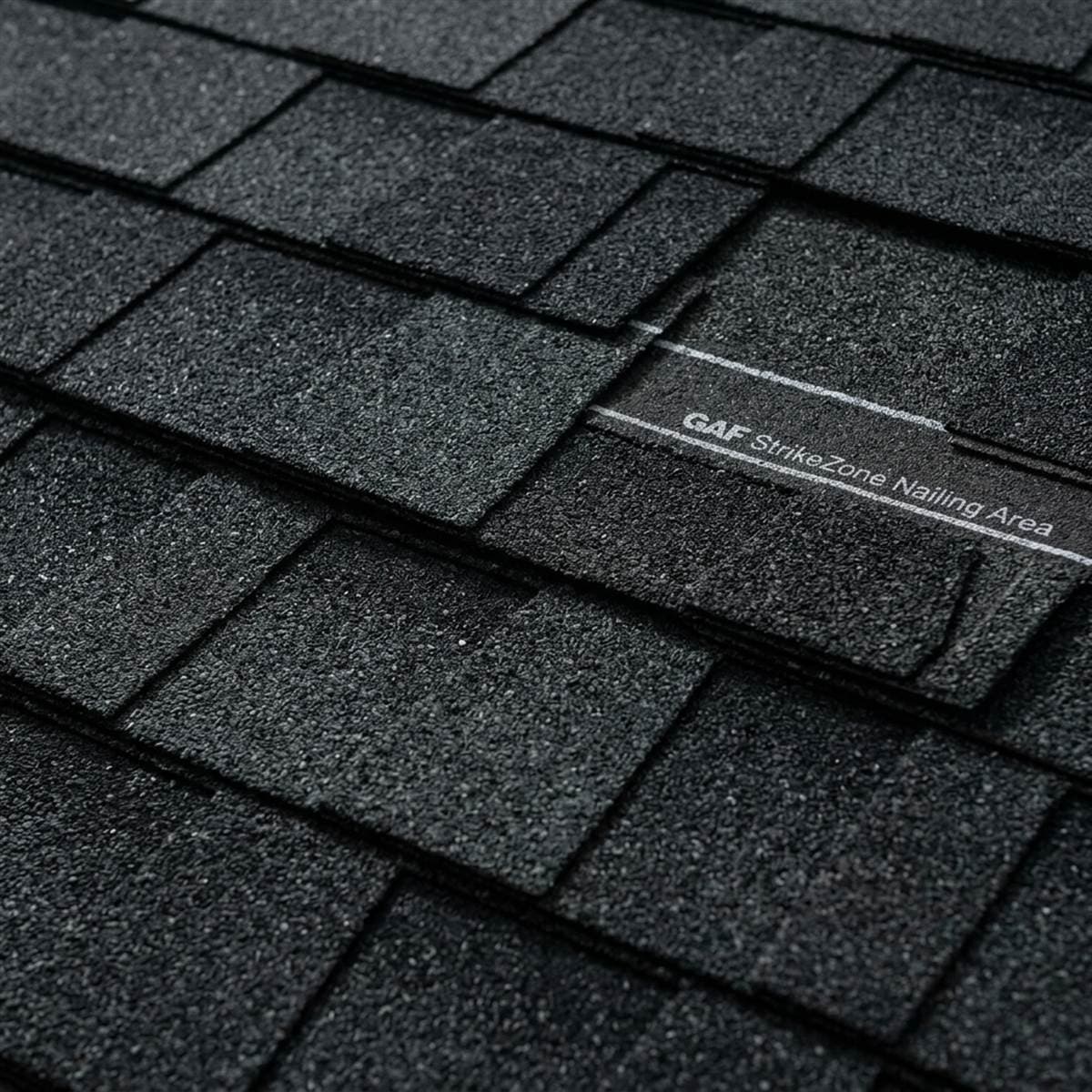
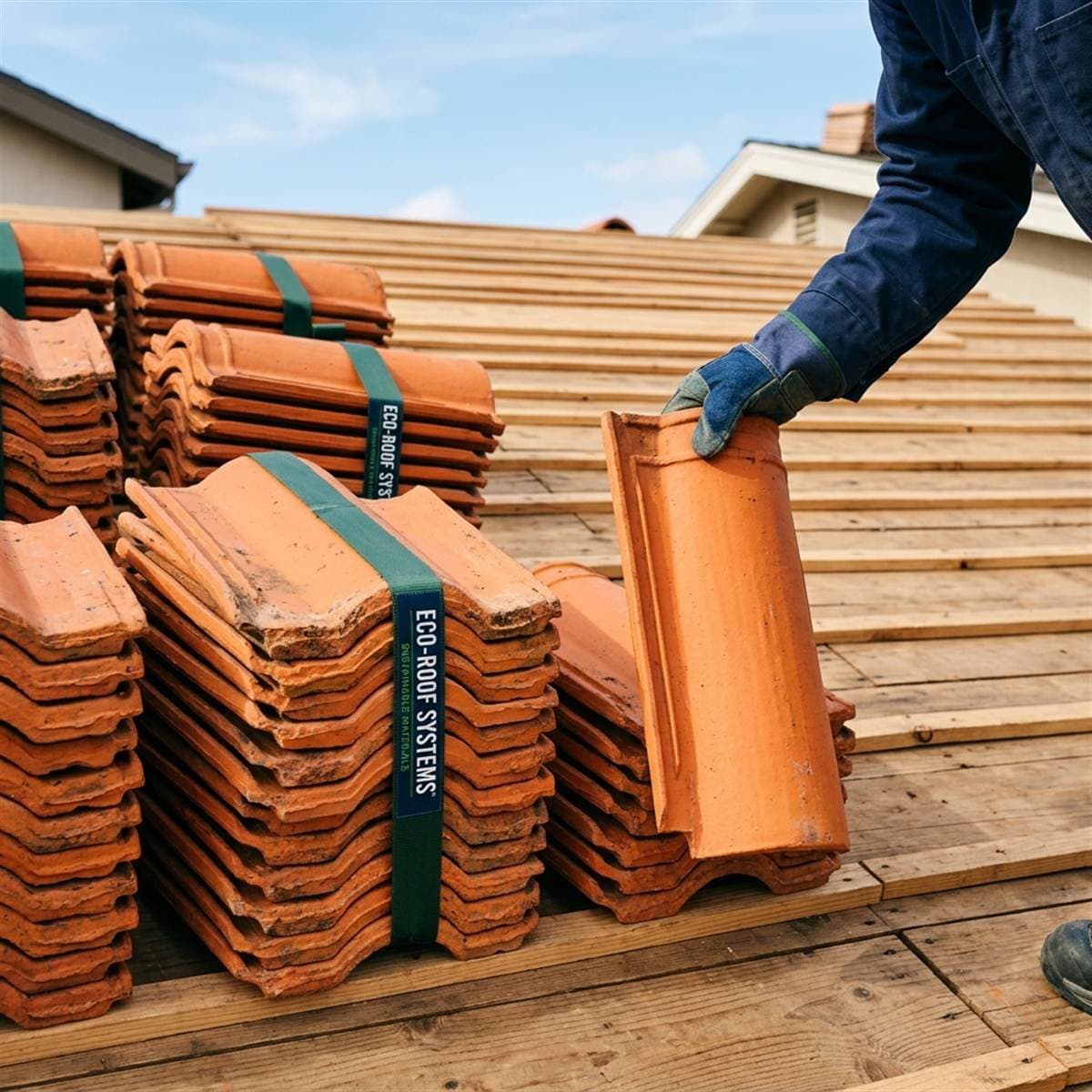
Executing a professional tile roof lift and relay is one of the smartest ways to restore your roof. You reuse your high-quality clay tiles. You replace the failed underlayment underneath. Simple. Because heavy clay barrel tiles can easily last 80 years, the cheap underlying felt paper rots out decades before the tiles themselves fail. During a tile roof lift and relay project, our crews carefully strip, stack, and preserve your original tiles. We lock down a new high-temp secondary water barrier, then reset the original tiles. For homeowners across Palm Beach, Martin, and Broward counties, a tile roof lift and relay preserves that historic Mediterranean aesthetic and saves thousands in unnecessary material costs.
Table of Contents
- What Is a Tile Roof Lift and Relay?
- When Can You Safely Reuse Original Clay Tiles?
- Replacing the Underlayment and Secondary Water Barrier
- Financial Analysis: Lift-and-Relay vs. Complete Replacement
- Nailing and Adhesive Foam Code Requirements
- Related Services
What Is a Tile Roof Lift and Relay?
A tile roof lift and relay project tackles a hard truth: underlayment felt fails much faster than structural clay or concrete tiles. In South Florida's brutal UV climate, the constant expansion and contraction of tile decks bakes the underlayment. It dries out. It cracks. It leaks.
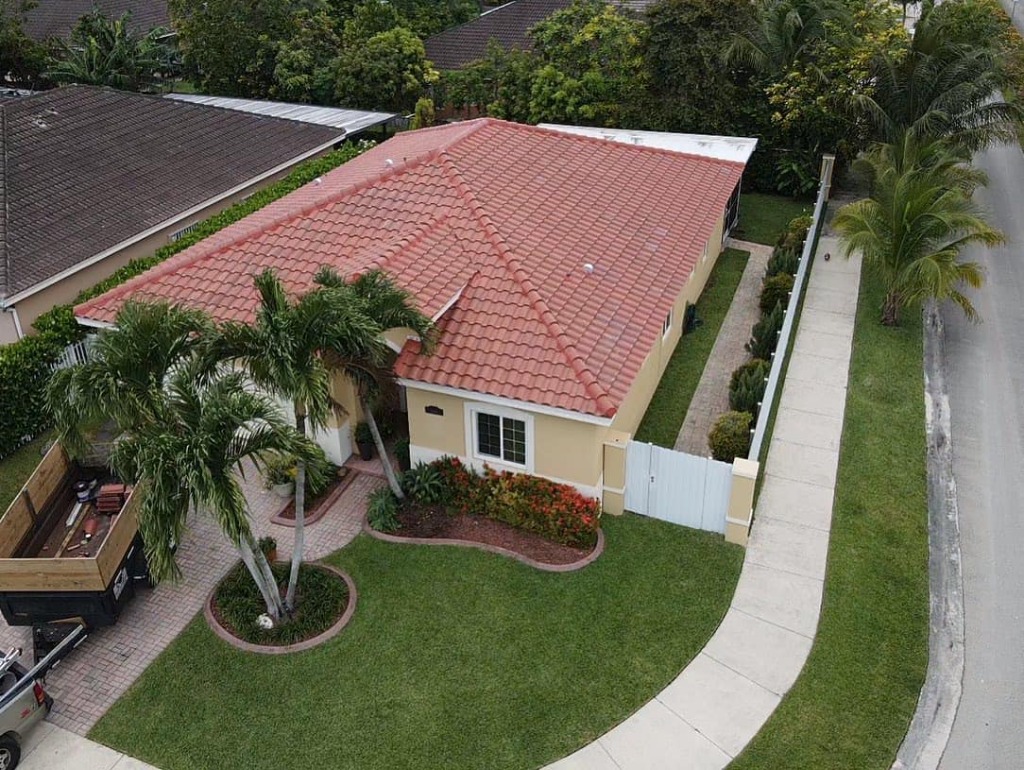
By carefully lifting the tiles first, our crews inspect the structural decking. We cut out rotted plywood, lock down a modern peel-and-stick underlayment, and skip the massive expense of buying brand-new tiles.
The Steps of a Lift-and-Relay System
The process kicks off by pulling the valley, ridge, and field tiles. We stack these tiles directly on the roof trusses to distribute the massive weight and prevent structural damage. This preps the naked deck for a proper tile roof lift and relay installation.
- Tile Removal: Carefully detach each tile using manual pry bars to prevent breakage.
- Deck Preparation: Remove nails, repair rotted plywood sheathing, and clean the deck surface.
- Waterproof Underlayment: Install a premium self-adhering secondary water barrier.
When Can You Safely Reuse Original Clay Tiles?
Not every aging roof qualifies for a tile roof lift and relay. Our technicians inspect the tiles for deep physical cracking, structural spalling, and fastener tear-out. High-quality kiln-fired clay tiles are perfect candidates. Cheap concrete tiles? They often degrade and crumble when you pry them up.
Traditional clay tiles laugh at UV aging. They were fired in kilns at massive temperatures, making them perfect for reuse.
Checking Tile Structural Integrity
If more than 20% of your tiles snap during removal, a tile roof lift and relay becomes a massive headache due to matching issues. When this happens, we source salvaged matching tiles from bone yards to replace the broken pieces perfectly.
Replacing the Underlayment and Secondary Water Barrier
The beating heart of any tile roof lift and relay is the new underlayment system. Under modern Florida building codes, we don't mess around with cheap felt. We apply a heavy-duty, self-adhering modified bitumen membrane directly to the bare plywood deck.
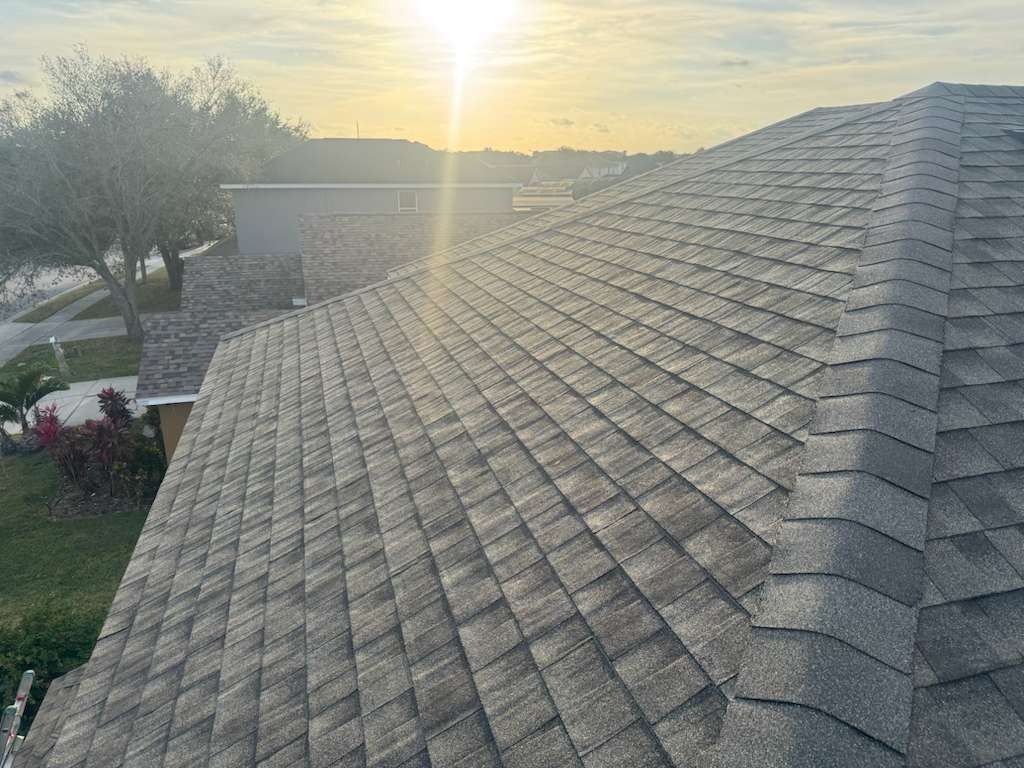
This high-temp rubberized membrane tightly seals around fasteners. It stops water dead in its tracks, even if tropical storm winds shift your tiles.
Self-Adhering Waterproof Membranes
Rolling out a high-temperature self-adhering membrane during a tile roof lift and relay prevents water intrusion around tile fasteners. This secondary barrier guarantees hardcore leak protection, period.
Financial Analysis: Lift-and-Relay vs. Complete Replacement
Opting for a tile roof lift and relay saves you massive capital. Why? You aren't buying 3,000 square feet of brand-new clay tiles. The comparison below breaks down the hard costs and lifespans of both restoration and full replacement paths.
Review these metrics before you sign a contract for your residential roofing project.
| Restoration Parameter | Tile Roof Lift-and-Relay System | Complete Clay Tile Replacement | Complete Architectural Shingle Replacement |
|---|---|---|---|
| Material Expense | Zero (Reuses clay tiles) | High ($10,000 - $18,000 extra) | Moderate |
| Labor Cost | High (delicate removal & stacking) | Moderate | Low |
| Expected Lifespan | 25 - 30 Years (Underlayment life) | 50 - 80 Years | 15 - 20 Years |
| Permitting Requirements | Yes (requires inspection) | Yes (requires full permit) | Yes |
| Wind Uplift Rating | Up to 150 MPH | Up to 150 MPH | Up to 130 MPH |
Nailing and Adhesive Foam Code Requirements
Modern building codes don't play around with wind loads. When we reset your tiles during a tile roof lift and relay, we use specialized two-part polyurethane adhesive foam and corrosion-resistant screws to anchor every single piece.
Older systems relied on sloppy mortar or standard steel nails. Those rust out, crack, and fail when a Category 3 hurricane hits.
Securing Wind Mitigation Ratings
A strict final wind inspection verifies our deck fastening and tile attachment methods. Guaranteeing code compliance during a tile roof lift and relay qualifies your home for maximum wind mitigation insurance credits. This upgrade protects your South Florida home for another 25 to 30 years.
Related Services
To explore heavy-duty, code-compliant tile roof options, check out our hubs:
- Schedule a consultation for certified Clay and Concrete Tile Roofing.
- Request inspections for high-wind Asphalt Shingle Roofing.
- Inquire about custom wind-rated Standing Seam Metal Roofing.
- Extend commercial flat roof lifespans using Silicone Roof Coatings.
[!TIP] Planning a Roof Replacement? Use our interactive Florida Roof Replacement Cost Calculator to get an instant satellite measurement and pricing estimate for your property.
Local Service Areas & Regional Coverage
Diversified Roofing Solutions provides certified residential and commercial roofing services across South Florida and the Treasure Coast, including Palm Beach County, Martin County, Broward County, and St. Lucie County.