When you build a roof in South Florida, you build it to survive a hurricane. Choosing certified wind resistant asphalt shingles is the only way to protect your property. The Florida Building Code dictates strict, unforgiving wind-resistance guidelines for coastal zones like Jupiter, Stuart, and Delray Beach. If your materials or nail patterns fail these specs, the next tropical storm will rip your shingles off, blow water into your living room, and destroy your home's structural integrity.
Let's tear down the engineering behind modern architectural shingles. We'll show you exactly how proper fastening patterns and hardcore thermal sealants create wind resistant asphalt shingles capable of taking a direct hit from a Category-4 storm.
The Engineering Behind Wind Resistant Asphalt Shingles
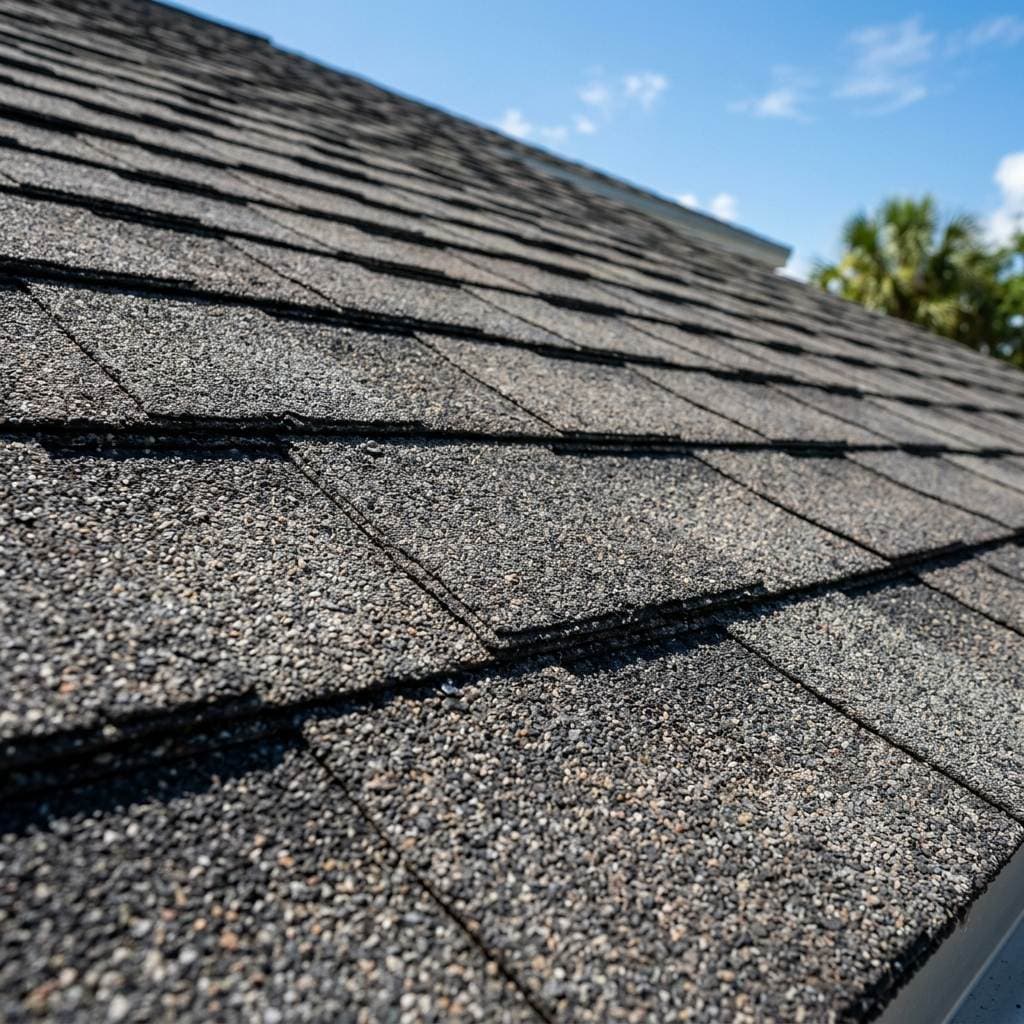
Standard three-tab shingles are a joke in high-wind zones. They lift and snap when winds hit 70 MPH. Architectural (laminated) shingles are different. They fuse multiple layers of fiberglass mat with polymer-modified asphalt. That heavy, dual-layer structure adds massive weight and rigidity, allowing them to crush high wind loads.
To qualify as wind resistant asphalt shingles under local Florida codes, products must meet two industry-standard test criteria:
- ASTM D7158 Class H: The highest resistance rating, certifying the shingle can withstand uplift winds up to 150 MPH.
- ASTM D3161 Class F: Certifies that the shingle remains intact under continuous 110 MPH wind cycles.
- Thermal Seal Strips: Specially formulated asphalt seal lines that bond shingles together when activated by warm sunshine.
3 Nailing Rules for Maximum Wind Resistance
Even a Class H rated shingle will blow off if the contractor cuts corners. The fastening pattern dictates everything when deploying wind resistant asphalt shingles:
1. High-Wind 6-Nail Fastening Pattern
Standard shingles take four nails. In Florida, that is a recipe for disaster. To secure massive wind warranties, our crews deploy a strict 6-nail pattern on every single shingle. We drive those nails directly through the common bond line where the layers overlap to lock the material down.
2. Standard 8d Ring-Shank Nails
You can't use cheap smooth-shank nails. They pull right out. We drive 8d ring-shank nails straight and flush into the plywood. The rings bite into the wood deck sheathing, delivering massive pull-out resistance when the wind tries to peel the roof back.
3. Hand-Sealing Perimeters
The edges take the hardest hit during a hurricane. We manually trowel asphalt roofing cement under the shingles along the eaves, rakes, and hips. This aggressive hand-sealing stops wind from grabbing the edge and ripping the entire slope apart.
Interlinking Your Roofing Knowledge
Building a fortress starts with the right crew and the right materials. See how shingles stack up against heavy steel in our metal roof vs shingles cost comparison. Want the insurance companies to pay you back? Read exactly how to qualify for insurance wind mitigation credits to slash your premiums.
Check out our residential shingle roofing services or call Diversified Roofing Solutions today to get a veteran superintendent on your roof.
[!TIP] Planning a Roof Replacement? Use our interactive Florida Roof Replacement Cost Calculator to get an instant satellite measurement and pricing estimate for your property.
Local Service Areas & Regional Coverage
Diversified Roofing Solutions provides certified residential and commercial roofing services across South Florida and the Treasure Coast, including Palm Beach County, Martin County, Broward County, and St. Lucie County.
The Anatomy of High-Wind Architectural Shingles
To understand why modern wind-resistant asphalt shingles perform so well in South Florida's hurricane zones, one must examine the advanced engineering and material science hidden within their construction. Today's high-performance architectural shingles are vastly superior to the basic 3-tab shingles of the past, featuring multi-layered dimensional designs that are specifically optimized for extreme aerodynamic stress and intense tropical storms.
Advanced Adhesive Sealant Strips
The real defense mechanism of a wind-resistant shingle is the thermal adhesive strip. It's packed with a proprietary, high-strength modified asphalt. When the brutal Florida sun hits your roof, it activates the sealant, aggressively melting the overlapping shingles together into one solid shield. Premium shingles built for the High-Velocity Hurricane Zone (HVHZ) feature massive adhesive bands designed to cure fast and fight off 130+ mph wind uplift.
Nailing Zones and Tear Resistance
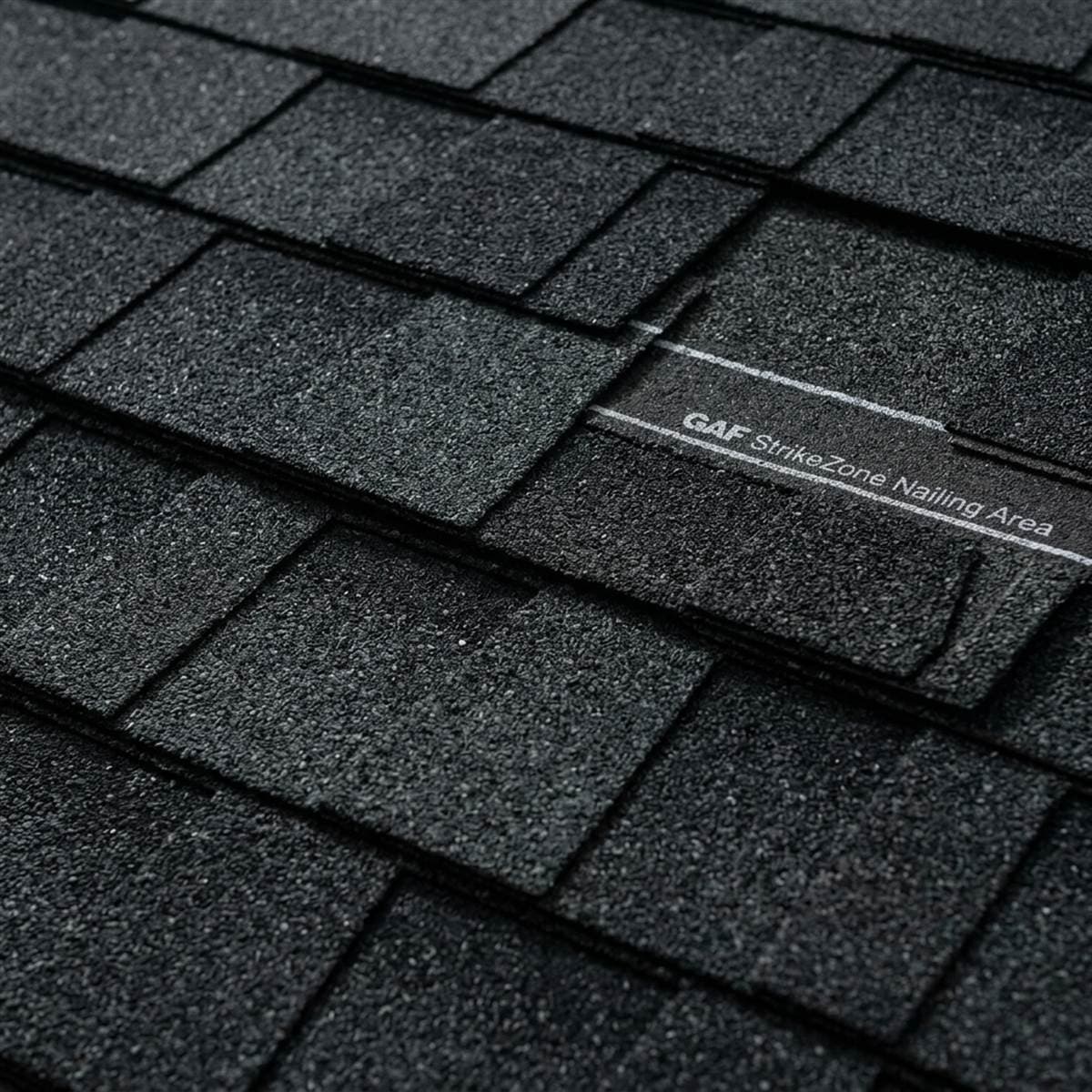
The best adhesive in the world fails if the shingle rips off the nails. Manufacturers solved this by engineering ultra-durable nailing zones reinforced with woven fiberglass mats or heavy polymer tapes (like the SureNail® strip). This creates a brutal anchor point for the roofing nail, stopping the nail head from slicing through the shingle during a hurricane (nail pull-through).
The sheer mass and thickness of an architectural shingle keeps it locked down. By stacking multiple layers of asphalt and dense ceramic granules, the material lies flat and refuses to lift. When our crews nail these down using strict six-nail patterns, these systems deliver hardcore security when the storm sirens go off.