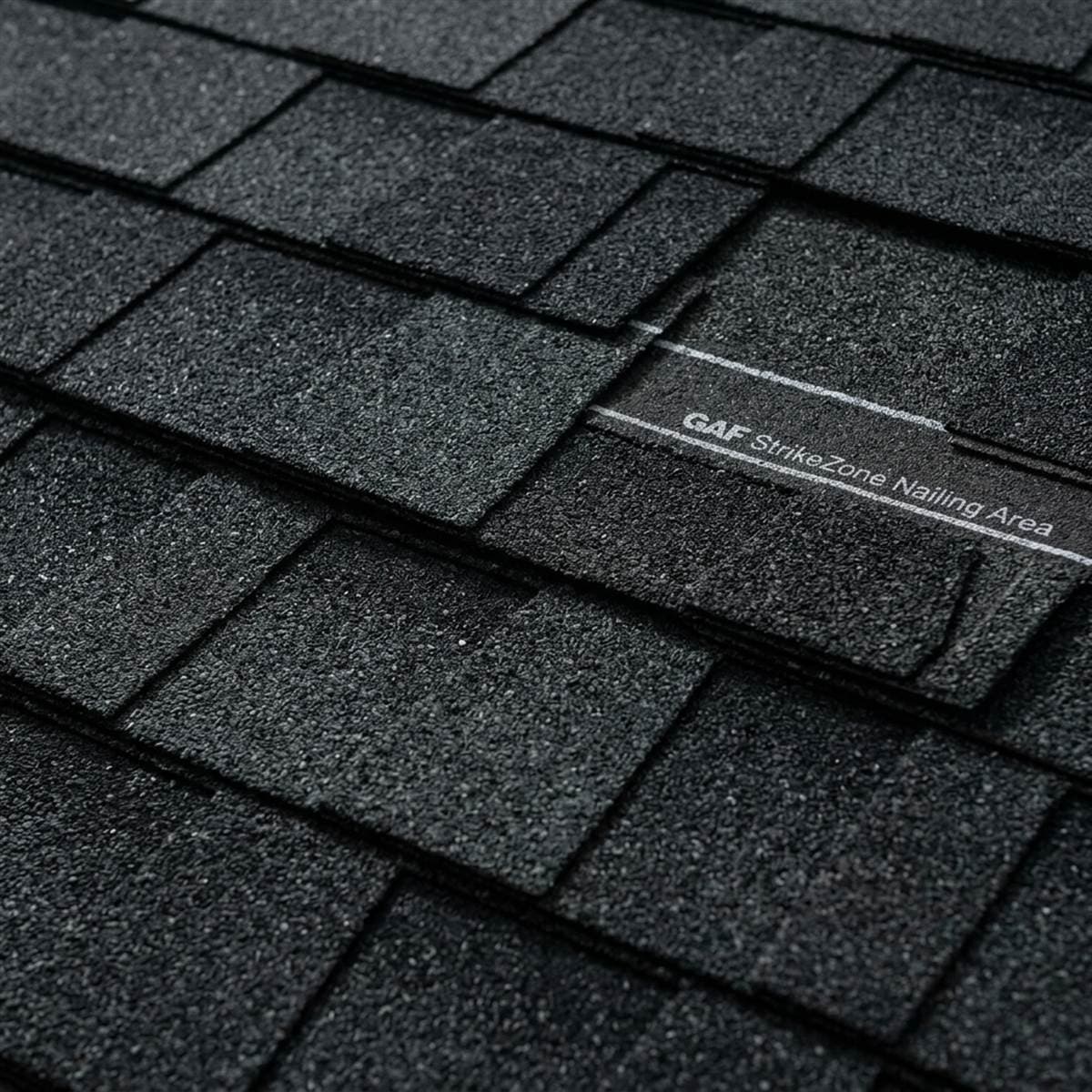
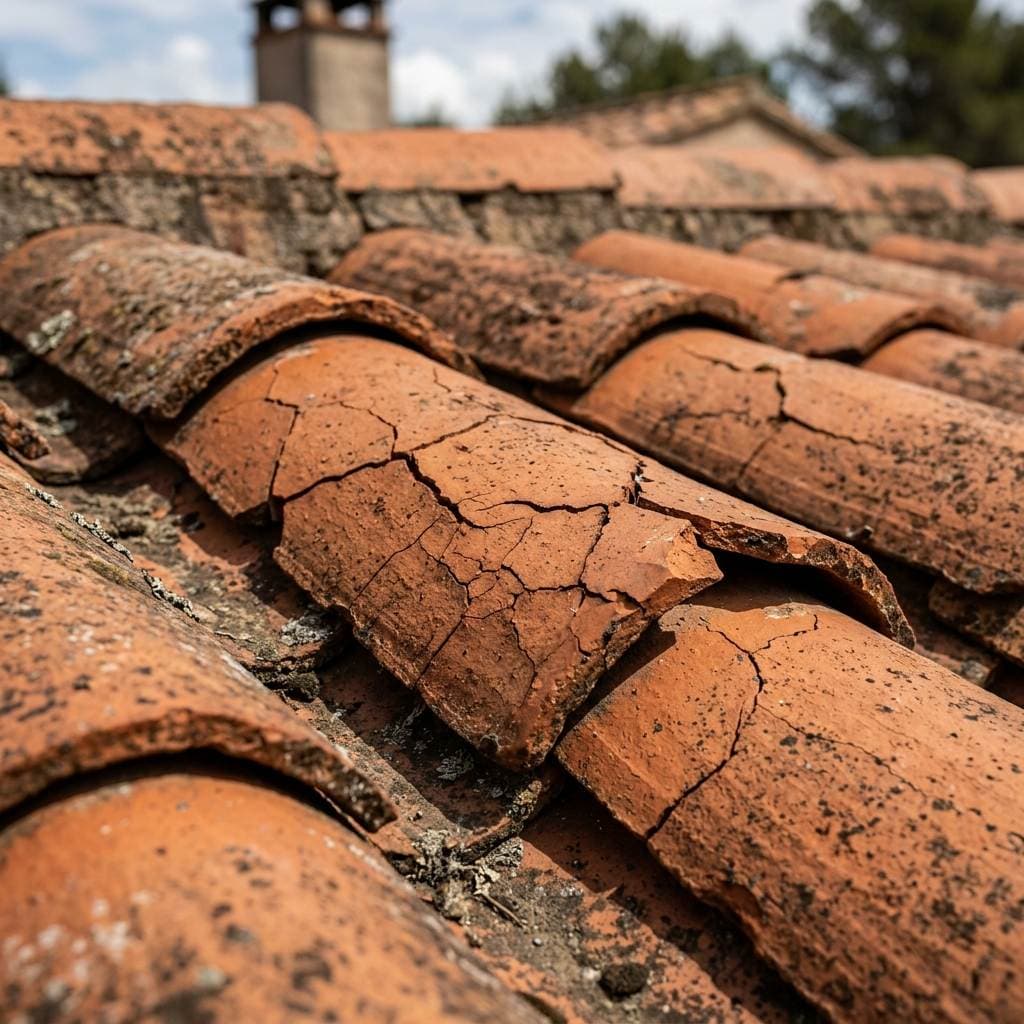
If you own a home in Jupiter or anywhere across northern Palm Beach County, check your roof for these 5 things right now.
Living along the South Florida coast delivers beautiful ocean breezes and year-round sunshine, but that same coastal climate places immense thermal and chemical stress on residential roofing systems. Over the past several months, our inspection teams at Diversified Roofing Solutions have walked hundreds of residential roofs from Abacoa and Admirals Cove to Jupiter Farms and Palm Beach Gardens.
We are seeing a consistent pattern of roof problems in Jupiter and Palm Beach County that catch homeowners completely off guard. Catching these early can save you thousands of dollars in emergency drywall, ceiling, and decking repairs—avoiding the scenario where a minor $500 roof repair turns into a $20,000 structural disaster.
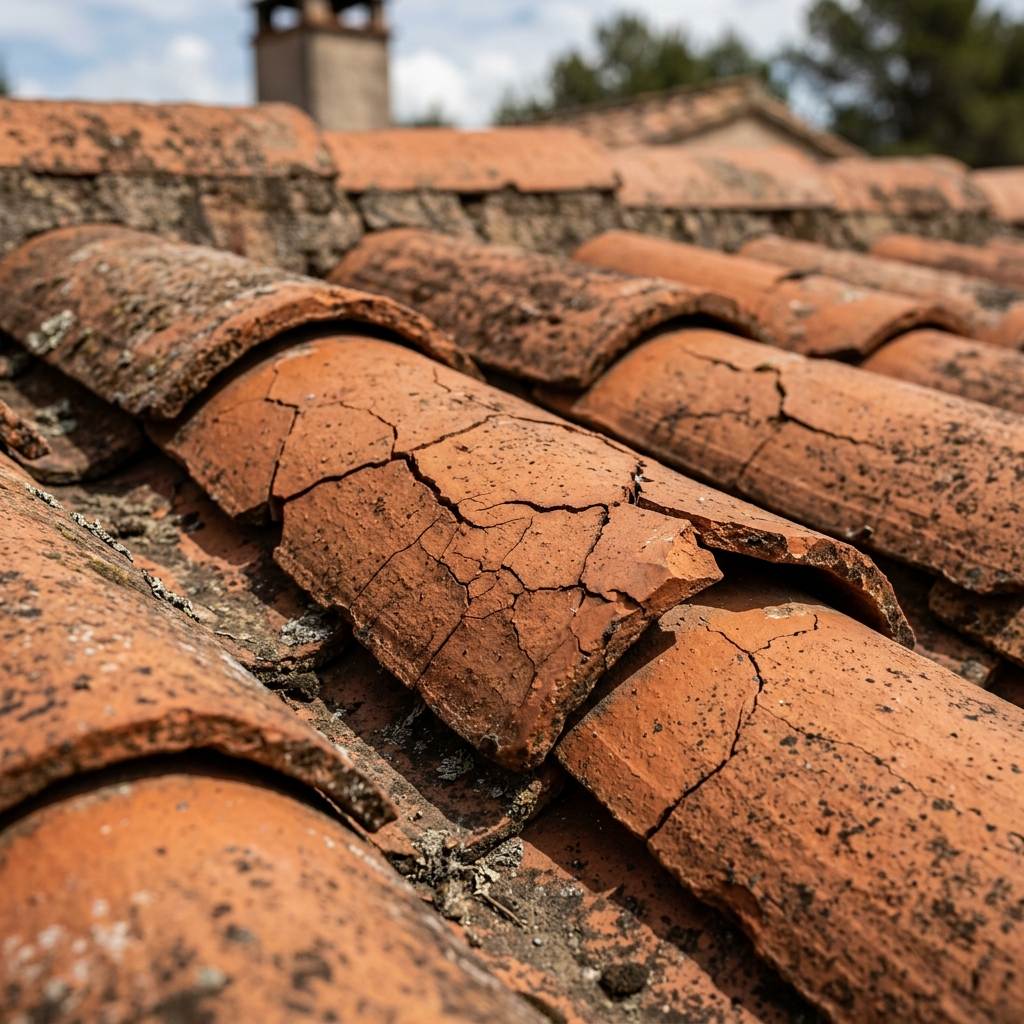
1. Cracked Ridge Caps & Slipped Barrel Tiles
Tile roofs are the architectural signature of Jupiter, but the mortar that bonds ridge cap tiles together takes a beating from Florida's daily UV exposure and temperature cycling.
Over time, standard mortar beds develop hairline fractures. Rainwater seeps into these cracks, washing away the bonding cement until the ridge cap tile becomes loose. During afternoon summer downpours, water tracks straight under the lifted tile and pools against the underlayment. In gated communities like Jonathan's Landing and Egret Landing, unaddressed cracked concrete and clay tiles are the #1 cause of sudden ceiling stains.
2. Brittle, Powdered Organic Underlayment Felt
While concrete and clay tiles can easily last 40 to 60 years, the underlying moisture barrier is often on life support. In homes built between 2000 and 2012, builders frequently installed traditional 30 lb organic paper felt.
Beneath dark roof tiles in July and August, attic temperatures regularly reach 140°F+. This intense heat robs the asphalt oils from the felt paper, turning it into brittle, dry powder. When a single tile shifts or cracks, wind-driven rain hits powdered felt and pours directly through the plywood decking joints into the attic insulation.
3. Coastal Salt-Spray Corrosion on Valley Metal & Flashings
Waterfront and coastal homes within 3 miles of the ocean face severe electrochemical oxidation. One of the most prevalent Palm Beach County roof problems is premature rusting of galvanized steel valley flashings, chimney pans, and lead pipe boot collars.
Salt crystals deposit on the metal surfaces daily. When combined with morning dew, the salt creates an acidic electrolyte that eats through standard galvanized coatings within 8 to 12 years. At Diversified Roofing Solutions, we replace corroded valleys with heavy-gauge marine-grade aluminum roofing panels or copper flashings that are completely immune to salt spray rust.
4. Clogged Valleys & Scuppers from Tree Debris
In heavily wooded neighborhoods like Jupiter Farms and mature tree-lined streets in The Heights, falling oak leaves, pine needles, and palm fronds accumulate in roof valleys and flat patio scupper drains.
When dead organic matter sits in a roof valley, it creates a sponge-like dam that traps standing rainwater. As the debris decomposes, it releases tannic acids that eat through shingle granules and tile sealants. Water backs up beneath the side laps of tiles and overflows the valley flashing into the home’s fascia boards, causing expensive exterior wood rot.
5. Thermal Fastener Back-Out on Low-Slope Additions
Many Jupiter properties feature low-slope flat roofs over back patios, Florida rooms, or detached garages. Because metal and membrane roofs expand during 95°F afternoons and contract during cool nights, mechanical fasteners slowly loosen and back out of the wood decking.
A backed-out screw creates a direct puncture hole through the waterproof membrane, allowing water to trickle in unnoticed every time it rains.
Summary: Quick Checklist of Jupiter Roof Damage Issues
| Roof Problem | Common Locations Found | Risk Level | Recommended Solution |
|---|---|---|---|
| Cracked Ridge Mortar | Tile roofs across Abacoa, Admirals Cove | High (causes direct attic leaks) | Re-mortar with flexible foam adhesive & silicone seal |
| Powdered Felt Underlayment | Roofs aged 15–22 years | Critical (secondary barrier gone) | Full tile lift-and-relay or new reroof with SWR |
| Corroded Valley Metal | Properties within 5 miles of ocean | High (rust perforation) | Upgrade to marine-grade aluminum standing seam valleys |
| Valley Leaf Dams | Jupiter Farms, mature subdivisions | Medium (accelerates wood rot) | Professional valley clearing & branch trimming |
| Backed-Out Fasteners | Flat patio decks, low-slope additions | High (hidden leak points) | Re-fasten with oversized screws & elastomeric patches |
Schedule a Local Jupiter Roof Inspection Today
Don't wait for water to drip into your living room before addressing these common Jupiter roof damage issues. As a local, state-certified contractor (Lic #CCC1330205) headquartered right here in Jupiter, we provide comprehensive, photo-documented roof evaluations.
Explore our dedicated residential roof repair services, view our local Jupiter roofing landing page and Palm Beach Gardens roofing hub, or calculate your repair/replacement options with our online roofing cost calculator. Call Diversified Roofing Solutions at (561) 841-5676 today.
Frequently Asked Questions
What are the most common roof problems found in Jupiter, FL?
The top 5 issues in Jupiter and Palm Beach County include cracked barrel tile mortar along ridge caps, dry-rotted felt underlayment, coastal salt spray corrosion on metal valley flashings, clogged drainage scuppers and valleys from pine needles/oak leaves, and thermal expansion fastener back-out.
How does coastal salt air damage roofs in Palm Beach County?
Salt-laden marine air accelerates electrochemical corrosion on galvanized steel flashings, exposed roofing nails, and valley metal, causing premature rust perforations within 5 to 10 years if aluminum or stainless steel is not used.
How often should a Jupiter homeowner inspect their roof?
Homeowners in Jupiter should schedule a professional physical inspection at least once per year prior to the peak of hurricane season, and immediately following any major tropical storm or hurricane.