If you own a Mediterranean-style home in South Florida, taking care of your natural clay tiles is not optional. It is mandatory for protecting your investment. Fired in high-temperature kilns, these heavy barrel tiles can literally last 100 years. But there is a catch. The tiles themselves do not stop the water. They protect the underlayment beneath them, and that underlayment must stay perfectly dry. We broke down exactly how to inspect, clean, and preserve your clay tiles so your roofing system survives the next major hurricane season.
Clearing Moss, Algae, and Debris From clay tiles
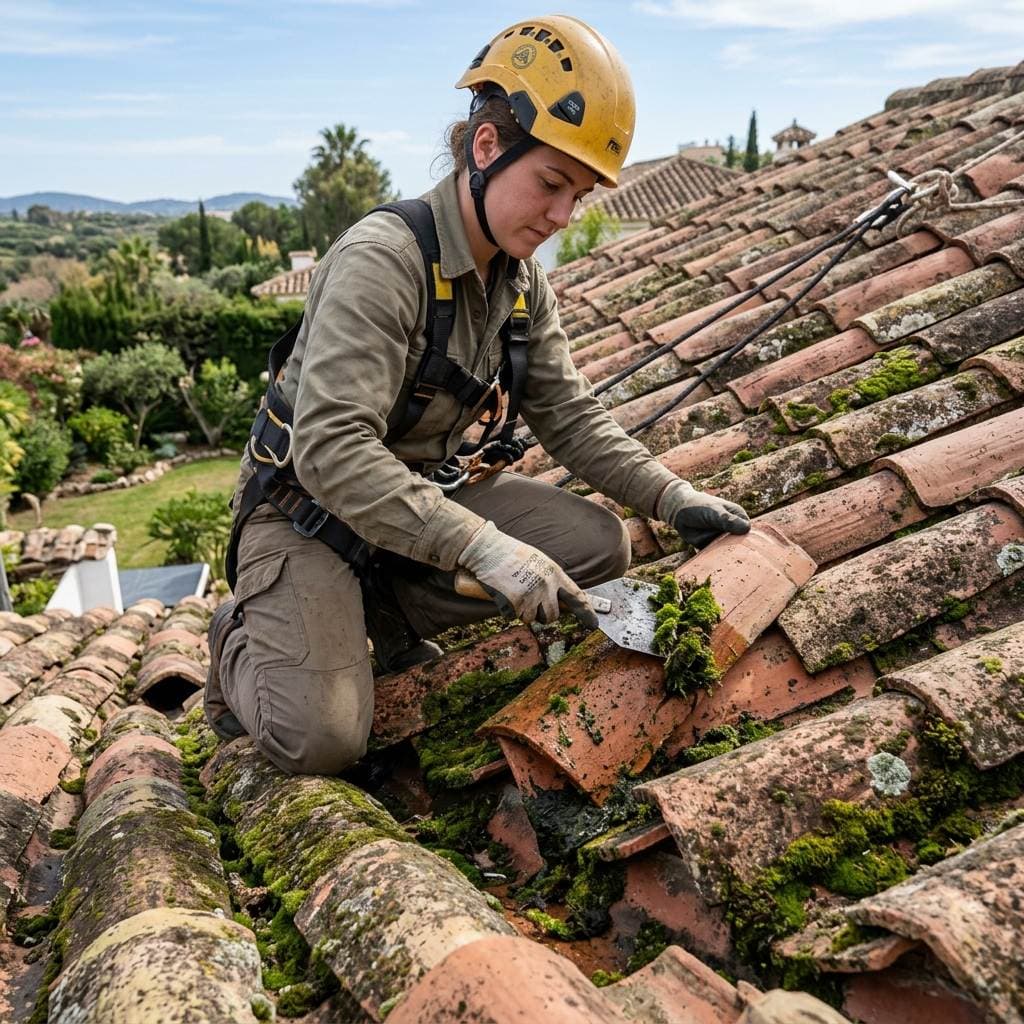
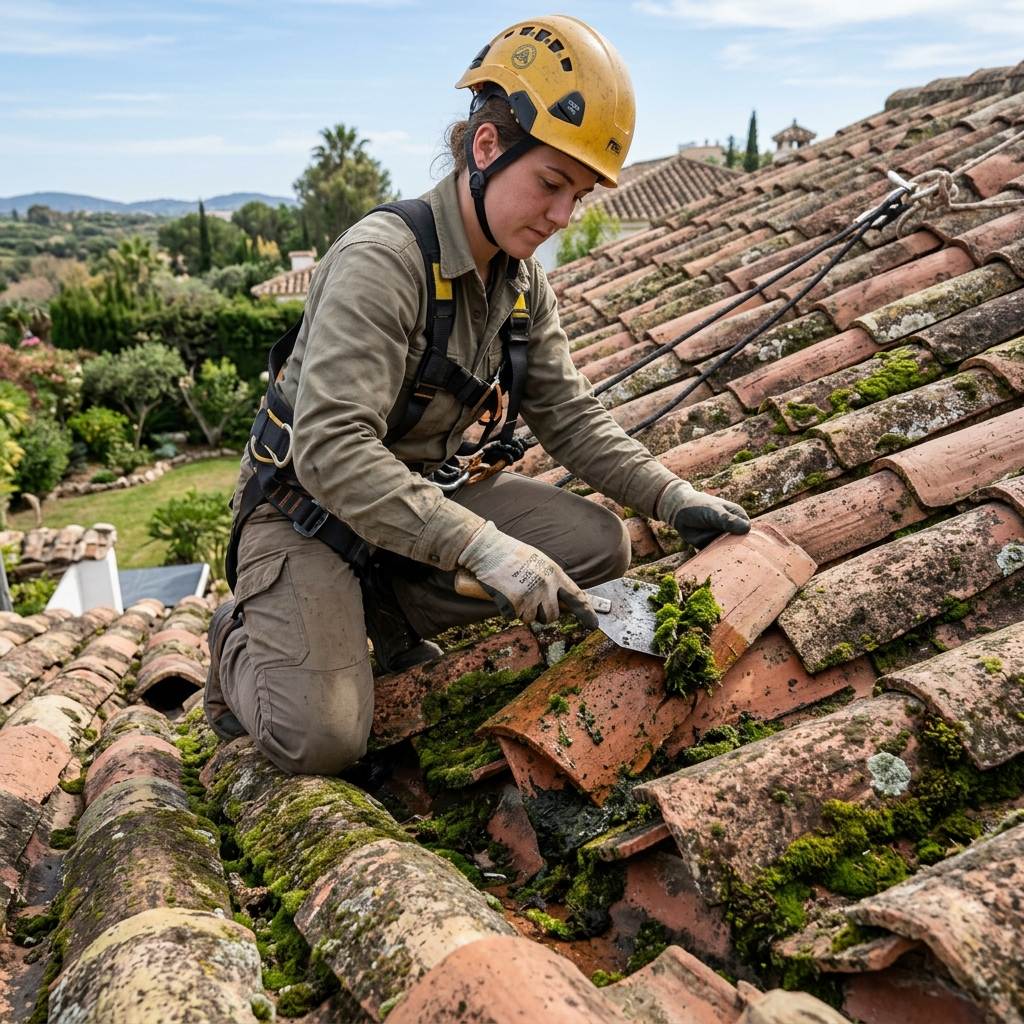
South Florida's crushing humidity breeds algae and moss. While algae will not rot the clay itself, a heavy layer of moss traps moisture directly on the surface of your clay tiles. They never fully dry out.
Worse, falling pine needles and oak leaves jam the roof valleys. These valleys act as the primary drainage channels between the tiles. If those channels clog, rainwater cannot flow down the slope. It pools. It backs up underneath the head lap of the tiles, soaking the underlayment day after day. Professional crews solve this using a low-pressure soft-wash chemical spray. They blend a sodium hypochlorite solution with specialized surfactant soaps to instantly kill mold and algae at the root. Do not ever point a high-pressure wand at a tile roof. A pressure washer will micro-fracture the clay and blast away the protective glaze in seconds.
Damage Inspection of clay tiles
You need eyes on your roof every single year. Annual inspections catch physical damage before it turns into a massive interior leak. High winds constantly throw tree branches onto the deck, cracking individual tiles on impact.
Since water channels down the wavy profiles of the roof, cracked clay tiles immediately expose your underlayment to the brutal Florida sun and rain. This drastically accelerates decay. Check your valleys and roof edges immediately after any major storm passes through Jupiter or Broward County. Notice a broken piece? Read our guide on how to spot cracked clay tiles so you can get it sealed with professional roofing silicone before the next afternoon thunderstorm.
Safe Walking on clay tiles
The number one cause of broken tiles is careless foot traffic. Whether you are clearing a gutter or hanging holiday lights, walking on clay tiles incorrectly will snap them in half instantly.
If you absolutely must get on the roof, you need to know where to step. Only place your foot on the lower, overlapping section of the tile where the wooden batten strip supports it from below. Wear flat, soft-soled shoes. Distribute your weight evenly. Honestly, leave it to the pros. Certified technicians use specialized foam walking boards to spread their weight across multiple tiles, and they tie off with OSHA-approved safety harnesses to prevent fatal falls.
Never walk on a tile roof in the middle of a hot Florida afternoon. The dual-component polyurethane adhesive foam that locks the tiles down gets soft under extreme heat. If you step on a hot tile, it will slide, breaking the adhesive bond completely. This destroys the roof's wind resistance. And never, ever step on the high crown of the barrel. It will shatter.
Fasteners for clay tiles
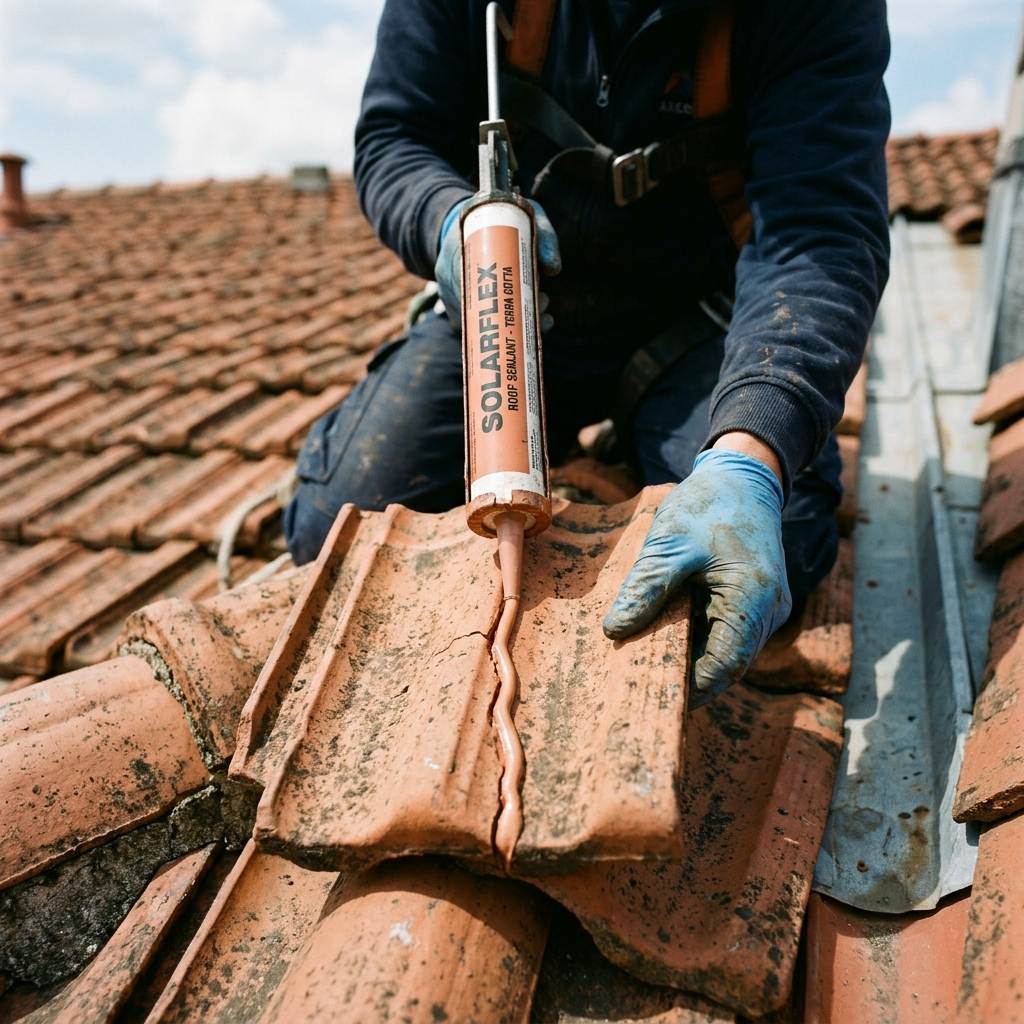
Locking heavy tiles down against a Category 4 hurricane takes serious fastening power. Depending on your specific roof profile, installers secure the system using dual-component adhesive foam, screws, or heavy copper wire ties.
If your roof uses screws, demand high-grade corrosion-resistant fasteners. Standard zinc-plated screws rot away in our salty coastal air, leaving ugly rust streaks down your roof. Stainless steel or hot-dipped galvanized fasteners are the only acceptable options. In high-wind zones, seasoned installers prefer copper wire ties to lock down clay tiles. The wire holds the tile tight during a hurricane but allows it to shift slightly during thermal expansion without cracking. Have a professional check your valley fasteners for metal fatigue. If you secure loose tiles now, you stop them from flying off your house during the next tropical depression.
Review Your Long-Term Roofing Strategy
Strict maintenance is the only way your roof hits that 100-year mark. If you are debating a full replacement, check out our breakdown comparing a traditional clay tile roof to standing seam metal panels.
You also need to understand exactly what is keeping the water out of your living room. Read up on the importance of underlayment for a tile roof.
Preserve the Beauty of Your Estate
Yes, the maintenance requires effort. But taking care of your clay tiles preserves the massive curb appeal and structural security of your home. Stick to a bi-annual cleaning schedule. Catch broken tiles early. Save yourself thousands in water damage repairs.
Call Diversified Roofing Solutions today. Let our certified team inspect your clay tiles, apply safe algae-resistant treatments, and swap out any cracked pieces to keep your home totally watertight.
Learn more about our elite Mediterranean tile roofing services.
Local Service Areas & Regional Coverage
Diversified Roofing Solutions provides certified residential and commercial roofing services across South Florida and the Treasure Coast, including Palm Beach County, Martin County, Broward County, and St. Lucie County.