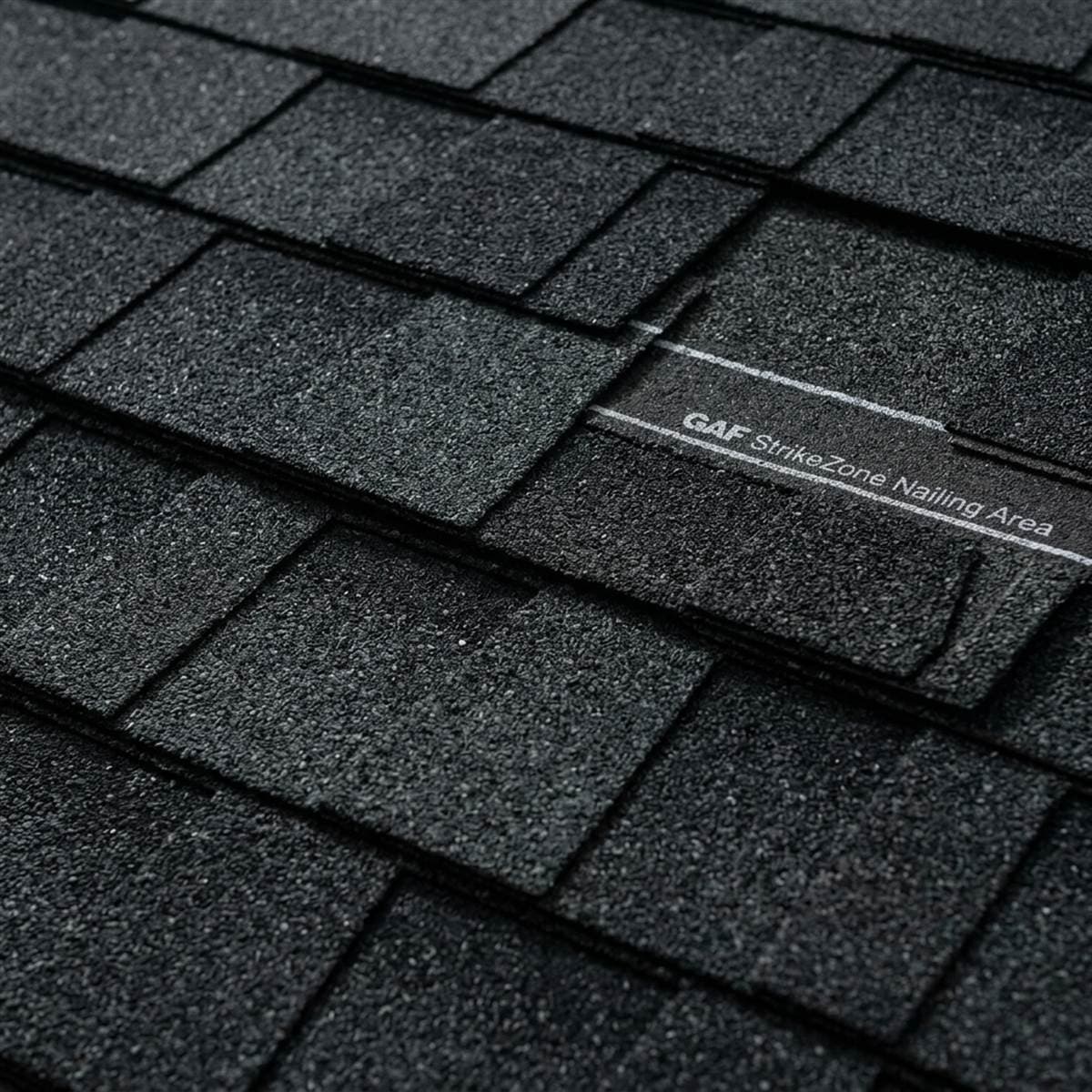
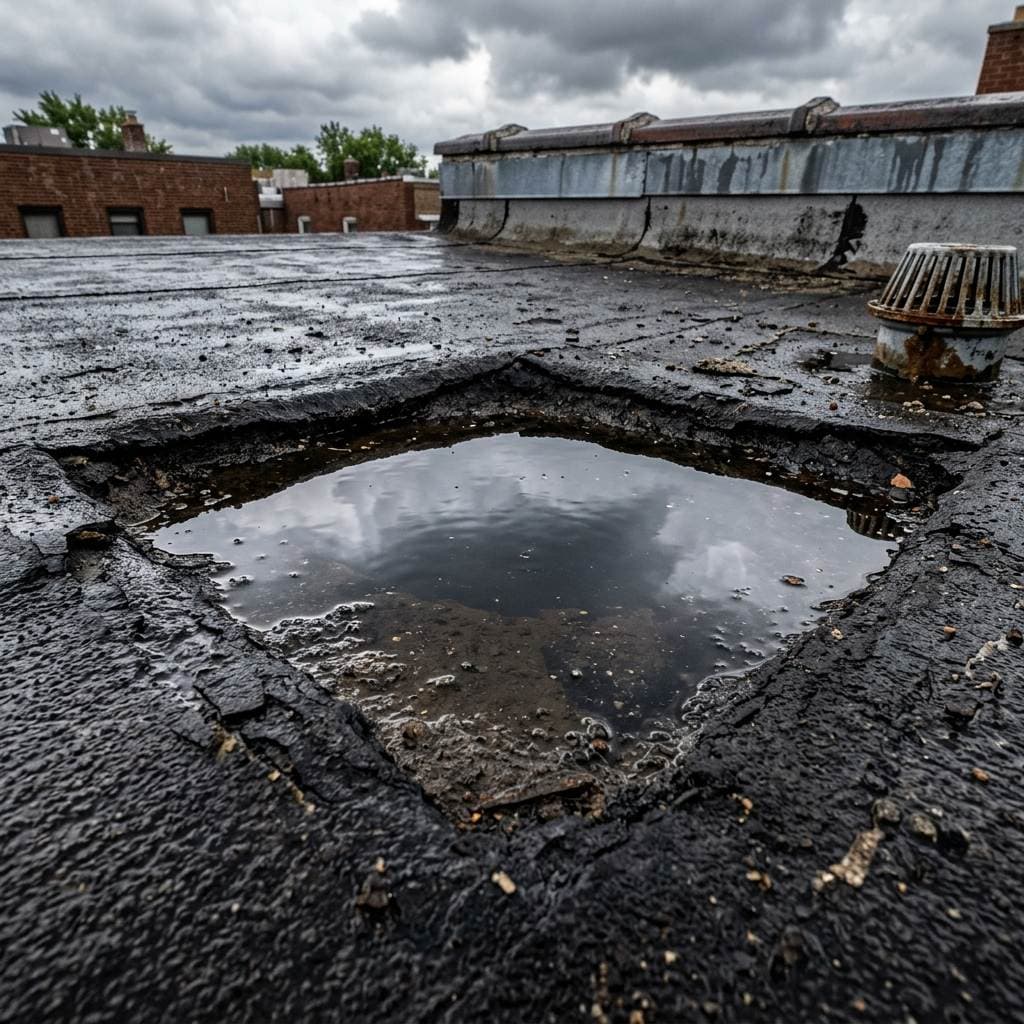
Proper maintenance is the key to preventing water damage on your flat roof. Unlike sloped structures that naturally drain water using gravity, low-slope roofs have minimal pitches. Because water does not run off as quickly, any minor blockage in the drainage system can cause water to pool on the surface. We outline the bi-annual checklist to inspect and clean your flat roof, helping you locate hidden leaks and extend the service lifespan of your membrane.
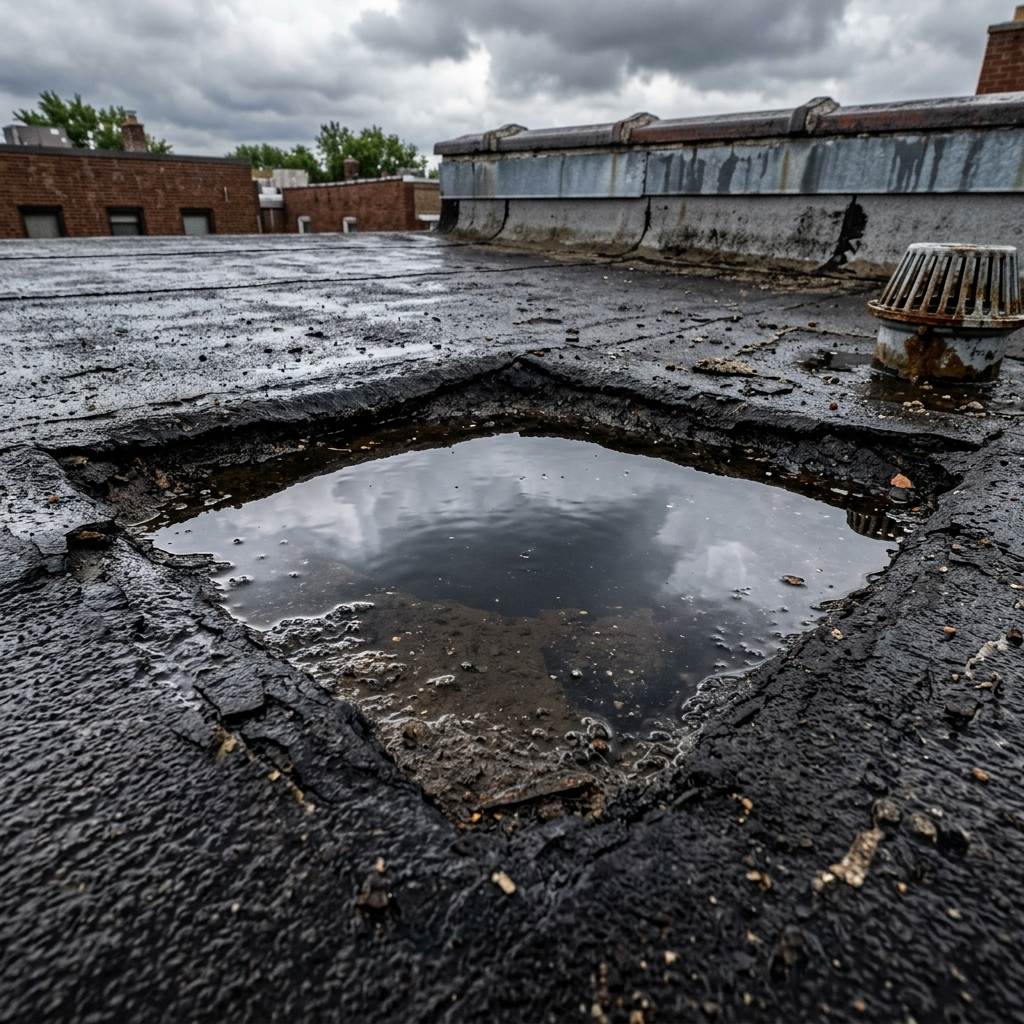
The Threat of Ponding Water on a flat roof
Because low-slope membranes are completely flat, ponding water is the primary cause of leaks. In the roofing industry, ponding water on a flat roof is defined as water that sits for more than 48 hours after rain ceases.
If water sits for long periods, the physical weight of the pool creates a shallow depression in the deck. This depression stretches the membrane, causing it to sag and collect even more water during subsequent storms. Ponding also accelerates UV degradation, as the water acts as a magnifying glass for solar heat. This magnifying glass effect creates localized thermal shock, as the hot water expands and contracts the membrane fibers under the blazing sun, accelerating the breakdown of TPO or asphalt compounds. Standing water also attracts birds and pests, leaving behind acidic droppings and organic sludge that rot the membrane over time.
Cleaning flat roof Drainage Channels
A flat structure relies entirely on drains, gutters, and wall scuppers to shed water. When leaves, twigs, or dirt accumulate in these drains, the system backs up, which makes clearing the drains on your flat roof essential to preventing leaks.
Drain strainer domes—often referred to as beehive strainers—are designed to catch leaves and prevent them from clogging the downspout. However, fine debris like pine needles, silt, and oak tassels can slip through, forming a dense sludge at the base of the strainer. This sludge blocks the drain holes, causing water to back up across the deck. Property owners should check their drains twice a year, especially after heavy summer storms. Clear out leaf litter from the strainer domes, and flush the downspouts with a garden hose to ensure water flows freely away from the walls.
Flashing Seals on a flat roof
The joints where the membrane meets vertical surfaces (such as walls, skylights, and vent pipes) are the most common leak locations. As the building expands and contracts under the sun, the sealants at these junctions can crack and dry rot.
Flashing joints must be secured using counter-flashing metal. Counter-flashing is tucked directly into a cut reglet joint in the brickwork or stucco, channeling water down over the primary membrane flashing rather than allowing it to slip behind the vertical edges. For this reason, inspecting the seams on a flat roof twice a year is critical. Look for bubbling membranes, separating seam lines, or peeling flashing tapes along the edges. If you spot separating seams, they must be heat-welded or resealed immediately using professional liquid membranes to prevent water from slipping underneath.
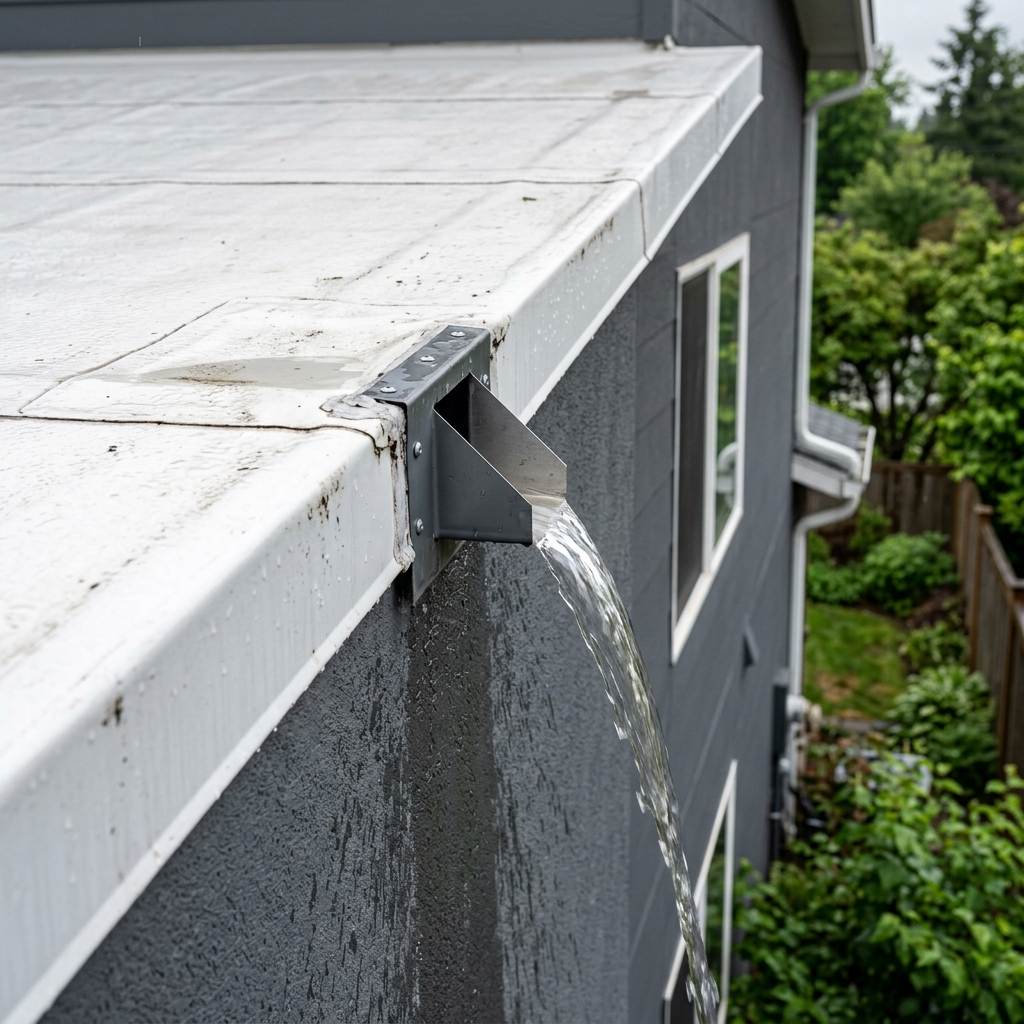
Debris Removal From a flat roof
Organic debris like leaves and pine needles can collect in valleys and corners. When left on the roof surface, this organic matter decays, secreting acids that degrade the flat roof membrane.
Installers must also inspect structural expansion joints. Large buildings feature structural expansion seams that allow separate sections of the concrete deck to expand and contract independently without cracking. The rubberized expansion joint covers must be inspected to ensure the material has not split or separated, as any failure here will allow water to pour directly into the interior. Decaying organic matter also forms a soil-like sludge that allows weeds and moss to grow directly on the roof deck. Weeds and roots can easily puncture TPO or modified bitumen layers. Use a soft-bristled broom or a leaf blower to clear debris, and wash away sludge stains using a gentle water hose.
Plan Your Low-Slope Roof Strategy
Active maintenance is the most effective way to secure wind warranties and prevent leaks. If you are comparing materials for an addition, read our comparison of residential flat roof systems.
Additionally, explore why applying a liquid silicone flat roof coating can restore weathered membranes, and research commercial flat roofing options to understand the materials used on larger offices.
Keep Your Membrane Waterproof and Dry
While some maintenance is required, keeping your flat roof clean guarantees it remains watertight for its entire service lifespan. By removing debris and clearing drains early, you protect the wood deck and avoid expensive replacement projects.
Contact us today to schedule a professional inspection or tune-up of your flat roof. Our certified team is ready to clean your drains, inspect your seams, and ensure your system is prepared for hurricane season.
Contact us to schedule a professional inspection and low-slope leak repair.
Local Service Areas & Regional Coverage
Diversified Roofing Solutions provides certified residential and commercial roofing services across South Florida and the Treasure Coast, including Palm Beach County, Martin County, Broward County, and St. Lucie County.