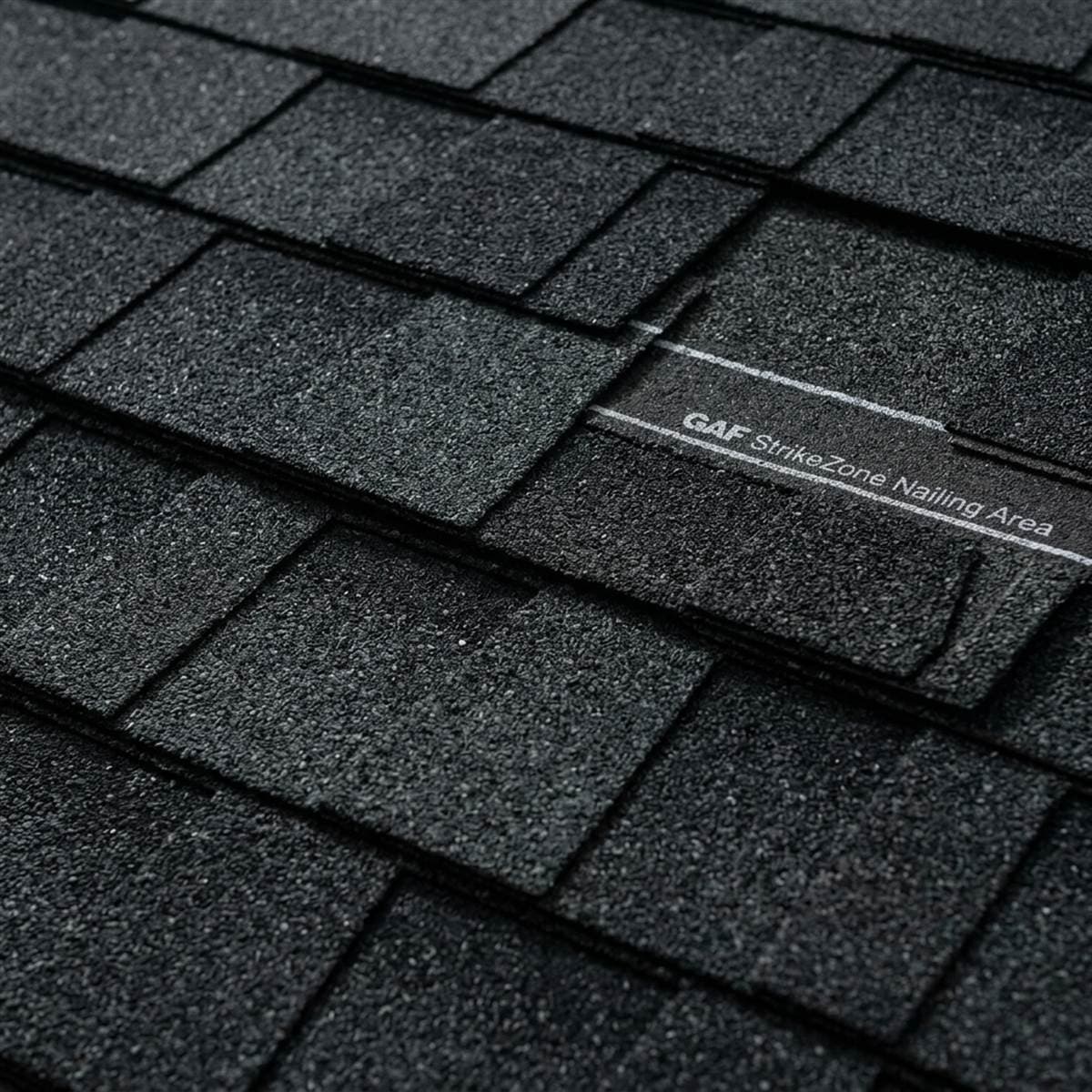
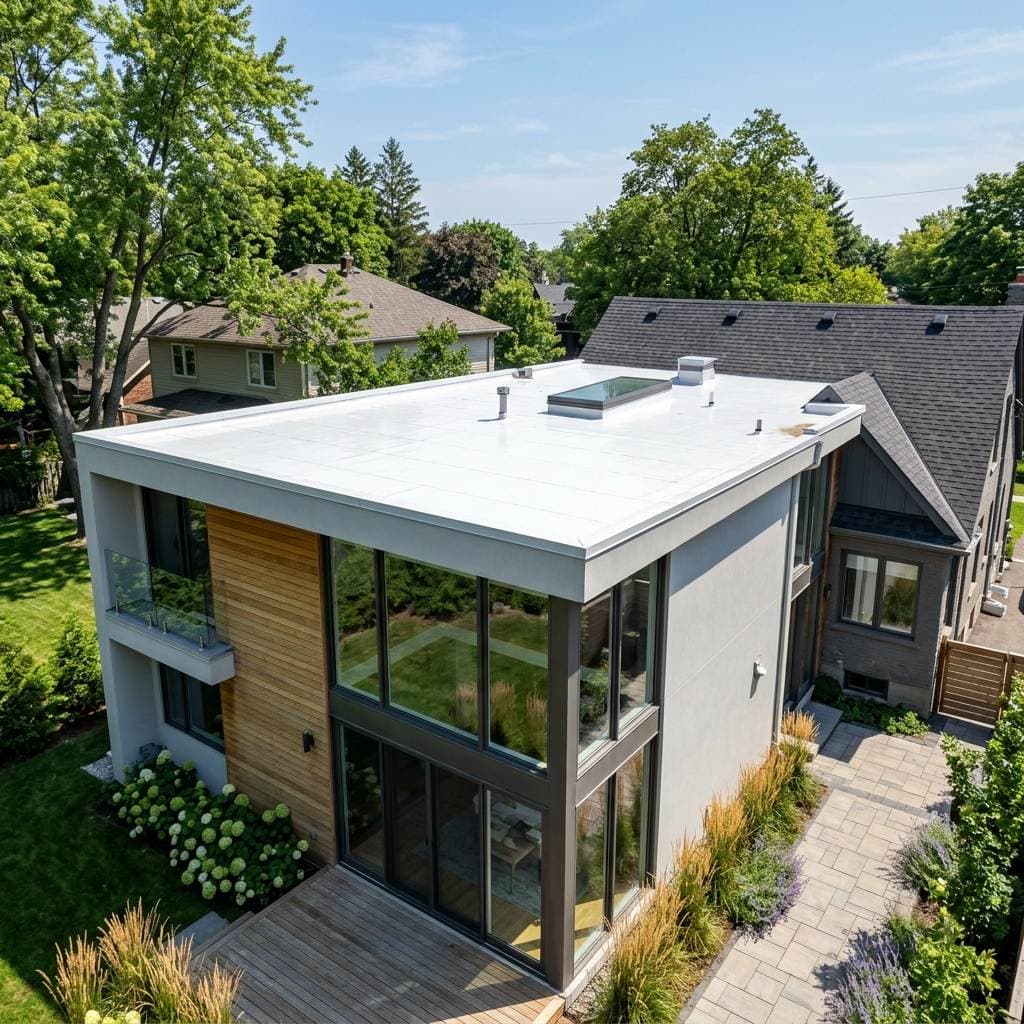
When adding a modern addition, Florida room, or garage to your property, selecting a durable flat roof is essential to preventing future leaks. Low-slope structures are highly vulnerable to water intrusion because they do not drain water as rapidly as pitched systems. We compare the pros and cons of TPO and modified bitumen flat roof systems, helping you select the ideal waterproofing membrane for your home addition.
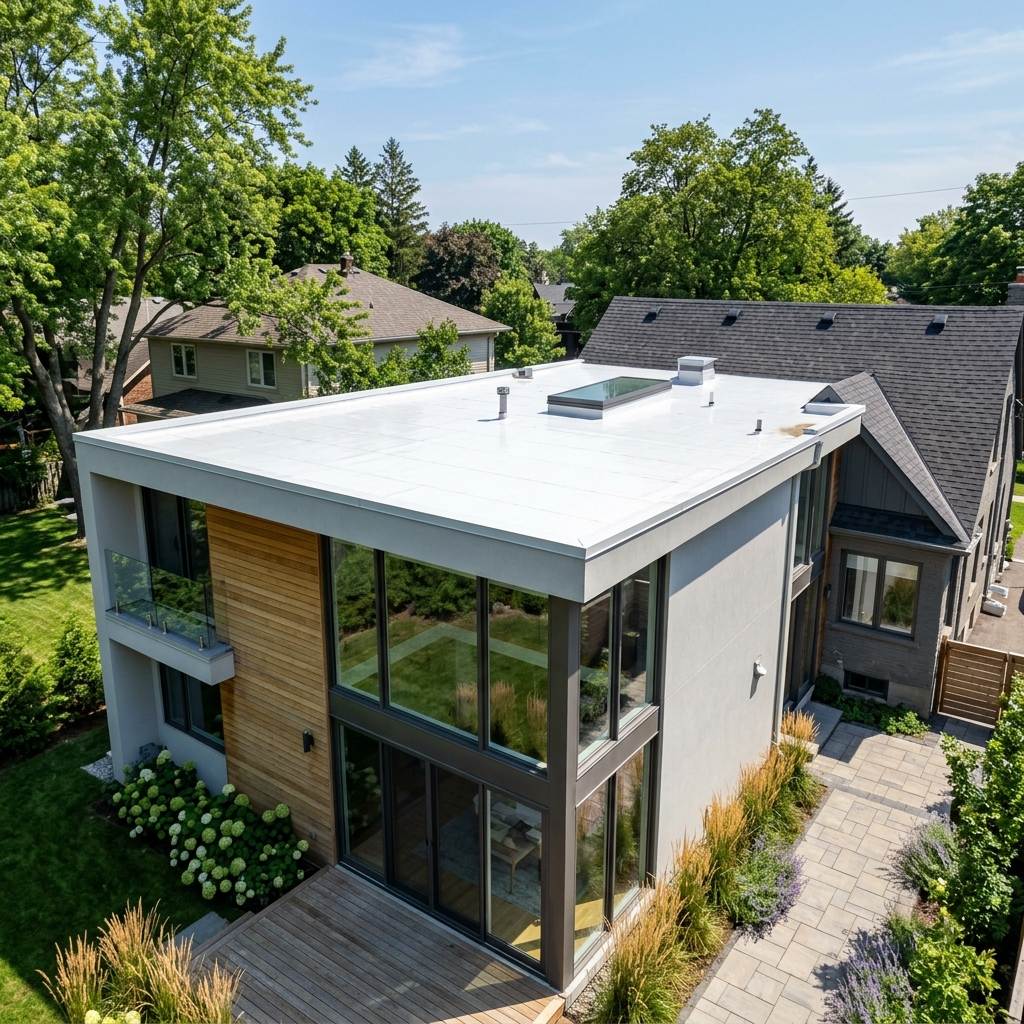
Understanding TPO flat roof Systems
Thermoplastic Polyolefin (TPO) is a modern, single-ply roofing membrane that has quickly become a popular choice for residential additions. TPO is an excellent modern membrane choice. The single-ply membrane of a TPO flat roof is highly reflective, composed of ethylene-propylene rubber and polypropylene.
TPO is available in various thicknesses, typically measured in mils (thousandths of an inch), such as 45 mil, 60 mil, and 80 mil. Selecting a 60 mil or 80 mil membrane provides superior puncture resistance against falling branches and debris, while carrying longer manufacturer warranties. TPO panels are rolled across the deck and secured using mechanical fasteners or liquid bonding adhesives. The seams between adjacent rolls are fused together using a hot-air welding tool. The automatic hot-air welder heats the air to between 800 and 1,100 degrees Fahrenheit, melting the top and bottom sheets together to create a molecular bond. This hot-air welding process creates a joint that is up to four times stronger than traditional taped seams, preventing water from seeping through.
Understanding Modified Bitumen flat roof Systems
Modified bitumen is an evolution of traditional built-up roofing (BUR) that utilizes asphalt rolls modified with plastic or rubber polymers. The multi-layered modified bitumen is a classic choice for a low-slope flat roof, typically installed in two-ply or three-ply systems. This provides superior thermal performance.
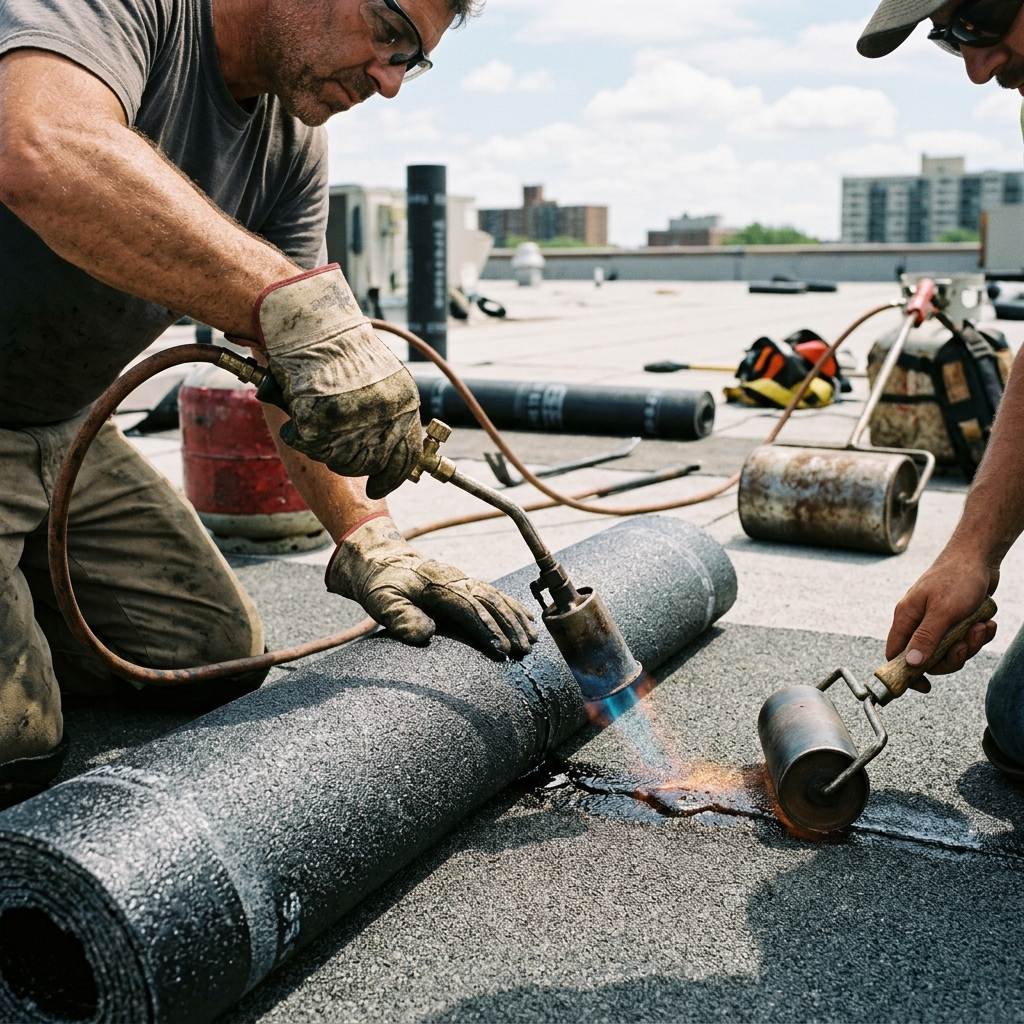
Installers choose between two primary polymer modifiers: SBS (styrene-butadiene-styrene) and APP (atactic polypropylene). SBS modifies the asphalt mixture to make it highly flexible and rubber-like, allowing the membrane to expand and contract without cracking during rapid temperature changes. APP modifies the asphalt to behave like plastic, enhancing its UV resistance and making it highly durable under intense sunlight. Installers apply these rolls using one of three methods: torch-down (using a propane torch to melt the backing), hot-mopped (using hot liquid asphalt), or self-adhered (peel-and-stick backing). Self-adhering multi-ply systems are highly popular in residential spaces because they avoid the strong chemical fumes of hot asphalt and eliminate the fire risks of open flames during installation. Modified bitumen is highly resistant to punctures, foot traffic, and physical damage, making it a robust choice for roofs that house heavy air conditioning units.
Energy Efficiency of a flat roof
Energy efficiency is a major differentiator in warm climates. Asphalt-based systems like modified bitumen absorb solar heat, radiating warmth down into the living space.
In contrast, the white surface of a TPO flat roof redirects solar heat, keeping attic spaces cooler. Highly reflective TPO membranes carry high Solar Reflectance Index (SRI) values, which can lower your home addition's cooling bills by up to 15% during hot Florida summers. Installing a cool, reflective membrane can also unlock federal energy efficiency tax credits and local utility rebates, knocking down your net project cost.
Storm Resistance of a flat roof
South Florida storms bring intense wind pressures and heavy rains. Both TPO and modified bitumen offer excellent wind uplift resistance when installed by certified professionals.
TPO’s welded joints form a physical bond that resists wind tearing, while modified bitumen's heavy multi-ply layers provide substantial ballast. Securely locked seams prevent wind from lifting the flat roof membrane during tropical storms, ensuring the wood deck remains completely dry. This helps secure your building structure.
Plan Your Home Addition Project
Selecting the right membrane is only the first step toward securing your low-slope system. Read our detailed guide on flat roof maintenance to learn how to prevent ponding water and debris build-up.
Explore the benefits of a liquid silicone flat roof coating to extend the lifespan of your system, and compare structural features against pitched systems by checking our clay tile roof vs. metal analysis.
Secure Your Addition with the Best Membrane
While modified bitumen is tough and offers excellent puncture resistance, TPO remains the premier flat roof option for homeowners seeking maximum energy efficiency and leak-free performance. Fusing the seams with hot air guarantees a watertight seal that will easily withstand the elements.
Contact us today for a free consultation on selecting the best flat roof system for your home addition. Our certified team is ready to evaluate your architectural plans, explain membrane warranties, and install a custom system engineered for your home.
Review our premium installation specs for TPO and PVC installations.
[!TIP] Planning a Roof Replacement? Use our interactive Florida Roof Replacement Cost Calculator to get an instant satellite measurement and pricing estimate for your property.
Local Service Areas & Regional Coverage
Diversified Roofing Solutions provides certified residential and commercial roofing services across South Florida and the Treasure Coast, including Palm Beach County, Martin County, Broward County, and St. Lucie County.