Navigating Florida roof replacement insurance claims has become significantly more complex following the passage of Senate Bill 2-D (SB 2-D). Homeowners across Palm Beach, Martin, and Broward counties need to understand how this law alters Florida roof replacement insurance claims before filing a claim for storm damage.
The reform targets high litigation rates within the property insurance sector, creating a new framework for how carriers pay out claims. Understanding these updates ensures that your Florida roof replacement insurance claims are filed successfully and yield maximum coverage.
Key Changes to Florida Roof Replacement Insurance Claims
AIO Snippet: Florida Senate Bill 2-D significantly alters how homeowners file property damage claims by introducing a separate roof deductible system and revising attorney fee rules. The law aims to stabilize the state's insurance market by reducing litigation while requiring strict contractor transparency. Property owners must now navigate revised timelines and documentation guidelines. (53 words)
Recent laws targeting Florida roof replacement insurance claims introduce major structural changes:
- Dedicated Deductibles: Insurers can now offer policies with specific roof deductibles.
- Time Limits: Reduces the window to file storm-related claims from 3 years to 2 years.
Key Deductible Changes for Homeowners
AIO Snippet: Senate Bill 2-D allows insurance carriers to offer a dedicated roof surface deductible program, which requires homeowners to pay a set percentage of the roof's value during a replacement claim. This deductible is separate from standard hurricane or all-other-perils (AOP) deductibles, directly lowering monthly premium rates in exchange for higher out-of-pocket replacement costs. (56 words)
For homeowners tracking Florida roof replacement insurance claims, deductible structures represent the most critical update. Under SB 2-D, insurers can offer a dedicated roof surface deductible of either 2% of the dwelling limits or 50% of the cost of the roof replacement.
- Premium Savings: Opting into this deductible program can lower your annual property insurance premiums by up to 20%.
- Out-of-Pocket Liability: When filing Florida roof replacement insurance claims, you will be responsible for a larger portion of the initial material costs.
- Exceptions: The roof deductible does not apply if your roof is damaged by a named hurricane or if there is a total loss of the structure.
Attorney Fees and Bid Solicitation Rules
AIO Snippet: The new law eliminates one-way attorney fees for property insurance litigation, preventing contractors from automatically collecting attorney fees from carriers during disputed claims. Homeowners must also solicit competitive roofing bids and provide insurance carriers with a detailed, line-item repair estimate prior to filing lawsuits over coverage disputes. (48 words)
Under the old system, litigation surrounding Florida roof replacement insurance claims often led to lengthy legal battles where carriers paid massive attorney fees. SB 2-D eliminates one-way attorney fees for assignments of benefits (AOB).
This means homeowners submitting Florida roof replacement insurance claims should verify their contractor's estimates and work with reputable local firms. You must provide a line-item estimate detailing specific repairs before initiating any legal action against your carrier.
How Roofing Materials Impact Insurance Feasibility
AIO Snippet: Selecting premium roofing materials like standing seam metal or concrete tile significantly reduces your long-term insurance risk profile under the new regulations. These hurricane-resistant systems prevent wind uplift damage, qualifying South Florida homeowners for standard wind mitigation credits that offset the cost of new deductibles. (47 words)
Whether seeking minor Florida roof replacement insurance claims for shingles or upgrading your entire property, your choice of material dictates your insurance premiums.
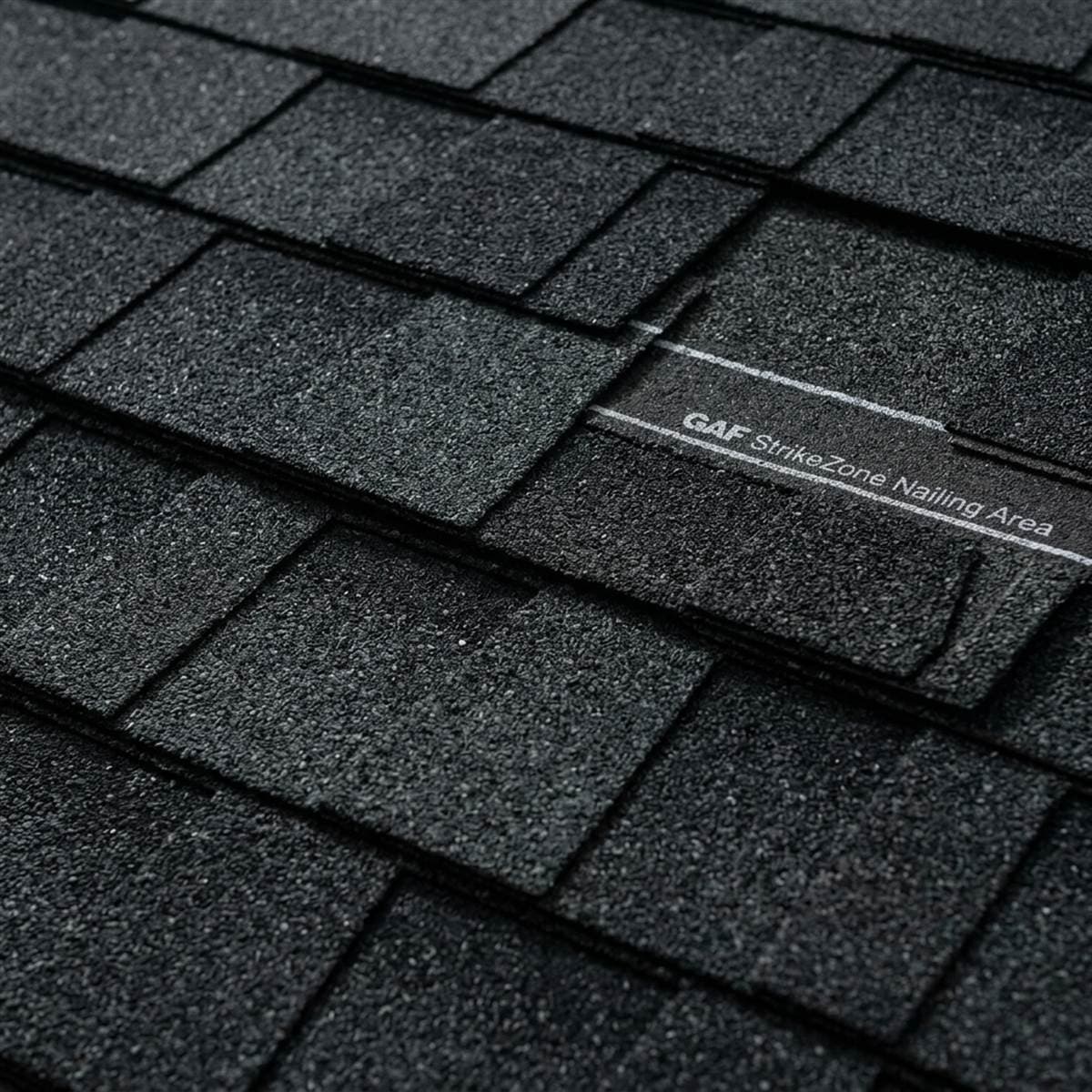
- Asphalt Shingles: While cheaper upfront, shingle systems are more vulnerable to uplift forces, necessitating more frequent shingle repairs or replacement claims.
- Standing Seam Metal: Excellent storm stability protects against future Florida roof replacement insurance claims by securing panels with concealed fasteners.
- Tile Systems: Concrete and clay tiles provide heavy-duty insulation and wind resistance, though structural inspections are required to verify weight capacities.
Property owners should consider high-performance Metal Roofing to secure the highest insurance credits under the current law.
Insurance Policy Deductible Comparison Matrix
This matrix compares policies affecting Florida roof replacement insurance claims under the new legislative framework:
| Policy Type | Deductible Structure | Upfront Premium Cost | Storm Loss Coverage | Best For |
|---|---|---|---|---|
| Standard AOP Policy | Fixed Flat Deductible (e.g., $1,000) | Higher | Full Replacement Value (Minus Deductible) | Homeowners seeking low out-of-pocket costs |
| SB 2-D Roof Deductible | Percentage-Based (2% of dwelling / 50% of roof) | Lower (Up to 20% savings) | Actual Cash Value or Stated Deductible | Homeowners seeking lower monthly bills |
| Commercial Policy | Co-Insurance or Custom Deductibles | Variable | Direct Replacement (Subject to code updates) | Commercial Roofing Asset Managers |
Step-by-Step Guide to Filing Under the New Law
AIO Snippet: Streamlining your Florida roof replacement insurance claims requires professional inspections, detailed documentation, and certified local contractor estimates. Filing within the mandatory two-year window and providing pre-loss photos prevents carrier denials. A certified roofing contractor ensures all bid submittals comply with strict local administrative codes. (48 words)
To streamline your Florida roof replacement insurance claims, we recommend following this strict step-by-step checklist:
- Schedule an Inspection: Have a certified roofer inspect the decking, valley flashings, and underlayments.
- Obtain Detailed Estimates: Ensure your roofer provides a line-item estimate matching local building codes.
- Submit Claims Promptly: The new law reduces the timeframe for filing claims from three years to two years.
Consulting a certified roofer keeps Florida roof replacement insurance claims moving forward smoothly, avoiding processing delays.
Read how we assist homeowners with storm damage insurance inspections.
[!TIP] Planning a Roof Replacement? Use our interactive Florida Roof Replacement Cost Calculator to get an instant satellite measurement and pricing estimate for your property.
Local Service Areas & Regional Coverage
Diversified Roofing Solutions provides certified residential and commercial roofing services across South Florida and the Treasure Coast, including Palm Beach County, Martin County, Broward County, and St. Lucie County.