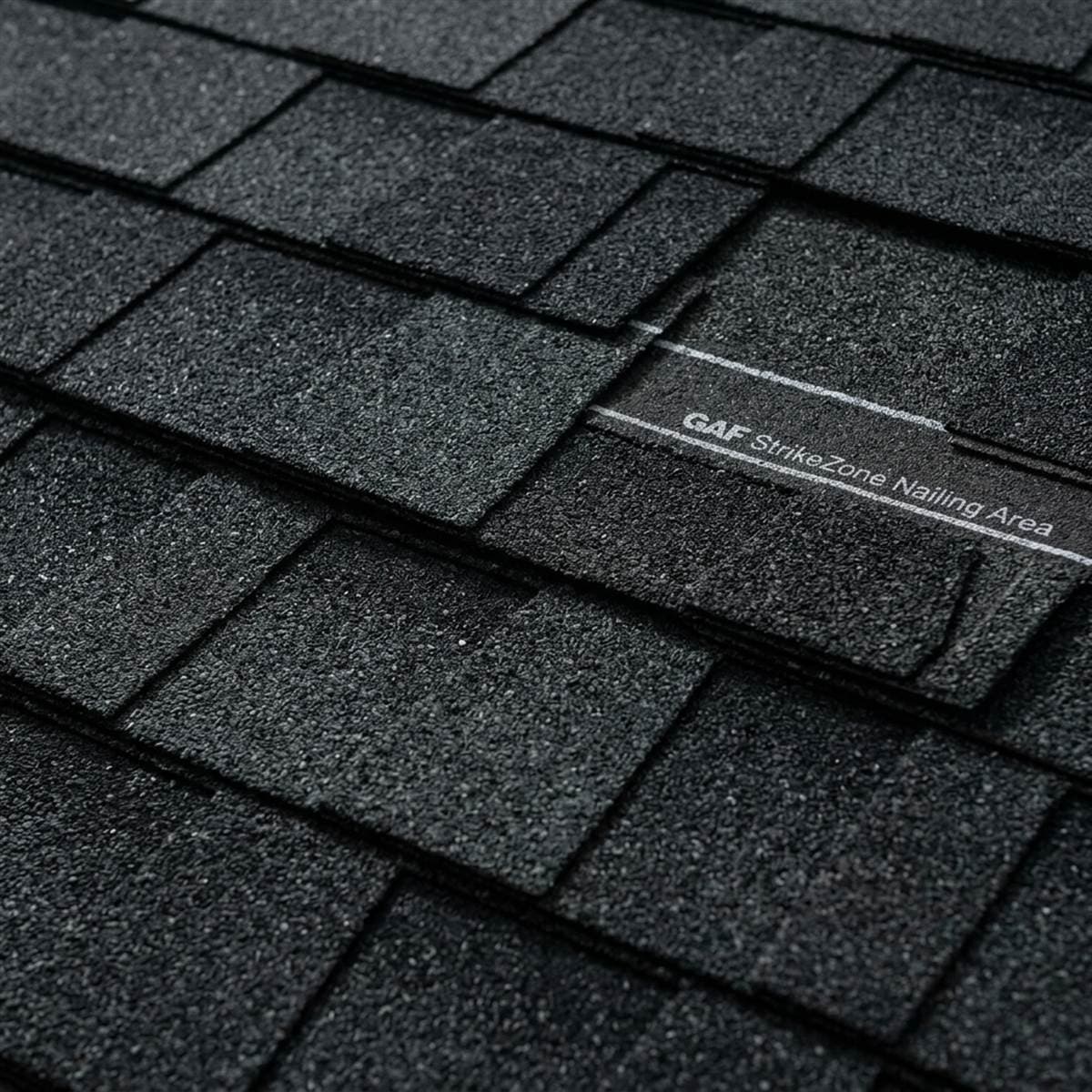
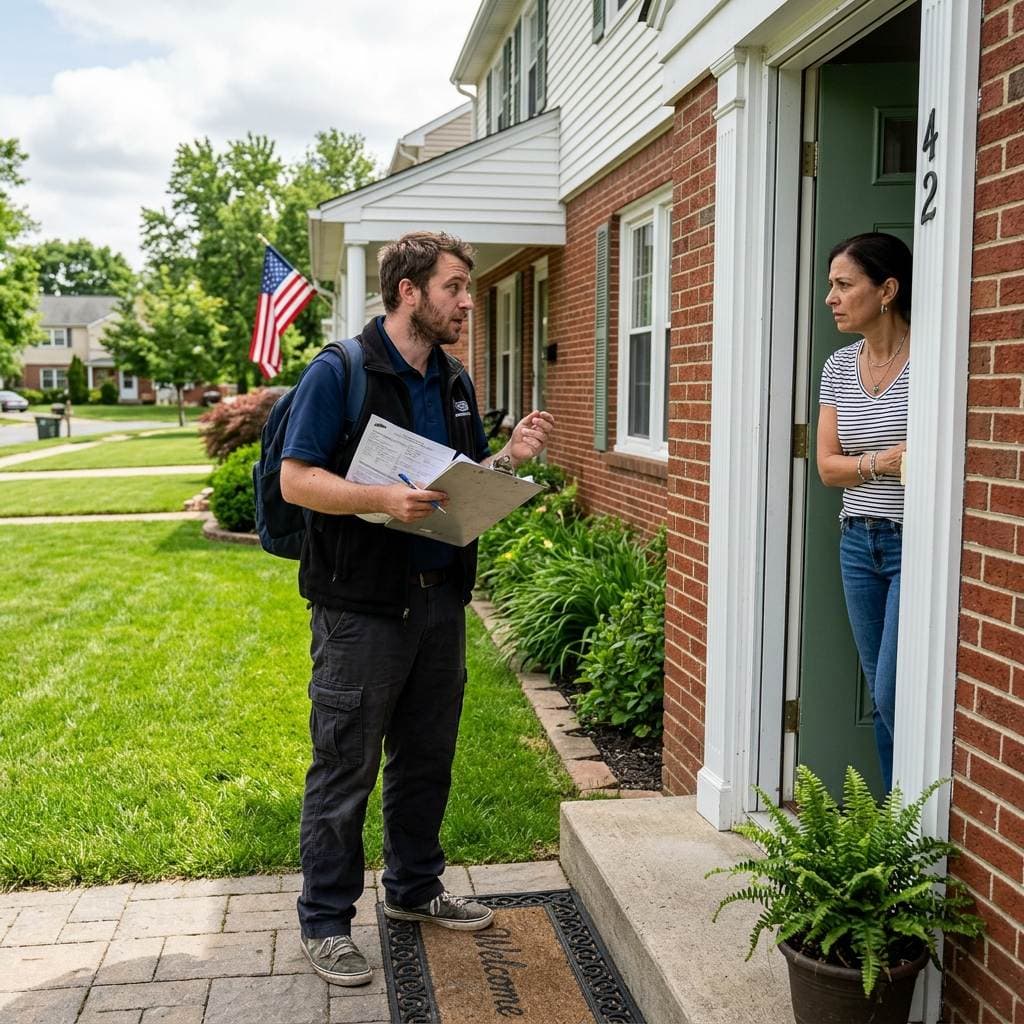
If a roofer knocks on your front door within 48 hours after a Florida storm and says "We can get you a completely free roof and waive your insurance deductible," do not sign anything.
In the chaotic aftermath of a tropical storm or hurricane in South Florida, out-of-state "storm chasers" and predatory unlicensed operators flood into Palm Beach, Martin, and Broward counties. They prey on stressed homeowners, promising instant repairs while locking them into fraudulent insurance schemes that can leave properties tied up in litigation, uninsurable, or saddled with illegal contractor liens.
The Florida Department of Financial Services (DFS) has issued strict statutory warnings regarding Florida roofing scams after a storm. Below is your essential survival guide to identifying contractor red flags, understanding Florida law, and protecting your home.
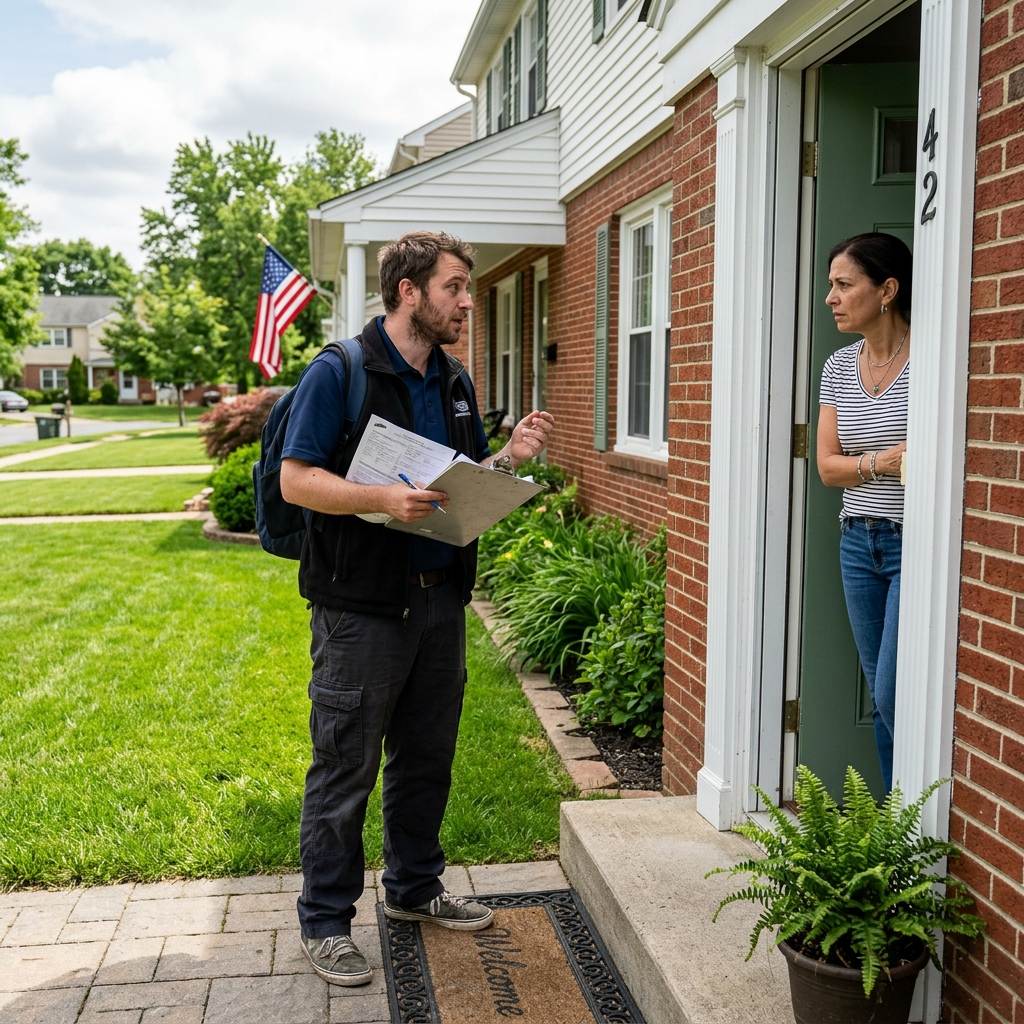
1. The "Free Roof / We Pay Your Deductible" Scam (Felony Fraud)
The most common pitch after a storm is: "Sign with us, and we will cover your $2,000 hurricane deductible."
The Legal Truth:
Under Florida Statute § 817.234, it is a third-degree felony for any contractor or person to knowingly pay, waive, rebate, or offer any gift card, rebate, or financial incentive to cover an insurance deductible.
If a roofer tells you they can legally waive your deductible, they are asking you to participate in insurance fraud. Insurance companies verify deductible proof before releasing final depreciation checks. If fraud is detected, the carrier can cancel your policy and demand immediate repayment of all claim funds.
2. The "Assignment of Benefits" (AOB) Trap
Prior to recent legislative reforms, predatory contractors pushed homeowners to sign an Assignment of Benefits (AOB) agreement under the guise of an "emergency authorization form."
Once signed, the homeowner gave away all rights to their insurance claim. The contractor would submit bloated invoices to the insurance company, sue the insurer without the homeowner's knowledge, and leave the roof half-finished for months during legal battles.
Important 2026 Legal Update: Florida law (SB 2-A) has completely eliminated AOB agreements for residential property insurance policies. Any contractor attempting to have you assign your policy benefits to them is violating Florida insurance statutes.
3. The "Manufactured Damage" Play
Unscrupulous storm chasers offer "free roof inspections" after minor rainstorms. Once up on the roof where you can't see them, they deliberately:
- Bend and crease shingle tabs upward with their hands.
- Pry up ridge tiles with screwdrivers.
- Hammer golf balls or coins onto metal panels to simulate fake hail strikes.
They take photos of the manufactured damage and submit fraudulent storm damage claims to your carrier. Insurance adjusters are trained forensic experts; when they spot intentional mechanical damage, the claim is denied for fraud, leaving your property flagged in the insurance industry’s national database (CLUE report).
The 5 Red Flags of Out-of-State Storm Chasers
| Storm Chaser Red Flag | Reputable Local Contractor Standard |
|---|---|
| Out-of-state license plates & magnetic signs | Permanent marked commercial vehicles with local phone numbers |
| Occupational license or handyman registration | Active State Certified Roofing Contractor License (#CCC1330205) |
| Demands 50% cash deposit upfront on the spot | Structured milestones aligned with building permit inspections |
| Uses high-pressure tactics ("Sign today or lose funding") | Transparent, written estimates with detailed scope of work |
| Refuses to provide local physical office address | Permanent local commercial office with verified community references |
4 Steps to Protect Yourself After a Florida Storm
If your roof sustains genuine wind or tile damage during a severe storm, follow this safe protocol:
- Mitigate Immediate Leaks with Emergency Tarping: Contact a licensed contractor to install a temporary blue tarp to prevent interior water damage. Keep your receipts for insurance reimbursement.
- Verify Licensing with the State DBPR: Visit
myfloridalicense.comand confirm the contractor holds an active Certified Roofing Contractor (CCC) license in good standing. - Document Damage with Clear Photos: Take timestamped photos and videos of your roof and interior ceilings before any contractor touches the structure.
- Demand a Written, Itemized Contract: Ensure the contract clearly outlines the specific Florida Product Approval numbers for all shingles, tiles, or metal panels being installed.
Trust an Established Local South Florida Contractor
At Diversified Roofing Solutions, we are headquartered in Jupiter, FL, and have served South Florida communities across Fort Lauderdale in Broward County and Stuart in Martin County for over 25 years. We operate with total transparency, pull municipal permits on every job, and never deploy predatory sales tactics.
If your property has storm damage, review our emergency storm roof repair guide, learn about our full residential roof replacement services, or understand your policy rights under the Florida 15-year roof rule. Call (561) 841-5676 for certified storm assessments.
Frequently Asked Questions
Is it illegal for a roofing contractor to pay or waive your insurance deductible in Florida?
Yes. Under Florida Statute § 817.234, it is a third-degree felony for a contractor to pay, waive, rebate, or offer any financial incentive to cover a homeowner insurance deductible. Any roofer offering a "free roof" is committing insurance fraud.
How can I check if a roofer is legally licensed in Florida?
You can verify any roofing contractor in seconds on the Florida Department of Business and Professional Regulation (DBPR) website (myfloridalicense.com). Ensure they hold an active Certified Roofing Contractor license (starting with "CCC") rather than an occupational handyman license.
What is an Assignment of Benefits (AOB) and why was it banned?
An Assignment of Benefits (AOB) was a document that transferred all your insurance claim rights to a third-party contractor. Florida legislation passed under SB 2-A completely eliminated residential property insurance AOB agreements to protect consumers from predatory contractor lawsuits.