Coordinating a massive roofing project for a homeowner association (HOA) or condominium community is a high-wire act. You must balance structural engineering, ruthless municipal permitting, and resident communications. For board members across Palm Beach and Martin counties, understanding the latest HOA roof replacement rules Florida dictates your success. Master these rules to secure bids, hold your budget, and dodge vicious owner disputes.
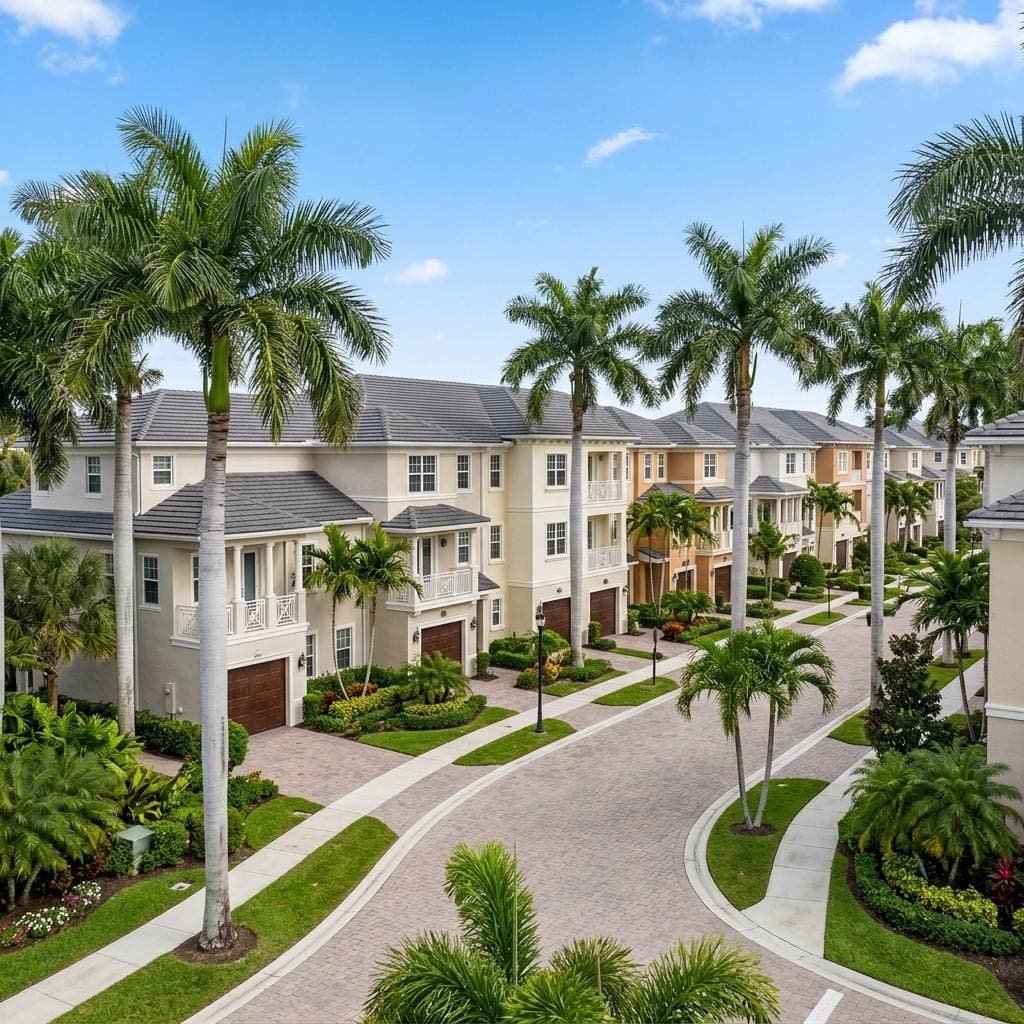
Multi-family projects (townhomes, villas, condos) share walls and structural roofs. You cannot simply repair one individual unit in a vacuum. We analyze best practices for board members managing HOA roof replacement rules Florida. Ensure a code-compliant, seamless installation across your entire community.
The Board's Duty: Maintenance and reserve funding
Under Florida Statutes, association boards hold a strict fiduciary duty to maintain common elements. That almost always includes the exterior roof coverings of townhome and condo buildings.
Recent Florida structural safety laws changed the game. Boards must now execute detailed Structural Integrity Reserve Studies (SIRS). Communities must fully fund reserves for roof replacement. Stop relying on emergency special assessments that financially cripple homeowners.
- Reserve Studies: Absolutely mandated for buildings 3 stories or higher. Funds are locked away for roof work based on estimated remaining lifespans.
- Uniform Aesthetic Rules: HOAs mandate that all connected units deploy the exact identical manufacturer, style, and color of shingles, tiles, or metal panels. No exceptions.
- Contractor Liability: Board members must ruthlessly verify that their chosen roofing contractor carries massive general liability insurance, commercial auto coverage, and workers' compensation limits.
3 Keys to Coordinating a Multi-Family Roof Project
Ensure project success. Silence resident complaints. Execute these guidelines during pre-construction planning:
1. Phased Staging and Parking Layouts
A community re-roof requires heavy artillery: cranes, massive dumpsters, and flatbed deliveries. Work directly with your contractor to draft a phased plan. Stage dumpsters in designated visitor spots. Deploy safety netting around common walking areas to protect residents.
2. Comprehensive Resident Communication
Board members must notify residents in writing at least 30 days before the hammers swing. Tell owners to remove fragile items from walls because the vibration is intense. Keep pets indoors. Move cars away from active construction zones to prevent debris damage.
3. Securing Multi-Family Warranties
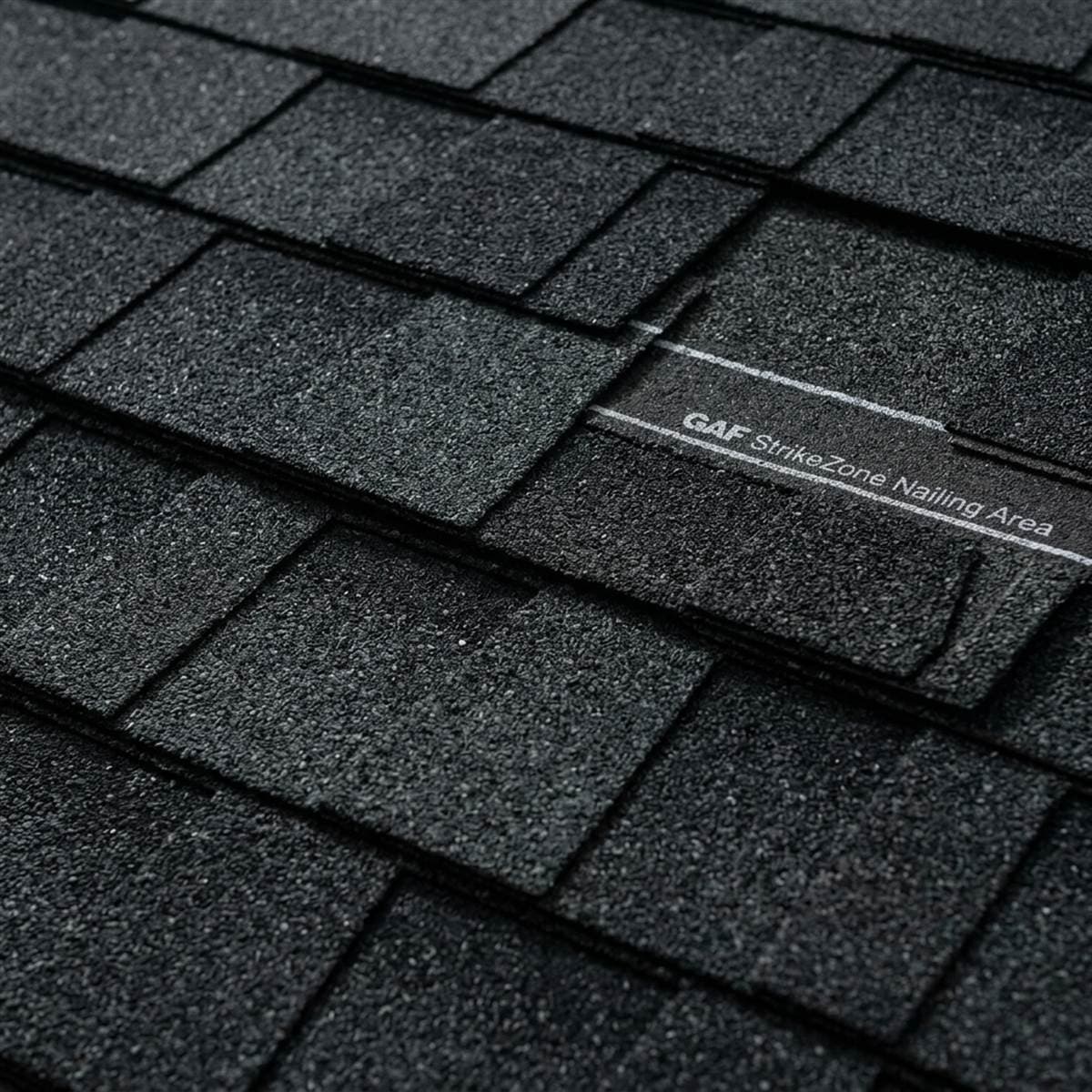
Commercial multi-family projects unlock extended manufacturer system warranties. Demand your contractor registers for manufacturer-backed warranties (like GAF or Owens Corning system protection). These cover both materials and labor limits for the entire association.
Interlinking Your HOA Strategy
Securing your association's properties requires installing systems that pass local structural codes and satisfy insurance underwriters. Want to drop association insurance costs? Read our guide on qualifying for insurance wind mitigation credits. Did a storm rip through your community? Understand insurance updates in Florida roof replacement insurance claims.
Discover our heavy-duty multi-family project capabilities. Visit our multi-family roof replacement services page. Contact our community liaisons to request a presentation at your next board meeting.
Check how HOA regulations affect your residential installation selections.
[!TIP] Planning a Roof Replacement? Use our interactive Florida Roof Replacement Cost Calculator to get an instant satellite measurement and pricing estimate for your property.
Local Service Areas & Regional Coverage
Diversified Roofing Solutions provides certified residential and commercial roofing services across South Florida and the Treasure Coast, including Palm Beach County, Martin County, Broward County, and St. Lucie County.
Navigating Architectural Review Boards (ARB) and Material Approvals
Replacing a roof inside a Florida Homeowners Association (HOA) requires brutal precision. You must satisfy strict community aesthetics while surviving the unforgiving Florida Building Code. Most HOAs deploy an Architectural Review Board (ARB) or Architectural Control Committee (ACC). They dictate allowable roofing materials, color palettes, and specific manufacturer profiles. Disobey these covenants? Expect daily fines, stop-work injunctions, and legally mandated tear-offs of unapproved materials.
The Challenge of Uniformity vs. Durability
Many older HOAs originally mandated specific concrete tile profiles or colors. Those products may no longer exist. Worse, they might fail modern high-velocity hurricane zone (HVHZ) impact ratings. You may face massive resistance if you try switching from traditional barrel tile to a highly resilient standing seam metal roof—even if the metal provides vastly superior wind uplift resistance. Diversified Roofing Solutions crushes this resistance. We deliver detailed material spec sheets, engineering data, and physical color samples to your HOA board. We prove that modern, resilient materials match the community's established aesthetic perfectly. This educational approach forces faster board approvals.
Streamlining the Approval Process
Do not trigger costly delays or fines. Homeowners must never sign a contract or schedule a tear-off without formal, written ARB approval. Our project management team builds your architectural submittal packages. We attend HOA board meetings. We guarantee all pulled permits align perfectly with the community's bylaws. We proactively tackle noise concerns, debris management, property boundaries, material staging, and project timelines. We execute a smooth, compliant roof replacement that protects your property value and your standing in the community.