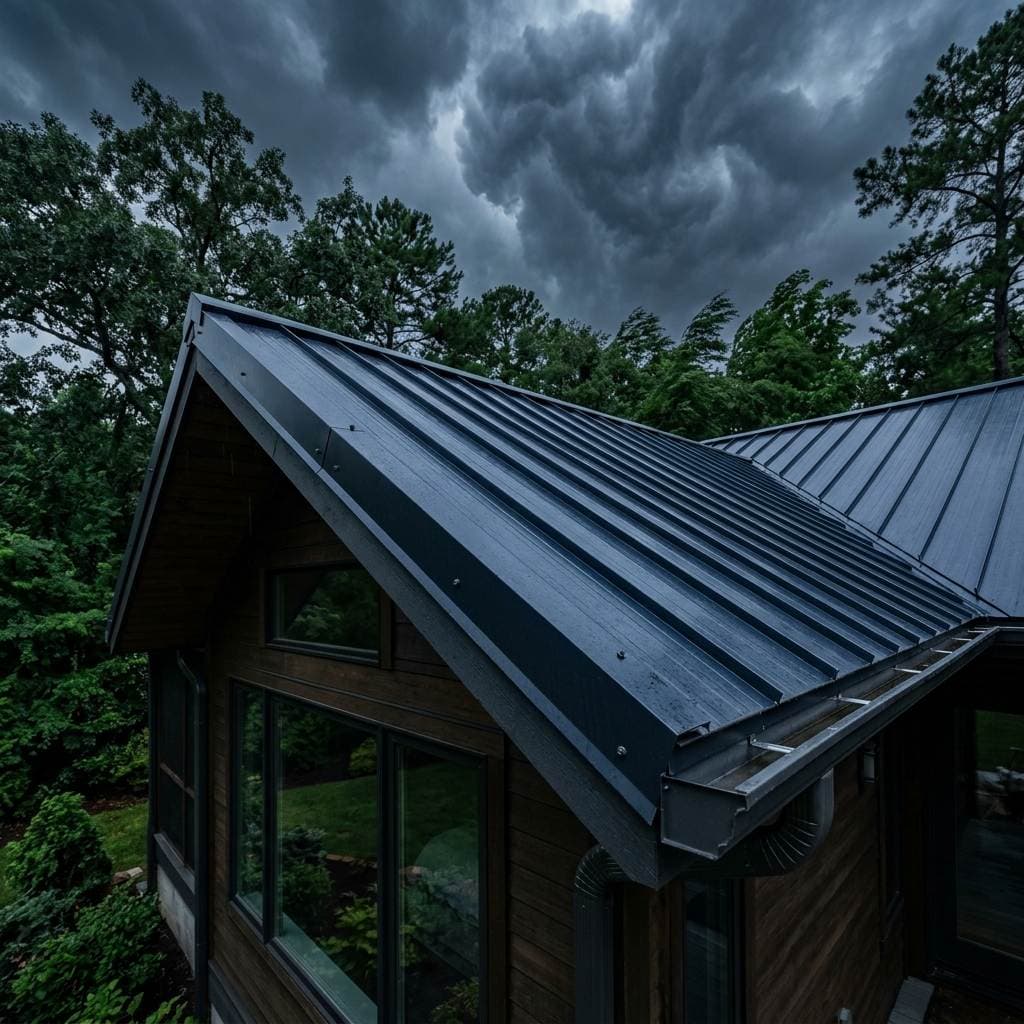
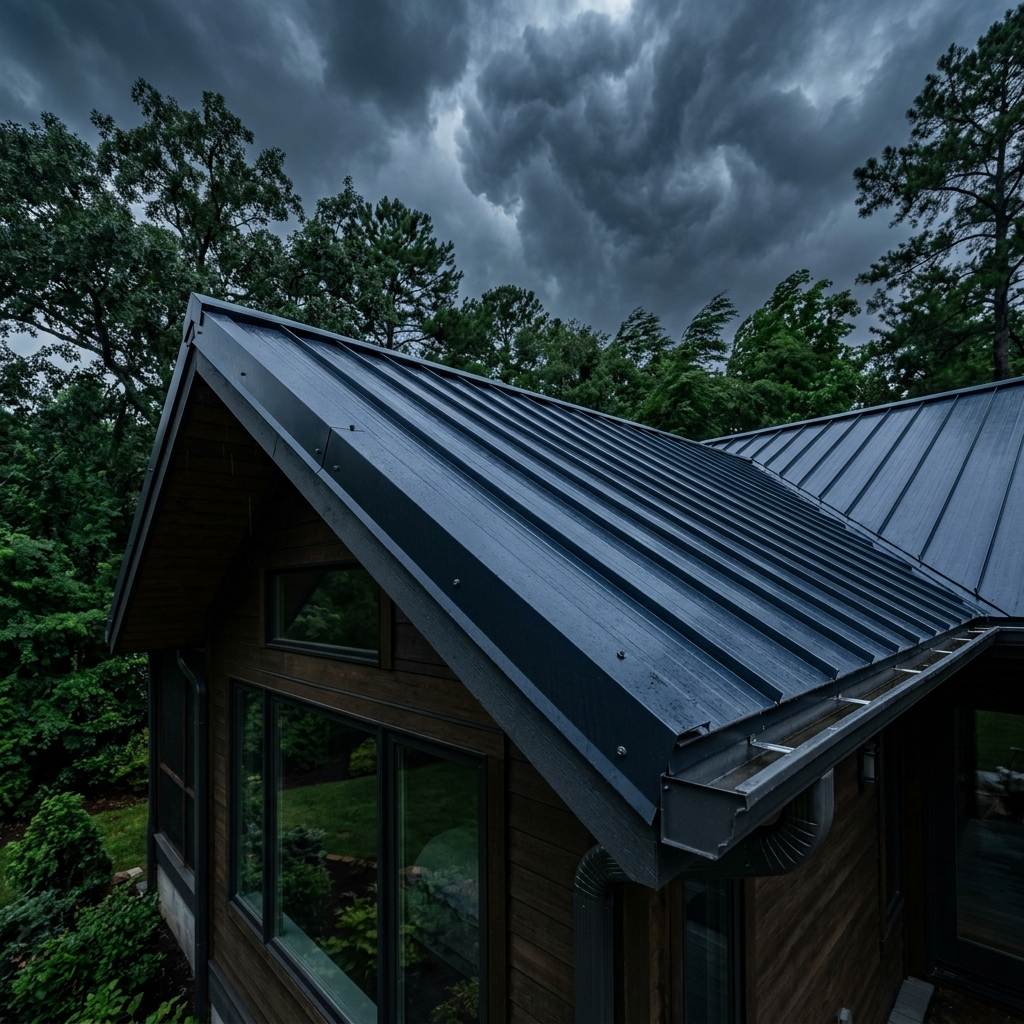
The Atlantic hurricane season officially terminates at the end of November. Your South Florida home may have survived the high winds and torrential downpours without suffering catastrophic damage. But do not celebrate yet. The brutal cumulative stress of the season always leaves behind dangerous hidden vulnerabilities.
Executing a post-hurricane season roof inspection is the single most critical maintenance task a homeowner can perform in Q4. Catching minor material fatigue right now prevents catastrophic water damage when the spring rainy season returns. Here is your ultimate post-season inspection checklist.
1. Inspect for Wind Uplift and Broken Seals
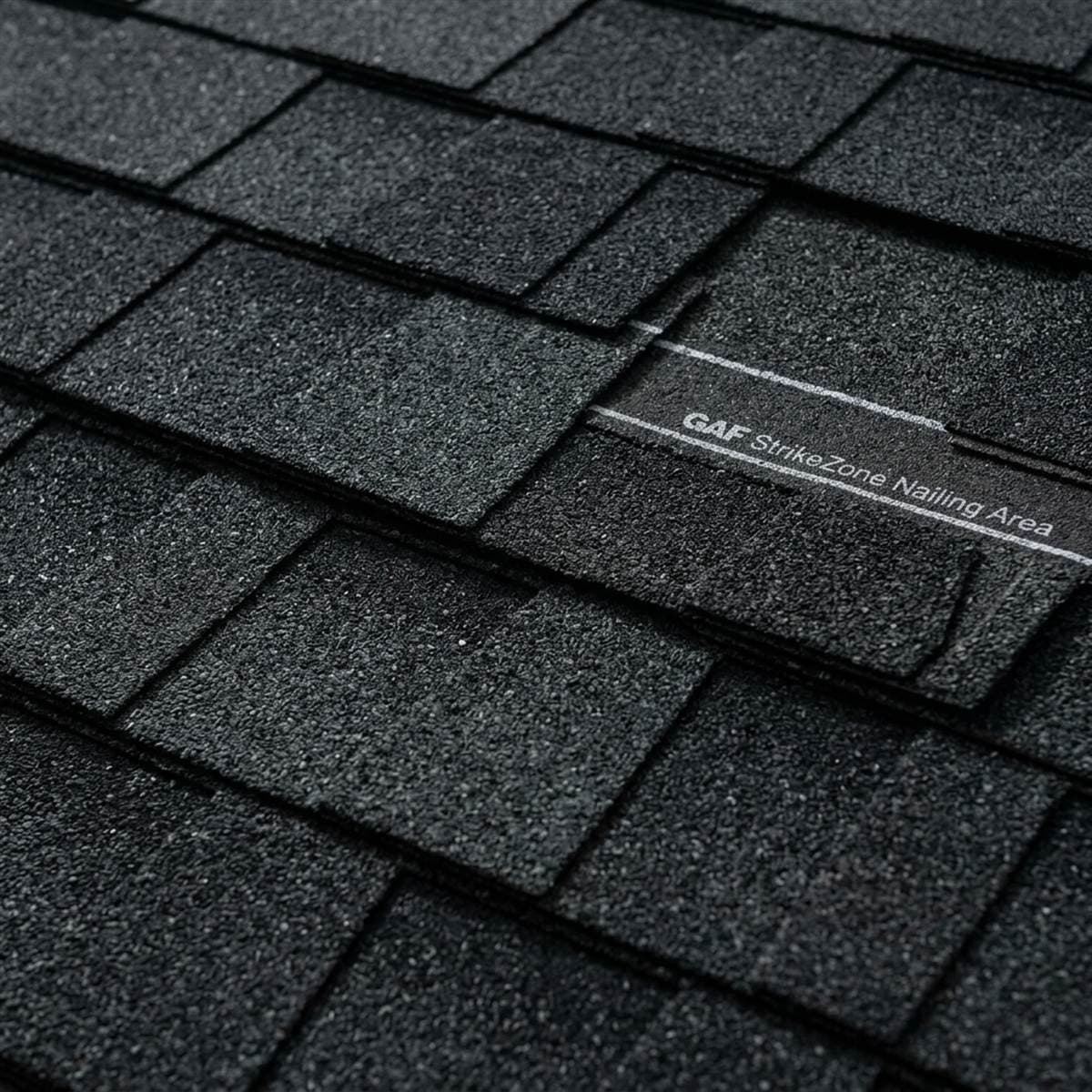
One of the most insidious forms of storm damage is wind uplift. High-velocity winds slam into a shingle roof and aggressively break the adhesive seal holding the shingles down. The shingles flap violently in the wind, bending and creasing heavily. But when the storm passes? They lay completely flat again.
From the ground, the roof looks absolutely perfect. However, that broken seal creates a massive liability. It allows wind-driven rain from the next minor storm to penetrate the underlayment deeply, triggering severe rot and interior leaks. A professional inspection manually checks the adhesion of shingles on the highly exposed windward slopes of your home.
2. Check for Micro-Fractures in Concrete and Clay Tiles
Tile roofs are incredibly durable. But flying debris like tree branches or patio furniture causes devastating hairline fractures that remain entirely invisible from the street. Over the course of the season, intense thermal shock (rapid heating and cooling) combined with subsequent heavy rains forces these micro-fractures to split wide open.
During a strict post-season inspection, experts walk the roof using proper weight-distribution techniques. We identify and replace cracked tiles fast before they compromise the waterproof underlayment resting beneath.
3. Clear Debris from Valleys and Gutters
The heavy winds of late summer aggressively strip leaves, pine needles, and small branches from surrounding trees. They deposit this trash directly into your roof valleys and gutter systems.
- Valleys: When organic debris accumulates heavily in roof valleys, it acts exactly like a sponge. It traps moisture directly against the roofing material and accelerates deterioration.
- Gutters: Clogged gutters force heavy water to back up aggressively under the drip edge, rotting out the fascia board fast.
Q4 is the absolute perfect time to have the roof blown clean and the gutters flushed hard to ensure unimpeded, rapid water flow.
4. Evaluate Flashing and Sealants
Violent vibrations from hurricane gusts pull metal flashing loose around chimneys, skylights, and plumbing stacks. At the same time, intense summer UV radiation bakes and cracks the mastic sealants sealing these critical joints.
A thorough post-season inspection demands checking every single linear foot of flashing. We aggressively re-seal any cracked or deteriorating caulk we find.
5. Attic Inspection: The Ultimate Truth Teller
The most telling part of a roof inspection doesn't happen on the roof at all—it happens in the dark. An inspector gets into the attic and checks the underside of the roof decking for:
- Water Staining: Dark spots on the raw plywood indicate an active, dangerous leak that simply hasn't reached your drywall yet.
- Daylight: Seeing sunlight bleed through the decking means there is a direct, open path for water to enter your home.
- Ventilation Flow: We ensure soffit and ridge vents are not blocked by shifted fiberglass insulation. This is critical for preventing massive mold growth during the cooler winter months.
Do not wait for a heavy leak to reveal hidden storm damage. Contact Diversified Roofing Solutions today. Schedule your post-hurricane season roof inspection immediately.