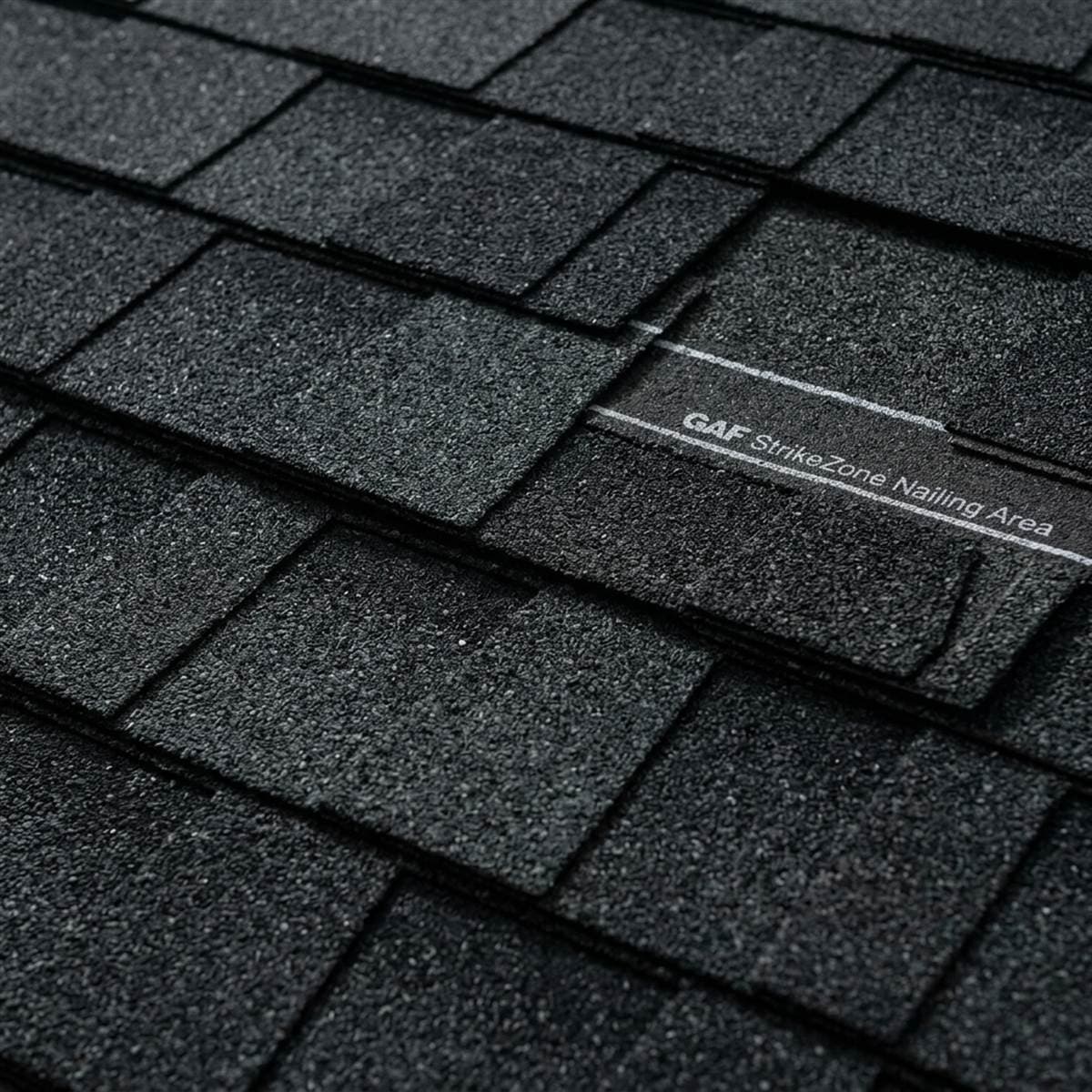
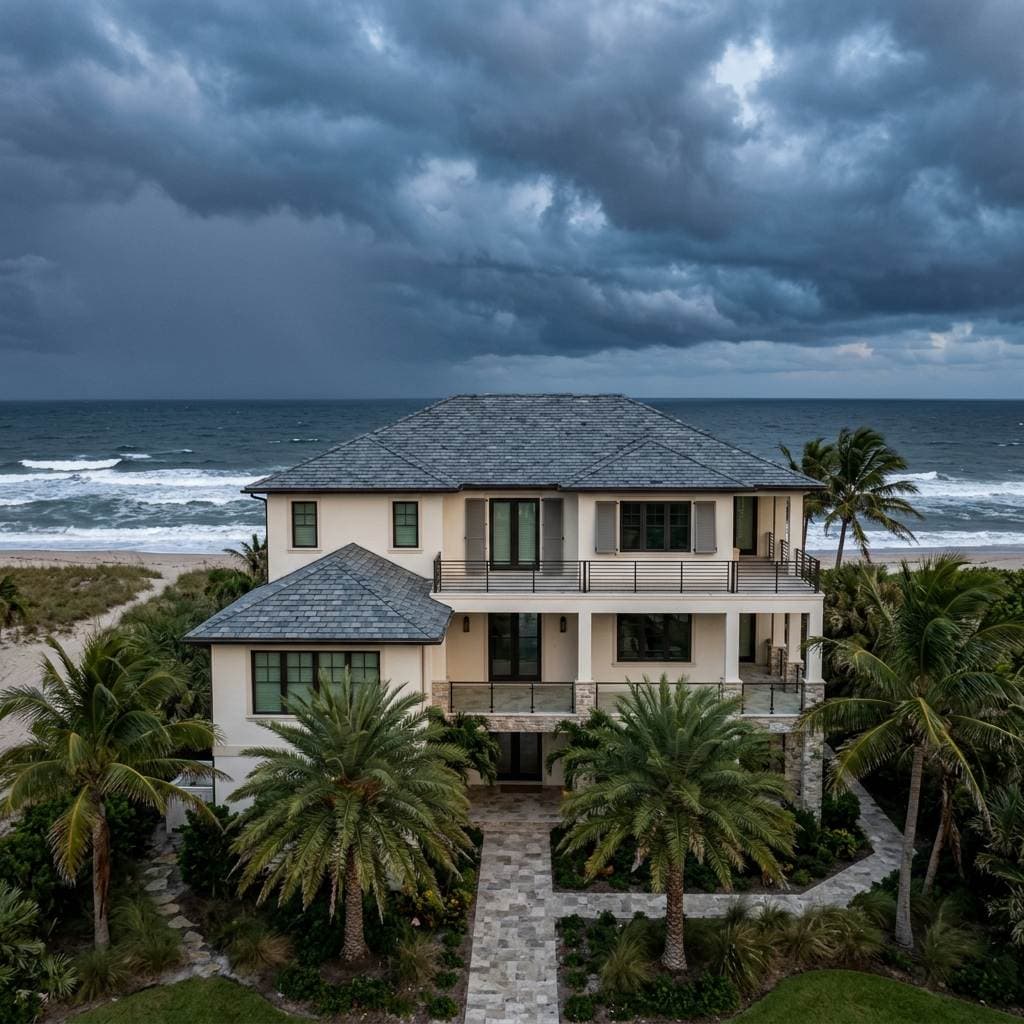
Waiting until a Category 4 hurricane enters the Bahamas before checking your roof is a recipe for disaster: contractor schedules are booked solid, supply houses are empty, and small unaddressed leaks turn into devastating ceiling collapses.
In South Florida, the official Atlantic hurricane season runs from June 1st through November 30th. However, seasoned property owners know the real battle is won in April and May. Conducting a thorough pre-storm roof inspection in Jupiter gives you the lead time needed to identify hidden vulnerabilities, repair loose flashings, and ensure your home is fortified before severe weather strikes.
Whether your home features asphalt shingles, barrel tile, or standing seam metal, this contractor-vetted hurricane season roof checklist for Florida will help you systematically inspect, fortify, and prepare your roof for hurricane season.
The 15-Minute Ground & Perimeter Walkthrough
You don’t need to climb a ladder to spot obvious structural red flags. Grab a pair of binoculars and walk the entire perimeter of your home, checking these five critical zones:
1. Perimeter Eaves and Drip Edge Flashings
During a tropical storm, wind uplift strikes the roof edges first. Inspect the metal drip edge along your eaves and rakes.
- Are metal flashings firmly fastened, or can you see gaps where wind could grab the edge?
- Is there separation between the metal edge and the first row of roofing material?
2. Gutter Pans and Downspout Drainage
Tropical downpours can dump 4 to 8 inches of rain in a few hours. Clogged gutters fill with heavy water, pulling away from fascia boards and forcing overflow water backward underneath your roof underlayment. Clear all pine needles, leaves, and debris from gutter troughs and confirm downspouts drain at least 5 feet away from your foundation.
3. Overhanging Tree Limbs
South Florida’s dense canopy of live oaks, palms, and sea grapes poses severe storm hazards. Trim back all tree branches located within 6 to 8 feet of your roofline. In 100+ MPH wind gusts, whipped tree branches act like battering rams against roof tiles and metal panels.
4. Ground-Level Tile & Shingle Clues
Examine your lawn, garden beds, and driveway for clues. Have you noticed broken tile corners, asphalt granules washing out of downspout splash blocks, or discarded plastic plumbing caps? These indicate active rooftop deterioration.
The Attic Crawl: Detecting Leaks Before They Reach Drywall
The underside of your roof deck reveals structural truths that remain invisible from the outside. Head into your attic on a bright, sunny afternoon with a high-powered flashlight:
┌─────────────────────────────────────────────────────────────┐
│                 PRE-STORM ATTIC INSPECTION PROTOCOL         │
├─────────────────────────────────────────────────────────────┤
│ [ ] Check plywood decking for dark water rings or mold      │
│ [ ] Inspect rafter-to-wall hurricane clips for active rust │
│ [ ] Look for pinhole daylight penetrations along ridges     │
│ [ ] Examine plumbing vent boots and exhaust fan ducting     │
│ [ ] Check insulation for dampness or crusty settling        │
└─────────────────────────────────────────────────────────────┘
- Dark Water Stains and Delamination: Inspect the plywood decking between rafters. Dark circular water rings or peeling wood veneer indicate slow underlayment leaks that will blow open under intense storm pressure.
- Rusted Hurricane Straps: Examine the metal hurricane clips anchoring your wooden roof trusses to the concrete tie-beam. If these structural ties are heavily corroded by attic humidity, their uplift holding strength is severely compromised.
- Daylight Infiltration: Turn off your flashlight and let your eyes adjust. If you see pinpoint beams of daylight shining through the decking near valleys or ridges, wind-driven rain will easily follow that exact path.
Material-Specific Vulnerabilities to Fortify
Different roof types possess unique storm vulnerabilities that must be addressed prior to June 1st:
| Roof System Type | Primary Pre-Storm Vulnerability | Risk During Hurricane Winds | Recommended Pre-Season Action |
|---|---|---|---|
| Concrete & Clay Tile | Cracked tiles & dried mortar caps | Wind catches loose tiles; airborne missiles | Re-point mortar; replace cracked field tiles |
| Asphalt Shingle | Unsealed thermal adhesive tabs | Wind peels shingles back; exposes deck | Hand-seal loose tabs with asphalt plastic cement |
| 5V Crimp Metal | Wallowed screw holes & rotted washers | Screws pull through metal; panel liftoff | Tighten or replace backed-out fasteners with oversized screws |
| Standing Seam Metal | Loose ridge cap or rake edge trim | Edge peels up, triggering panel unzipping | Check concealed clip tension and edge locking seams |
| Flat Membrane (TPO/BUR) | Ponding water & loose flashing seams | Water weight stresses deck; seam separation | Clear roof scuppers; reseal edge termination bars |
If your roof requires minor patching, review our guide on the Florida 25% roof repair rule to understand municipal permitting requirements.
Build Your Date-Stamped Insurance Defense File
One of the smartest pre-storm moves a Florida homeowner can make costs zero dollars: creating a pre-storm photo archive.
Following a major hurricane, insurance adjusters frequently claim that interior ceiling damage or missing roof coverings were the result of "pre-existing neglect and long-term wear and tear."
- Walk your property and photograph every roof slope from ground level.
- Take wide-angle photos of all interior ceilings in every room.
- Ensure your smartphone camera has location tags and date stamps enabled.
- Upload these files to a secure cloud drive (such as Google Drive or iCloud).
Having undeniable visual proof of a pristine, leak-free home dated May 2026 prevents insurance adjusters from lowballing or denying your storm claim.
Schedule a Professional Pre-Storm Roof Inspection
While visual ground checks are vital, nothing replaces a hands-on physical evaluation by a licensed Florida Certified Roofing Contractor.
A professional inspection identifies compromised secondary water barriers, loose ridge fasteners, and subtle wind-uplift weak points that remain invisible to the untrained eye.
Beat the late-summer storm rush. Contact Diversified Roofing Solutions in Jupiter at (561) 841-5676 to schedule your comprehensive professional roof inspection or residential roof repair service before hurricane season begins.