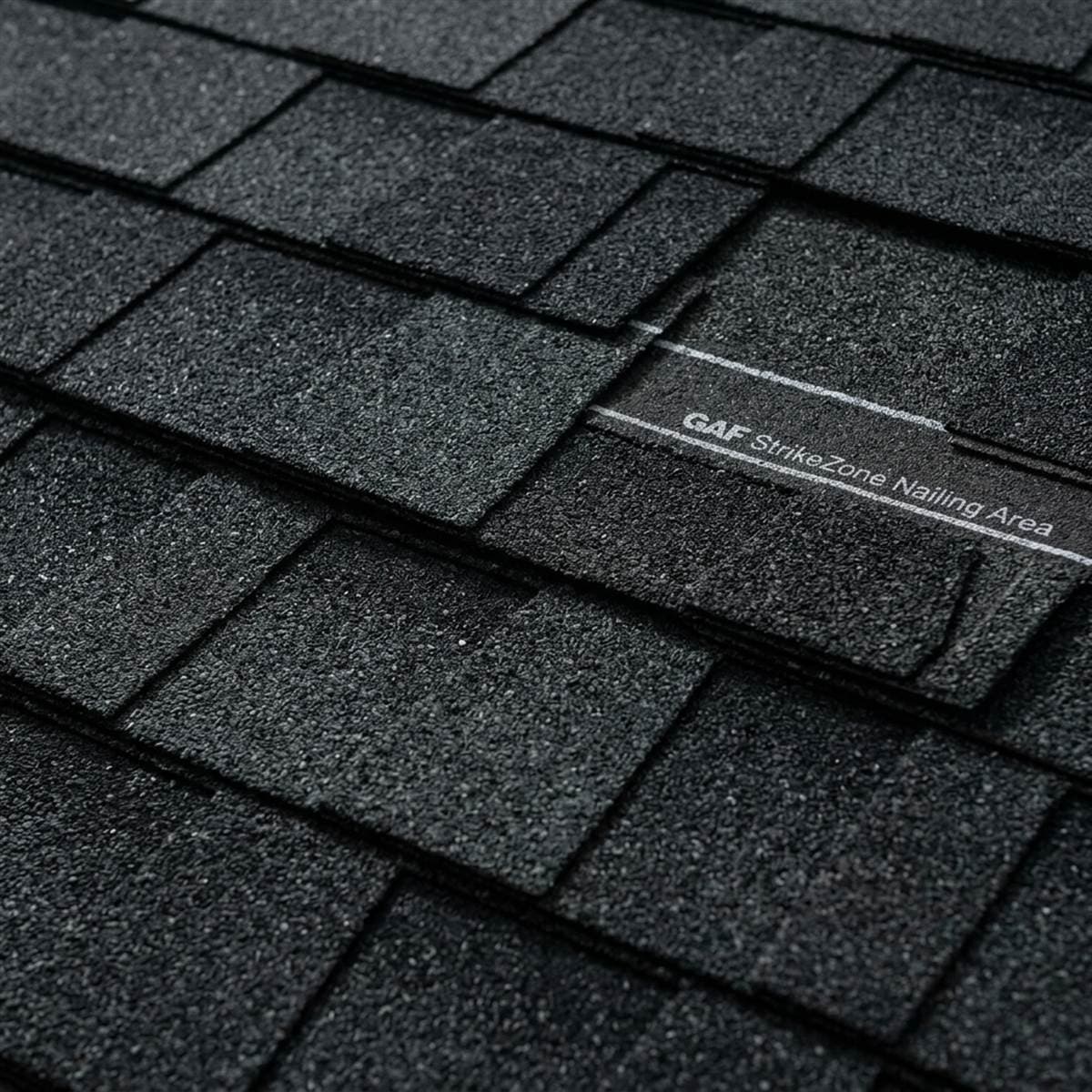
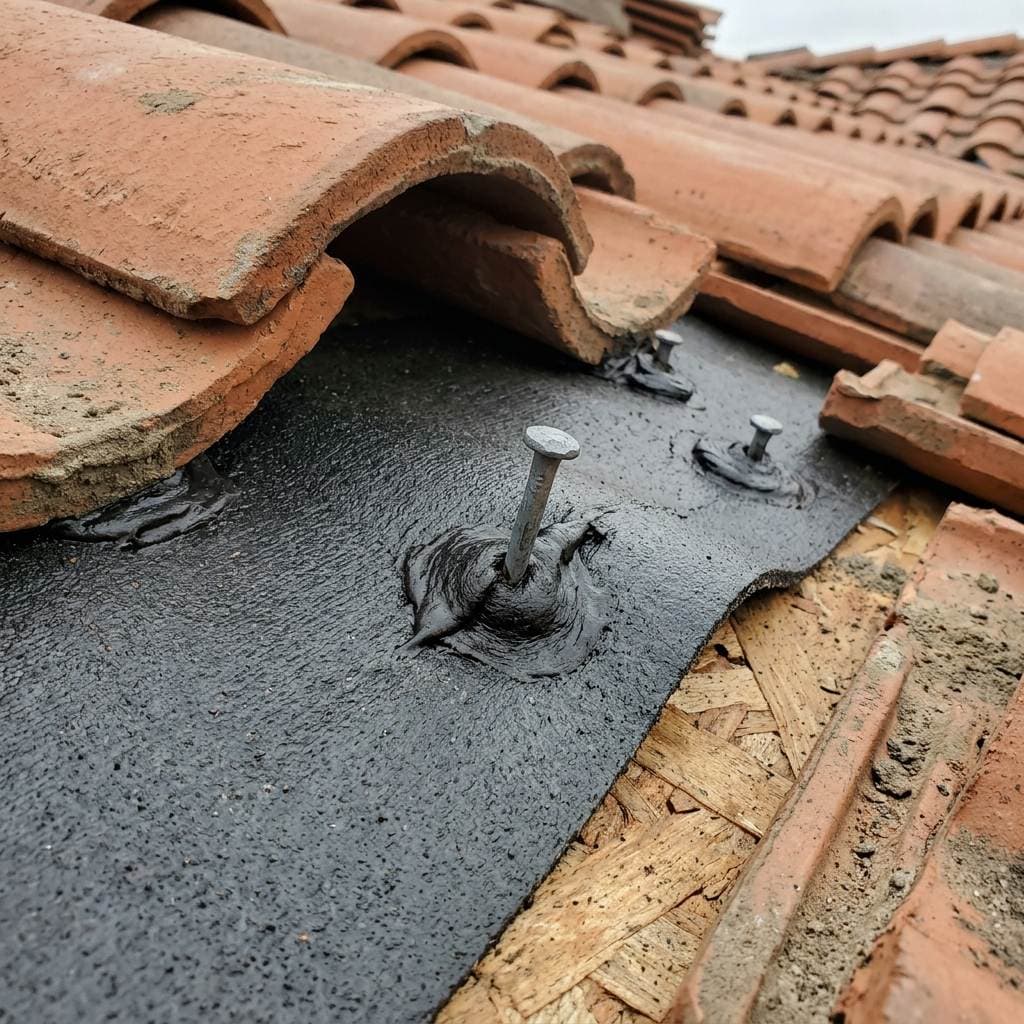
There is a hidden layer underneath your roof covering that could literally save your entire house during a Category 4 or 5 hurricane.
When high-velocity winds tear through South Florida, news footage always focuses on blown-off shingles, scattered barrel tiles, and twisted metal sheets. But what the cameras don't show is what happens five minutes after those outer coverings fly away.
In an unprotected home, wind-driven rain penetrates straight through the bare wood decking joints, pouring hundreds of gallons of water into the living room within minutes. In a fortified home, a secondary water barrier in Florida keeps the interior 100% dry and secure.
Below is your complete guide to understanding what Secondary Water Resistance (SWR) is, how it works, and why it is the single most valuable upgrade you can install on a Florida roof.
What Is a Secondary Water Barrier (SWR)?
In standard roofing construction, a roof is composed of three core defensive lines:
- Primary Covering: Shingles, concrete/clay tiles, or standing seam metal panels.
- Underlayment: The waterproof membrane beneath the covering.
- Decking: The 1/2-inch or 5/8-inch plywood sheets nailed to your rafters.
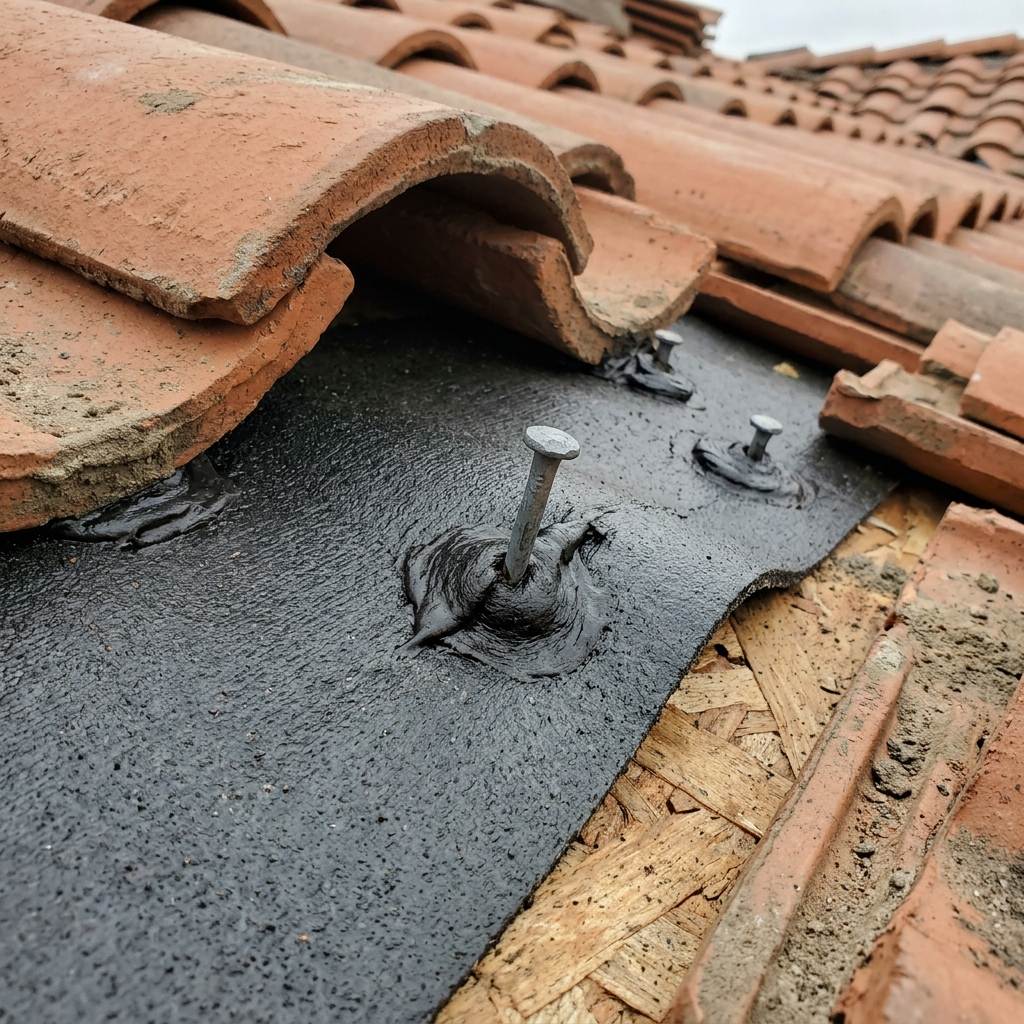
A secondary water barrier in Florida—officially classified by the Florida Office of Insurance Regulation as Secondary Water Resistance (SWR)—is a high-performance, self-adhering modified bitumen membrane (commonly called "peel-and-stick") applied directly over the wood decking.
Unlike traditional paper felt that is tacked down with thin plastic cap nails, peel-and-stick membranes feature an aggressive asphaltic adhesive backing that creates a continuous, vulcanized molecular bond to the wood deck.
The Big Test: Traditional Felt vs. Self-Adhering SWR in a Storm
To see why installing a secondary water barrier in Florida is a game-changer, look at what happens under extreme storm conditions:
| Comparison Metric | Traditional 30 lb Organic Felt | Self-Adhering SWR Peel-and-Stick |
|---|---|---|
| Deck Attachment Method | Mechanically fastened with staples/cap nails | 100% Chemically bonded directly to raw wood |
| If Outer Shingles Blow Off | Paper felt tears at nail points and blows away | Membrane remains fully glued to the deck |
| Nail Hole Sealing Capacity | Zero (water leaks freely around loose nails) | Self-healing elastomeric core seals around fasteners |
| Wind-Driven Rain Defense | Leaks easily through lap seams and nail tears | 100% Watertight monolithic barrier |
| Florida Heat Resistance | Bakes into brittle powder within 15–20 years | High-temperature rated up to 250°F+ (30+ yr lifespan) |
| Insurance Mitigation Discount | $0 (No SWR Credit) | Triggers Maximum SWR Credit (Form OIR-B1-1802) |
The Insurance Superpower: Section 3 Wind Mitigation Credit
Beyond catastrophic storm defense, a secondary water barrier SWR delivers immediate financial returns on your annual property insurance bill.
When a state-certified inspector fills out the Florida Uniform Mitigation Verification Form (OIR-B1-1802), Section 3 asks specifically:
"Does the property have a verified Secondary Water Barrier (SWR)?"
Checking "Yes" (Option A) on this section unlocks one of the largest statutory discount tiers on the windstorm portion of your Florida homeowners policy. For homes in Palm Beach, Martin, and Broward counties, this single checkbox can lower your Florida homeowners insurance by $800 to $2,000+ every single year on renewals.
My Safe Florida Home Grant Mandate
The State of Florida recognizes the immense value of SWR technology. Under the My Safe Florida Home funding initiative, installing a qualifying secondary water barrier is a mandatory core requirement to receive up to $10,000 in state matching grant funds.
The state will literally help pay for your roof replacement because they know homes with SWR rarely experience interior flood claims during hurricanes.
Why Quality Installation Matters
Peel-and-stick membranes are incredible technologies, but they demand meticulous deck preparation:
- Deck Cleanliness: The plywood deck must be swept 100% free of old tar, dust, and wood splinters so the adhesive bonds aggressively.
- Primer Application: On high-pitch or high-temperature slopes, a specialized asphalt primer must be rolled onto decking joints.
- Seam Compression: Installers must firmly roll the 4-inch overlap seams with steel hand rollers to guarantee an airtight seal.
Fortify Your Florida Home with Diversified Roofing Solutions
At Diversified Roofing Solutions (Lic #CCC1330205), we make high-temperature, self-adhering secondary water barriers standard on all our residential roof replacements and standing seam metal roofing installations across Jupiter, West Palm Beach, and Stuart.
Call (561) 841-5676 today or calculate your potential project investment using our interactive roofing cost calculator.
Frequently Asked Questions
What is a secondary water barrier (SWR) on a Florida roof?
A Secondary Water Barrier (also known as Secondary Water Resistance or SWR) is a self-adhering polymer-modified bitumen membrane applied directly to raw plywood roof decking. It forms a watertight seal over all seams and fasteners, preventing water from entering the home even if primary shingles, tiles, or metal panels blow off during a hurricane.
Is a secondary water barrier required by the Florida Building Code?
Yes. Under current Florida Building Code (FBC) provisions and High-Velocity Hurricane Zone (HVHZ) standards, all new roof replacements must include an approved sealed roof deck system, which is most effectively achieved using a direct-to-deck self-adhering modified bitumen underlayment.
Does a secondary water barrier lower homeowners insurance in Florida?
Yes. Having a verified Secondary Water Resistance (SWR) underlayment documented in Section 3 of Florida wind mitigation inspection Form OIR-B1-1802 triggers one of the highest percentage discounts on the windstorm portion of property insurance premiums.