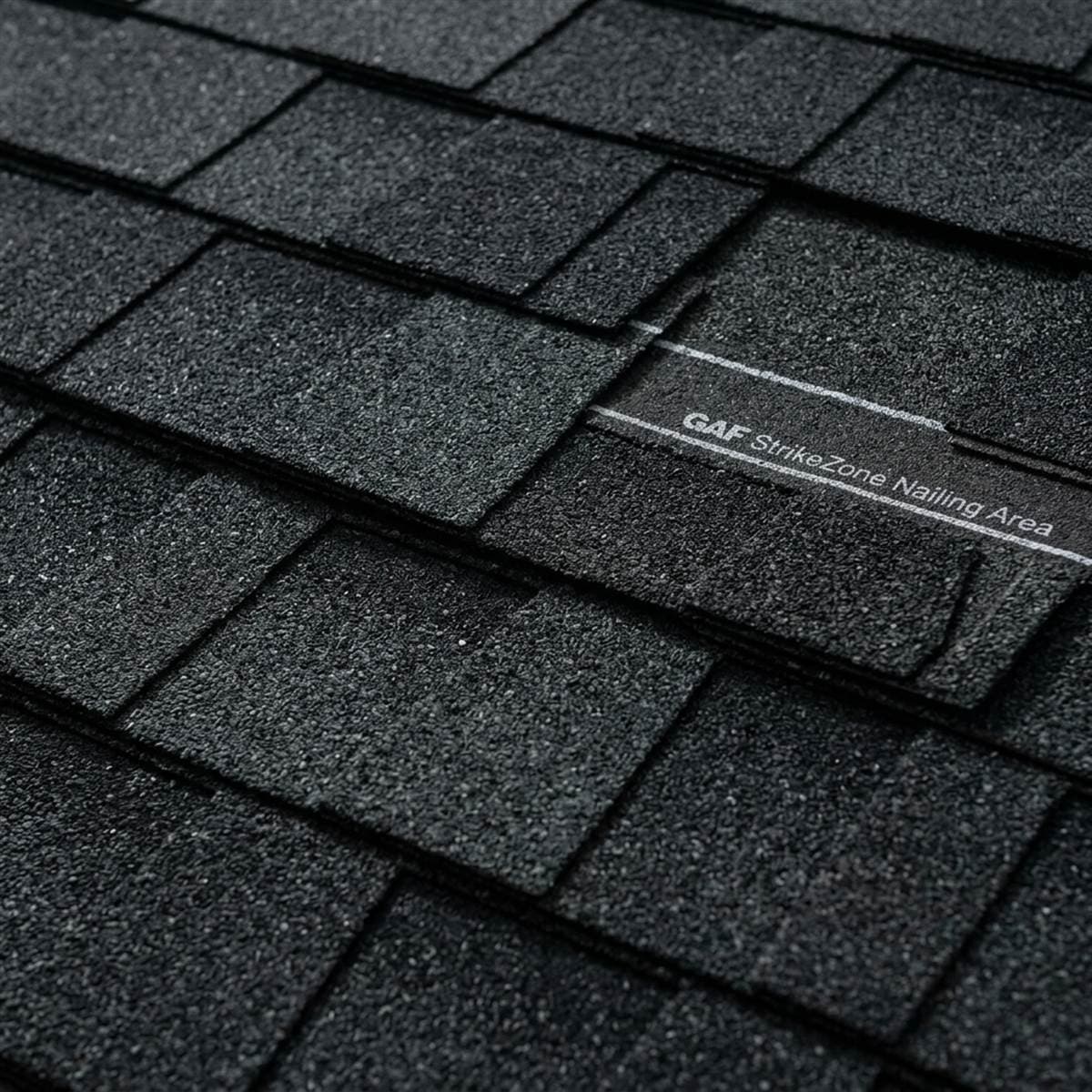
Can you save thousands of dollars on dumpster fees and labor by installing a new metal roof directly over your existing asphalt shingles in South Florida?
It is one of the most tempting questions homeowners ask our estimators. Tearing off an old roof is noisy, labor-intensive, and adds $2,000 to $4,000 to the initial estimate. In northern states, metal overlays are common. But when it comes to installing a metal roof over shingles in Florida, tropical storms, building codes, and insurance regulations change the calculus entirely.
While non-HVHZ sections of the Florida building code allow metal over shingle installations under specific conditions, doing so in coastal Palm Beach, Martin, or Broward counties is frequently a catastrophic financial mistake.
Below is your definitive contractor guide to Florida building codes, structural weight limits, insurance credit forfeiture, and why a direct-to-deck installation is the only way to protect your property.
What Does the Florida Building Code Say About Reroofing Over Shingles?
Under Section 706.3 of the Florida Building Code: Existing Building, the baseline rule for recovering an existing roof states:
"Roof recover shall not be permitted where the existing roof or roof covering is water soaked or has deteriorated to the point that the existing roof or roof covering is not adequate as a base for additional roofing."
Furthermore, Florida law imposes a strict two-layer maximum:
- Maximum of Two Layers: If your home already has two layers of roofing material, the building code strictly mandates a 100% complete tear-off down to the bare deck. No third layer is ever permitted.
- Single Layer Exception: If your home has only one existing layer of asphalt shingles, the code technically allows a metal recover in non-HVHZ areas—provided that 1x4 wood purlins (furring strips) or an approved underlayment separator is mechanically fastened through the shingles into the roof rafters.
The High-Velocity Hurricane Zone (HVHZ) Exception
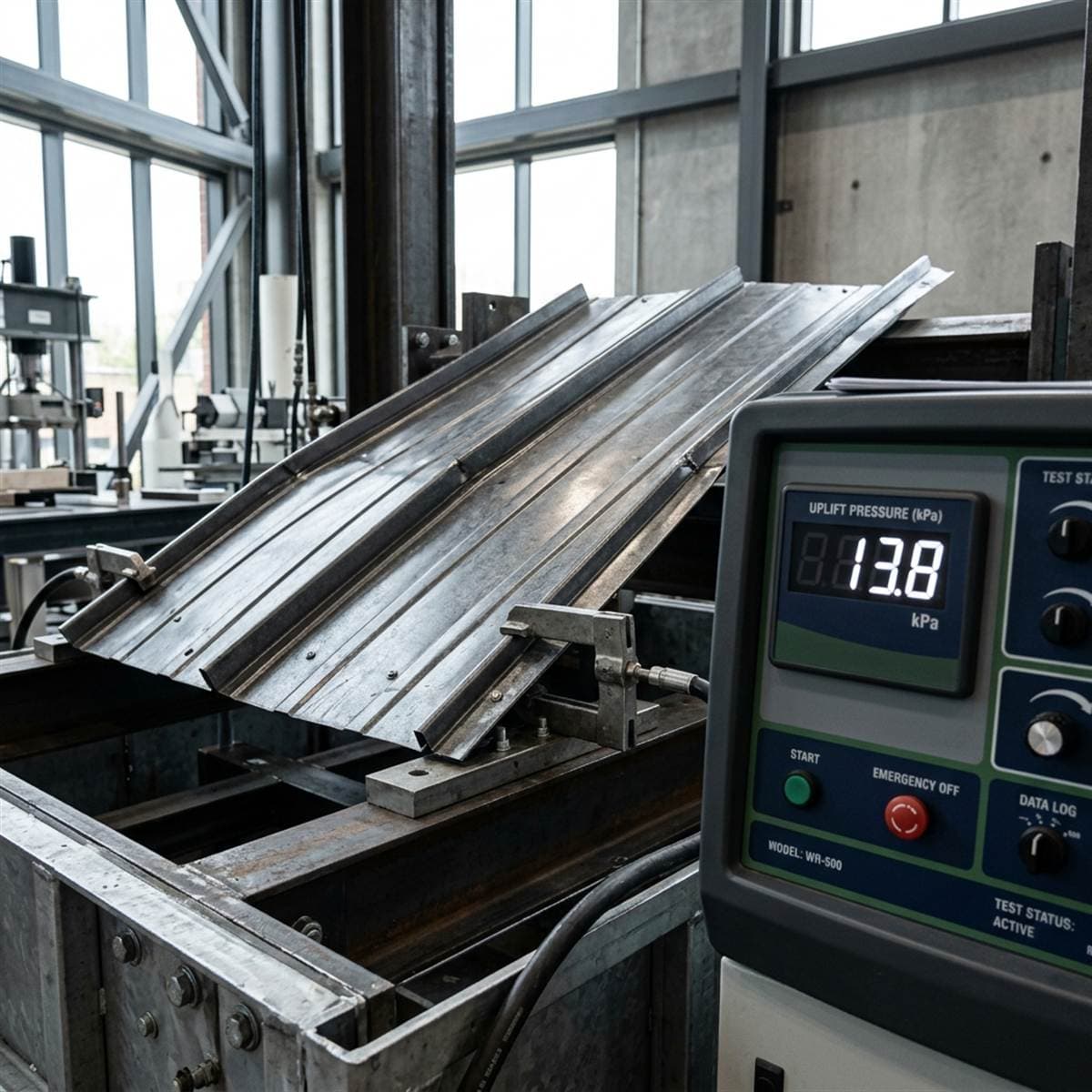
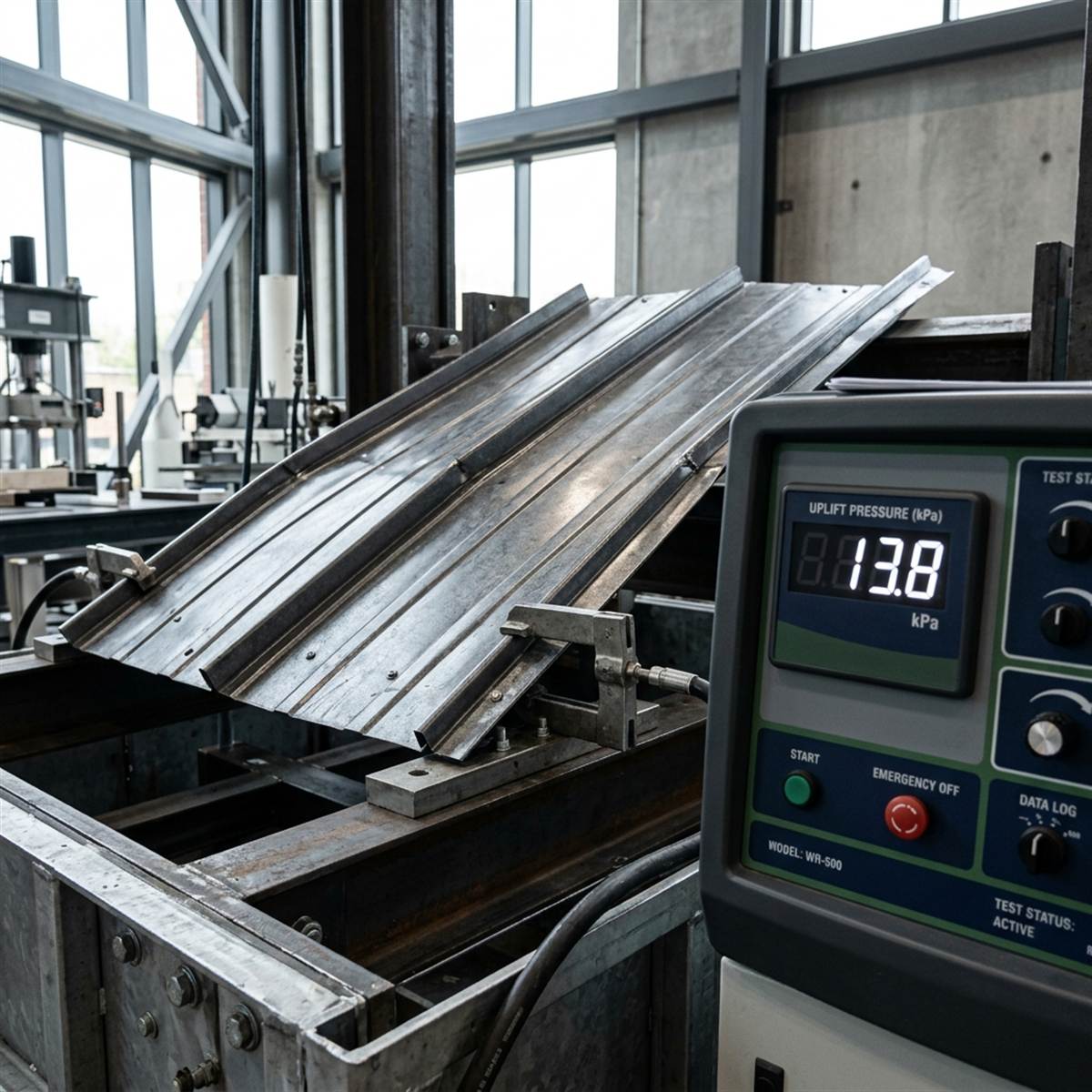
In South Florida’s High-Velocity Hurricane Zones (HVHZ)—and within the high-wind coastal corridors of Palm Beach and Martin counties—local building officials enforce much stricter standards. In coastal zones, building departments often reject permit applications for metal overlays over shingles because wind uplift engineering (TAS 125 compliance) cannot be certified over an unstable, flexible asphalt shingle substrate.
5 Hidden Dangers of Putting Metal Over Shingles in Florida
Even if an unlicensed or cut-rate contractor claims they can pull a permit for an overlay, doing so introduces severe structural vulnerabilities:
1. Inability to Inspect and Replace Rotted Wood Decking
This is the single biggest danger. Over 15 to 20 years in Florida’s humid climate, small unaddressed leaks around plumbing vents, valleys, and skylights cause localized plywood rot.
- If you install a metal roof over shingles, that rotted wood remains trapped underneath.
- When a Category 4 hurricane strikes with 140+ MPH suction winds, screws driven into soft, rotten wood will pull out, ripping the metal roof off the rafters.
- Learn more in our guide on how a $500 roof leak turns into a $20,000 structural disaster.
2. Forfeiting Maximum Wind Mitigation Insurance Credits
In Florida, having a new roof should lower your homeowners insurance premiums by 20% to 35%. However, to receive those credits on Wind Mitigation Form OIR-B1-1802, a certified inspector must verify:
- Deck Attachment (Category C): 8d ring-shank nails driven directly into the trusses at 6-inch spacing.
- Secondary Water Barrier (SWR): A self-adhering peel-and-stick membrane applied directly to the raw plywood substrate.
If metal is installed over old shingles, inspectors cannot see the deck, cannot verify nail sizes, and cannot check the SWR box. You save $2,000 on tear-off today, but lose $2,000 every single year in forfeited insurance discounts.
3. Trapped Heat and Condensation Moisture
Asphalt shingles absorb enormous amounts of solar heat. When metal panels are placed directly on top, the temperature in the trapped airspace can exceed 170°F. This extreme thermal sandwich bakes the old shingles, releases asphalt volatile chemicals, and creates condensation that promotes attic wood mold and truss corrosion.
4. Voided Manufacturer Paint & Performance Warranties
Major metal roofing manufacturers (including Drexel Metals, Sheffield Metals, and Petersen Aluminum) require their high-performance standing seam systems to be installed over approved, smooth underlayments applied directly to clean wood decking. Installing panels over rough, granular shingles voids the manufacturer’s 35-to-50-year non-prorated system warranty.
5. Uneven Surface and "Oil-Canning" Aesthetics
Asphalt shingles are dimensional and uneven. When sleek standing seam metal panels are screwed down over bumpy shingles, the panels telegraph the irregularities below. This creates an unsightly wavy distortion known in the roofing industry as oil-canning, ruining the architectural appeal of your home.
Direct-to-Deck vs. Metal Over Shingles Comparison
| Project Metric | Metal Installed Over Shingles (Overlay) | Direct-to-Deck Metal Installation (Complete Tear-Off) |
|---|---|---|
| Upfront Cost | Slightly lower (Saves $1,500–$3,500 in tear-off) | Standard professional investment |
| Structural Deck Inspection | IMPOSSIBLE (Hides rotted plywood & termite damage) | 100% VERIFIED (All rotten decking replaced) |
| Deck Re-Nailing to Code | NO (Deck cannot be re-nailed to 8d ring-shank) | YES (8d ring-shank nails @ 6" spacing, Cat C) |
| Secondary Water Barrier (SWR) | NO (Cannot install peel & stick over granules) | YES (Direct-to-deck self-adhering membrane) |
| Annual Insurance Premium Savings | Minimal / None (Fails key mitigation checkpoints) | Maximum 25% – 35% windstorm discount |
| FBC / HVHZ Wind Uplift Rating | 110 – 130 MPH (Questionable anchor grip) | 180 – 200+ MPH (Engineered storm defense) |
| Manufacturer System Warranty | Frequently VOIDED or severely restricted | 35 – 50 Year Full Manufacturer Warranty |
The Right Way: Direct-to-Deck Metal Installation
When investing in a premium standing seam metal roofing system, the only professional method is a complete tear-off:
- Strip to Bare Wood: Remove all existing shingles, paper felt, and rusted flashings down to the original plywood substrate.
- Structural Wood Repair: Inspect every square foot of decking, replacing delaminated sheets and rotted rafter tails.
- Modern Code Re-Nailing: Drive heavy 8d ring-shank nails every 6 inches along panel edges to guarantee maximum uplift resistance.
- Self-Adhered SWR Barrier: Install high-temperature, self-adhering modified bitumen underlayment directly onto the wood deck.
- Precision Standing Seam Fabrication: Form and snap continuous concealed-fastener panels secured with heavy-duty clips.
If your property is on the coast or facing strict HOA standards in Jupiter, Admirals Cove, or Palm Beach Gardens, explore our custom marine-grade aluminum roofing options for complete immunity to coastal salt spray.
Offset Costs with State Grants
Rather than cutting corners with a risky overlay, qualifying Florida homeowners can receive up to $10,000 in matching funds to cover tear-off and replacement through the My Safe Florida Home program.
Get the facts before making a five-figure roofing decision. Call Diversified Roofing Solutions in Jupiter at (561) 841-5676 to schedule an honest, comprehensive roof replacement inspection.