The 4 specific checkboxes on your Florida wind mitigation report could save you up to $3,000 every single year on property insurance.
With homeowners insurance premiums across Palm Beach, Martin, and Broward counties skyrocketing past $6,000 to $10,000 annually, Florida property owners are desperately seeking financial relief. What many homeowners do not realize is that the state legislature legally mandates insurance carriers to offer massive premium discounts for homes engineered to withstand tropical cyclones.
Those discounts are verified through a single document: the Florida Uniform Mitigation Verification Inspection Form (Form OIR-B1-1802).
Securing maximum Florida wind mitigation inspection credits is the fastest, most effective way to lower Florida homeowners insurance premiums. Below is an insider breakdown of Form OIR-B1-1802, the four critical roof sections that trigger the biggest discounts, and how to verify your savings.
What Is Form OIR-B1-1802 and Why Is It Legally Binding?
Under Florida Statute § 627.711, licensed property insurance carriers operating in the state must provide actuarially approved premium discounts to homeowners who harden their properties against hurricane wind damage.
To standardize this process, the Florida Office of Insurance Regulation established Form OIR-B1-1802. When a licensed roofing contractor (License #CCC1330205), engineer, or certified home inspector inspects your home, they evaluate seven structural categories. The results are submitted directly to your insurer to adjust your annual premium.
Because windstorm coverage represents 60% to 75% of your total property insurance bill in South Florida, maximizing your OIR-B1-1802 roof discounts produces immediate, substantial savings.
The 4 Critical Roof Checkboxes on Form OIR-B1-1802
While the form evaluates windows and doors, more than half of the total available credits are tied directly to your roof assembly. Here are the four sections that make or break your insurance savings:
┌─────────────────────────────────────────────────────────────┐
│ 1. SECTION 2: ROOF COVERING (FBC 2001+ / HVHZ Approval)    │
├─────────────────────────────────────────────────────────────┤
│ 2. SECTION 3: ROOF DECK ATTACHMENT (8d Nails Spaced 6" OC)  │
├─────────────────────────────────────────────────────────────┤
│ 3. SECTION 4: ROOF TO WALL ATTACHMENT (Clips or Wraps)      │
├─────────────────────────────────────────────────────────────┤
│ 4. SECTION 6: SECONDARY WATER RESISTANCE (Peel & Stick SWR) │
└─────────────────────────────────────────────────────────────┘
1. Section 2: Roof Covering (FBC Compliance)
- The Question: Was your roof installed in compliance with the Florida Building Code (FBC) 2001 or later, with a valid Florida Product Approval number?
- The Checkbox You Need: Level A (FBC Equivalent).
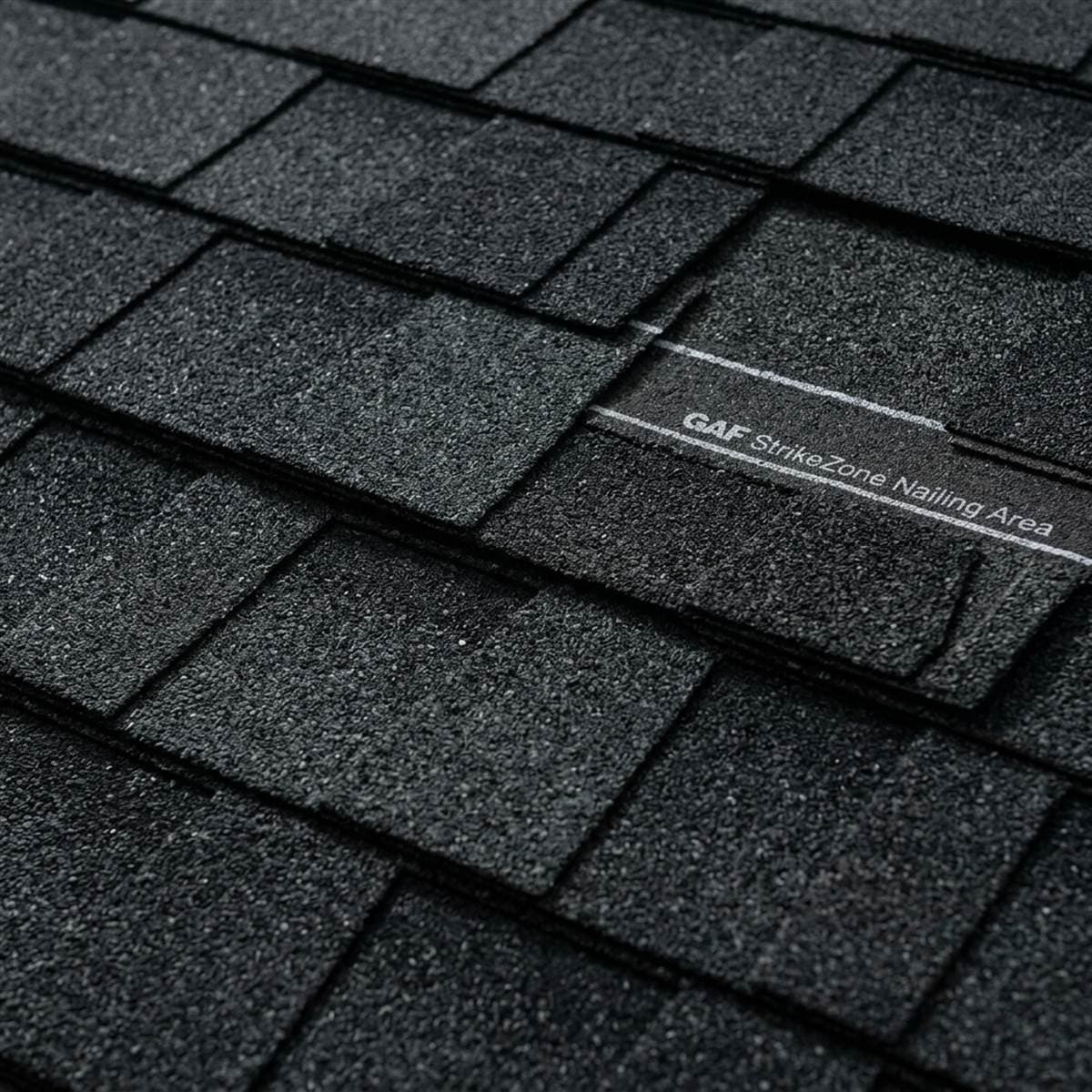
- Why It Matters: Roofs installed prior to the 2001 code update receive zero credit. Installing modern dimensional architectural shingles, concrete/clay tile systems, or standing seam metal roofing automatically checks this box.
2. Section 3: Roof Deck Attachment (Fastener Size & Spacing)
- The Question: How is your plywood or OSB roof decking secured to the wood roof trusses below?
- The Checkbox You Need: Category C (8d ring-shank nails @ 6-inch spacing).
- The Common Failure: Older homes frequently have smooth-shank 6d nails or staples spaced 12 inches apart (Category A), which have weak uplift resistance. During a roof replacement, our crews re-nail the entire deck with heavy 8d ring-shank nails every 6 inches along panel edges, upgrading you to Category C for a major premium discount.
3. Section 4: Roof to Wall Connection (Hurricane Straps vs. Toe-Nails)
- The Question: How are your roof rafters connected to your exterior masonry or wood tie-beam?
- The Hierarchy of Discounts:
- Toe-Nail (Category A): 3 nails driven at an angle. Provides virtually zero insurance credit.
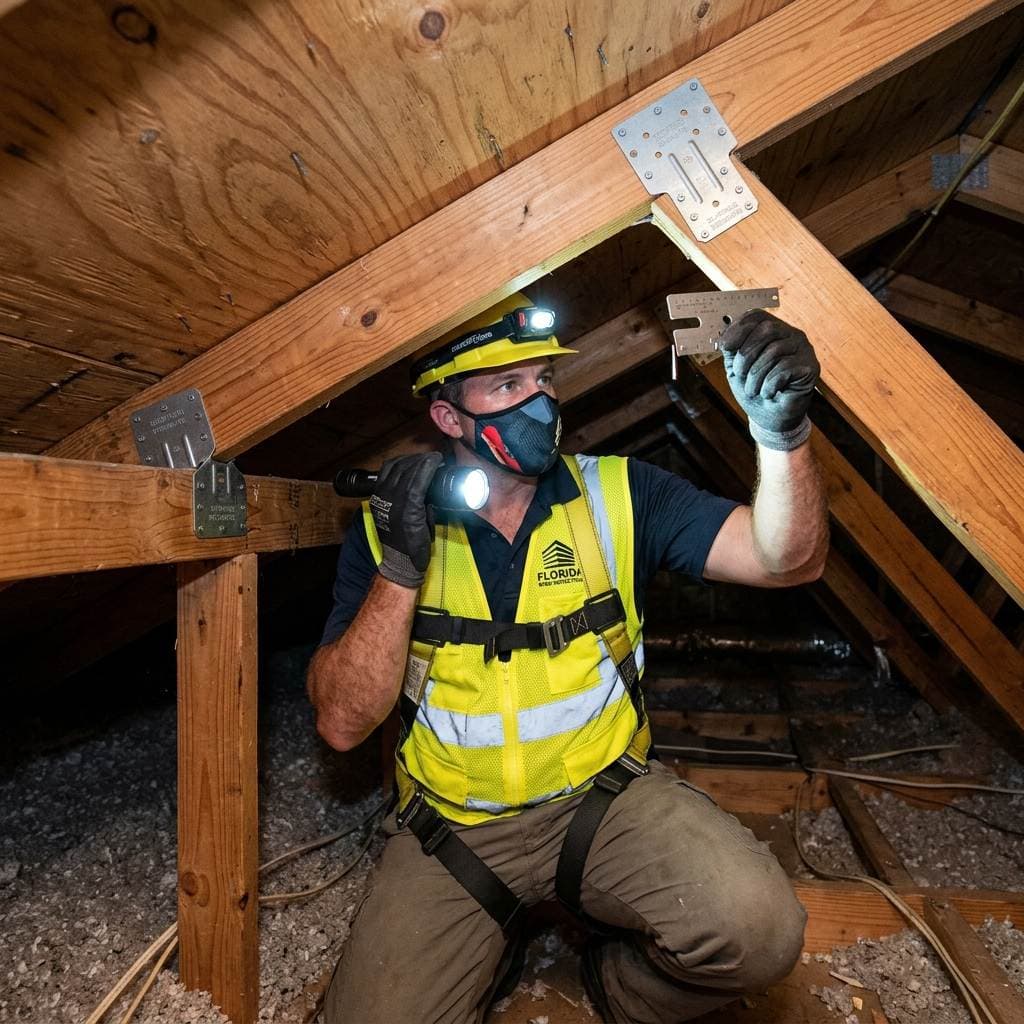
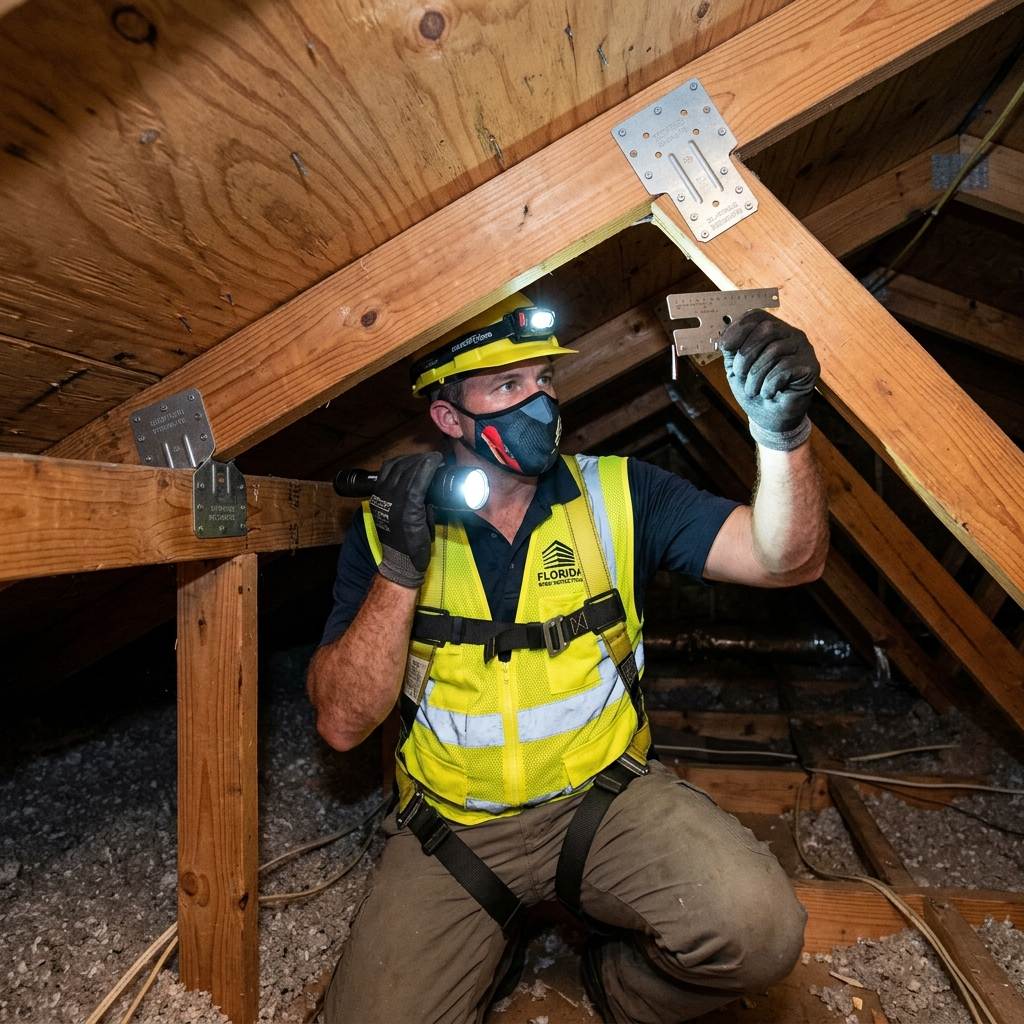
- Clips (Category B): Metal connectors secured with at least 3 nails into the truss and wall. Delivers moderate to high discounts.
- Single Wraps (Category C): Heavy-gauge metal straps that wrap completely over the top of the truss. Delivers maximum discounts.
- Why It Matters: Homes built before 1995 often have toe-nails or corroded clips. Upgrading these connections during reroofing or via attic retrofitting is one of the highest-ROI investments you can make.
4. Section 6: Secondary Water Resistance (SWR Membrane)
- The Question: Is there a self-adhering modified bitumen polymer barrier installed directly to the wood decking beneath your outer covering?
- The Checkbox You Need: SWR (Yes).
- Why It Matters: This is the single most valuable line item on the inspection form. Installing a direct-to-deck secondary water barrier peel-and-stick underlayment guarantees that if Category 4 winds tear off outer shingles or tiles, water cannot enter the living space. Insurers reward this with a direct 10% to 18% premium slash.
Real-World Premium Savings: Form OIR-B1-1802 in South Florida
Below is a typical savings breakdown for an average 2,500 sq. ft. single-family home in Palm Beach County with an initial annual premium of $6,800:
| Inspection Feature / Category | Before Upgrade (Older Roof) | After Upgrade (New FBC Roof) | Estimated Annual Premium Savings |
|---|---|---|---|
| Roof Covering | Non-FBC (Pre-2002) | FBC Approved (HVHZ Rated) | $650 – $900 / year |
| Roof Deck Attachment | 6d Nails @ 12" (Cat A) | 8d Ring-Shank @ 6" (Cat C) | $450 – $750 / year |
| Secondary Water Barrier (SWR) | None (Standard Felt) | Self-Adhering Peel & Stick | $700 – $1,200 / year |
| Roof to Wall Ties | Minimal Toe-Nailing | Engineered Hurricane Clips | $500 – $950 / year |
| Combined Estimated Annual Savings | $0 Discount | Full Credit Tier | $2,300 – $3,800 / year |
Over a 5-year inspection period, these credits return $11,500 to $19,000+ directly to your pocket.
How to Get Your Wind Mitigation Credits Applied
- Schedule an Inspection: After completing a residential roof replacement or structural retrofit, schedule an official wind mitigation inspection.
- Verify Contractor Documentation: A licensed contractor (CCC1330205) must provide photo proof of nail sizes, spacing, underlayment labels, and rafter clips taken during the dry-in phase.
- Submit Form OIR-B1-1802 to Your Insurance Agent: Your carrier must adjust your policy rate and issue a pro-rated refund check for the remaining policy term within 30 to 45 days.
- Pair with State Grants: Qualified homeowners can also apply for up to $10,000 in matching funds through our state-approved My Safe Florida Home grant services.
To find out how your current roof scores on Form OIR-B1-1802, contact Diversified Roofing Solutions in Jupiter at (561) 841-5676 for a certified wind mitigation consultation.