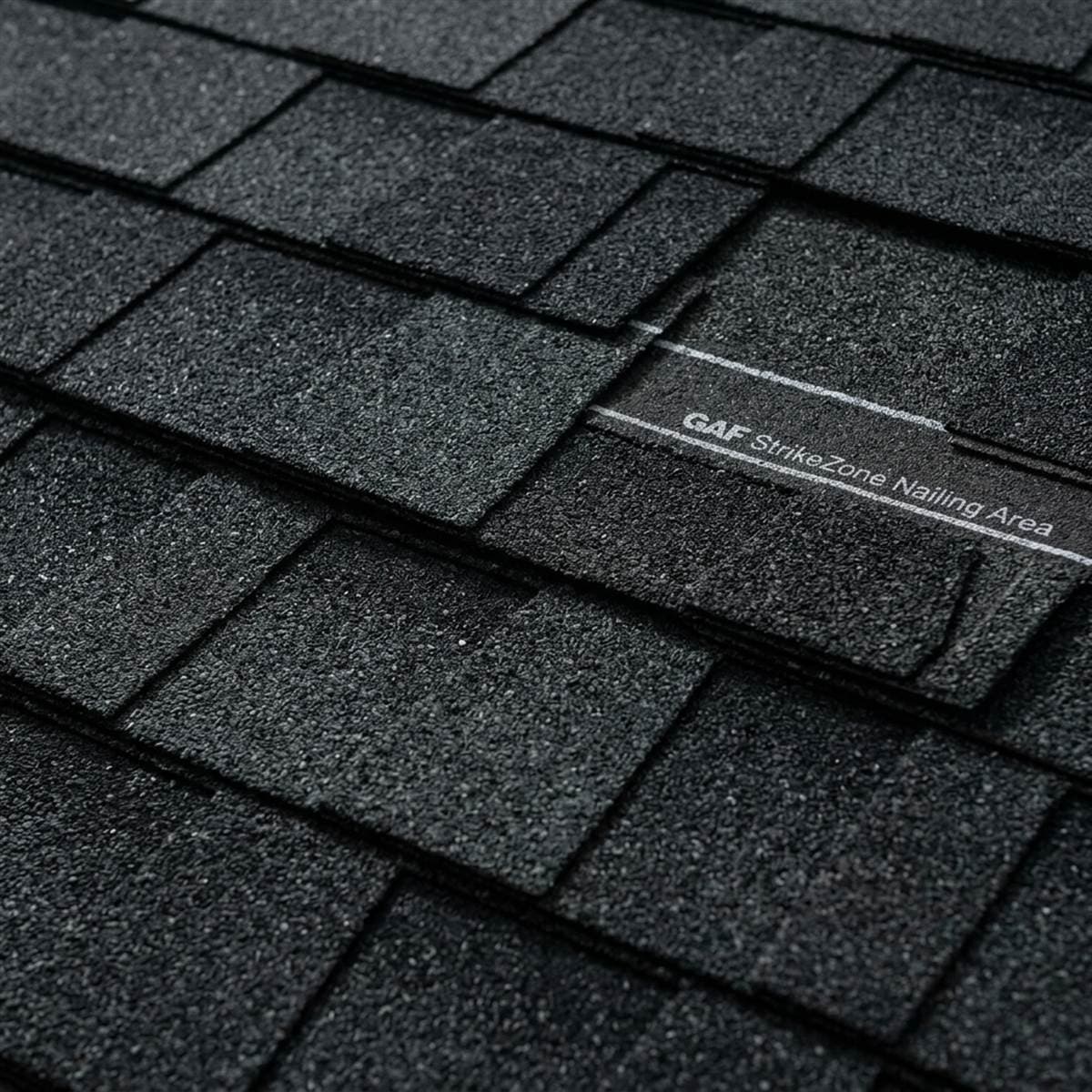
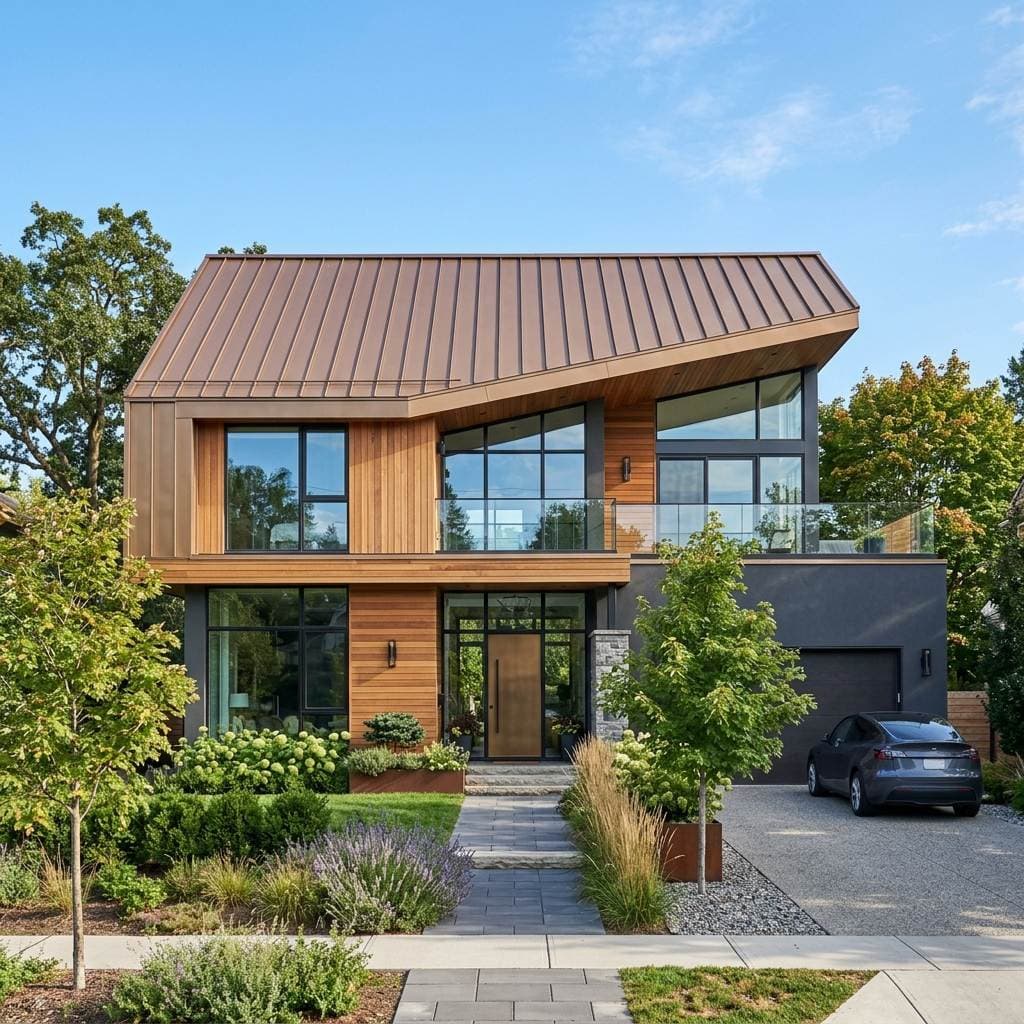
Picking a new roof system? Exploring residential metal roofing styles is step one toward jacking up your home's curb appeal and locking down serious weather protection. Metal is taking over as the ultimate material for premium South Florida installations. Manufacturers know this, and they have blown their catalogs wide open. You aren't stuck with ugly industrial panels anymore. Let's break down standing seam versus modular metal roofing panels. We compare the raw wind resistance, the hard costs, and the aesthetic styles to help you find the absolute best fit for your home.
Understanding Standing Seam metal roofing
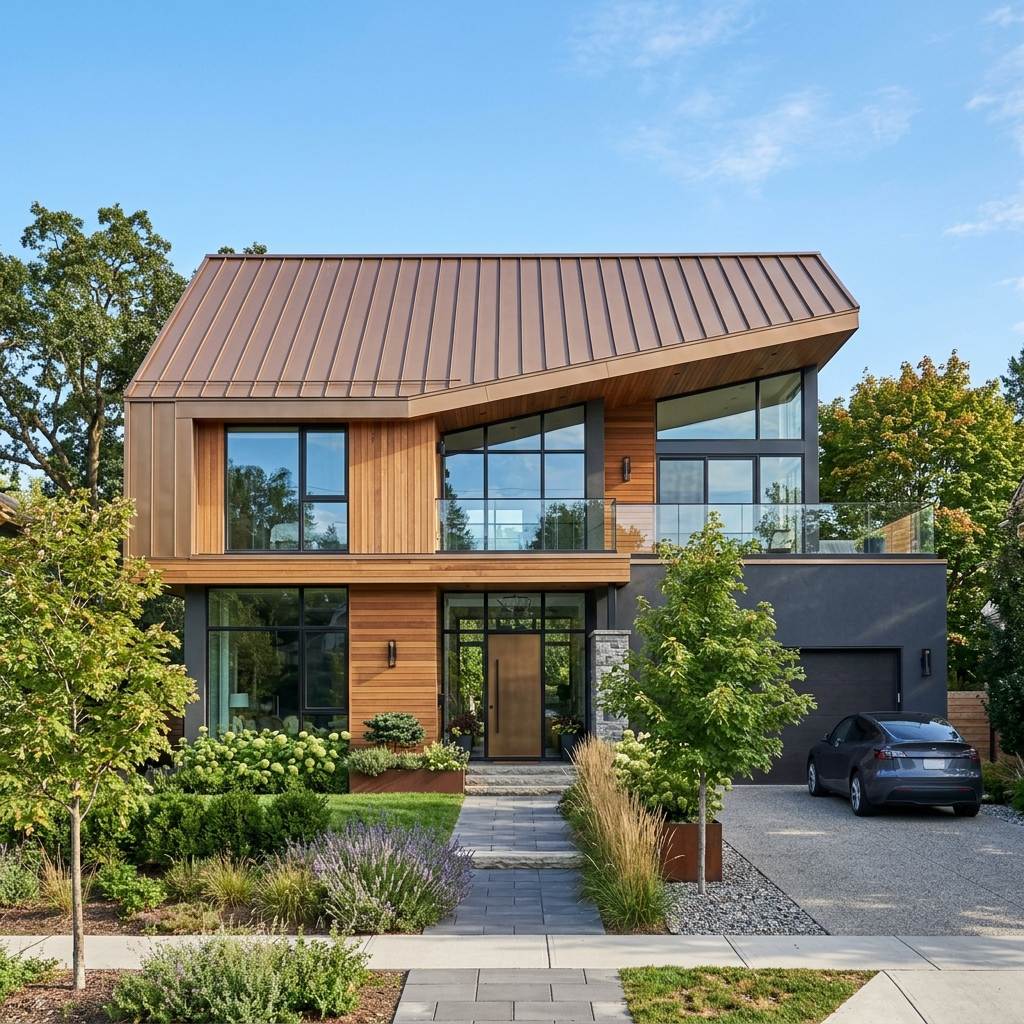
The undisputed king of residential metal roofing is standing seam. Look at the design. It features long vertical steel panels joined by raised seams that sit high above the drainage plane. Those panels run in one continuous sheet straight from the ridge down to the eaves. We secure them using concealed sliding clips.
You have two primary standing seam options: snap-lock and mechanically seamed. Snap-lock panels literally snap together during the installation. This drastically cuts labor time and saves you money. But if you live directly on the coast? You want mechanically seamed systems. Our crews crimp these together using a specialized electric seaming tool. This creates a watertight, locked joint that delivers the highest wind resistance possible in hurricane-prone zones. We lock these mechanically seamed panels down with heavy-duty clips that let the metal breathe and slide back and forth as temperatures spike. This expansion clearance is non-negotiable. It prevents the panels from buckling or oil-canning under South Florida's brutal heat. Without it, you get seam fatigue and eventually, leaks. Because the design hides every single screw, standing seam delivers clean lines and a razor-sharp modern appearance. It is the absolute gold standard for storm protection. It carries wind ratings up to 160 mph and laughs off water intrusion during severe sideways rain.
Exploring Modular metal roofing Shingles
Don't want the ultra-modern look? For homeowners who demand a traditional aesthetic, modular shingles are the perfect answer. These stamped steel panels perfectly mimic the texture and shape of high-end slate, wood shakes, or Spanish clay tiles. Forged from galvanized steel or aluminum, modular steel tiles give you the luxury look of clay without sacrificing the bulletproof strength of metal roofing.
Manufacturers stamp these products from massive coiled steel sheets using heavy hydraulic dies. That intense stamping process creates hyper-realistic textures, wood grain patterns, and deep shadow lines that match the architectural charm of older neighborhoods perfectly. During manufacturing, each modular panel takes a beating. It gets a multi-layered coating process—a zinc-galvanized layer, a thick corrosion-resistant primer, a premium PVDF color coat, and a clear protective topcoat. This heavy armor ensures the steel fights off salt spray degradation and physical scratching. That protective layer guarantees the finish stays bright and fresh for decades. Because our crews install them in tight interlocking grids, they deliver elite Class 4 impact protection and massive wind resistance while keeping your house looking classically beautiful.
Aesthetic Variations of metal roofing Styles
Picking the right metal roofing style comes down to your home's bones. Standing seam panels look incredible on contemporary, mid-century modern, or rustic farmhouse builds. The vertical lines force a sleek, uniform look that pulls bold siding colors together perfectly.
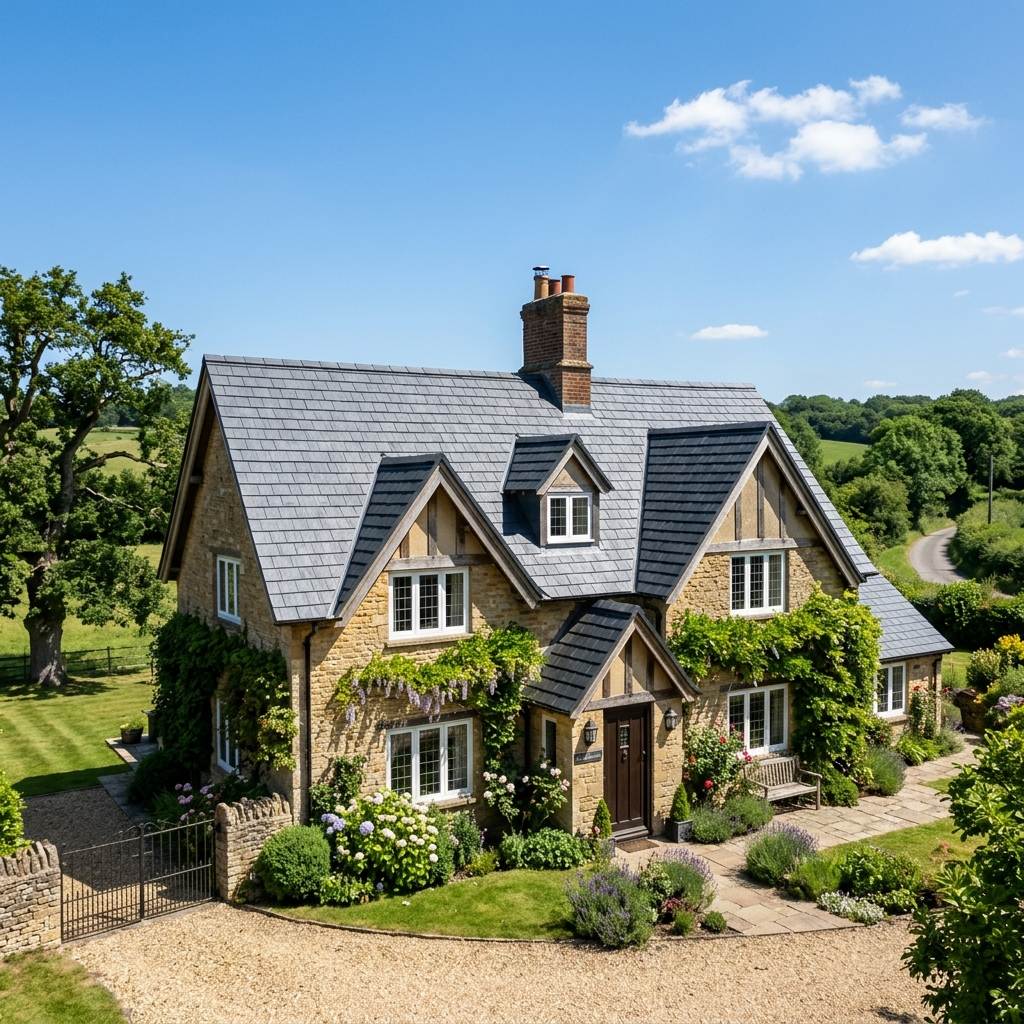
Conversely, modular shingles are built for traditional Craftsman, Tudor, or Mediterranean-style homes. The factories finish them with high-performance PVDF paint coatings that copy the natural color variations of real slate and cedar. This makes modern metal roofing insanely customizable. But don't forget color strategy. Light colors—white, silver, or light bronze—violently reflect solar energy. They drastically drop your home's heat load during our brutal summer months. Selecting light panels will lower your cooling bills immediately.
Storm Performance of metal roofing
Both options absolutely obliterate standard asphalt when it comes to weather protection, but standing seam holds a slight edge. Why? No horizontal overlaps. That makes standing seam practically immune to water intrusion, even if water somehow stands on the deck.
That said, modular shingles are still built for war. They feature four-way interlocking tabs that physically lock the panels down, making it almost impossible for wind to lift them. This interlocking design delivers absolute security during a Category 4 or 5 strike. These locked seams empower both metal roofing styles to handle hurricane-force winds, making them the smartest choice you can make for coastal Florida properties.
Long-Term Value and Styling
Upgrading your roof is a massive financial move. It directly spikes your property's value and slashes your insurance premiums. To squeeze the maximum value out of your metal roofing system, never cheap out on the coatings. Demand premium paint.
Want to know exactly how these materials behave when a named storm hits? Read our breakdown on why a metal roof is the ultimate protection against extreme weather. Curious about your electronics? Review our guide on does a metal roof interfere with wi-fi to optimize your home network. Finally, run the numbers. Calculate your total investment by reviewing the true cost of a metal roof.
Secure Your Home with a Custom Profile
Standing seam delivers that sleek, modern edge. Modular metal roofing shingles protect your traditional charm. Either way, you secure your home without sacrificing aesthetics. Both profiles hand you Class A fire resistance and a 50-year service lifespan.
Call us today for a professional consultation. Stop guessing. Our certified team is ready to drop material samples on your kitchen table, explain exactly how the wind warranties work, and help you lock down the perfect storm-tested system.
Compare styles and browse our full selection of residential standing seam systems.
[!TIP] Planning a Roof Replacement? Use our interactive Florida Roof Replacement Cost Calculator to get an instant satellite measurement and pricing estimate for your property.
Local Service Areas & Regional Coverage
Diversified Roofing Solutions provides certified residential and commercial roofing services across South Florida and the Treasure Coast, including Palm Beach County, Martin County, Broward County, and St. Lucie County.