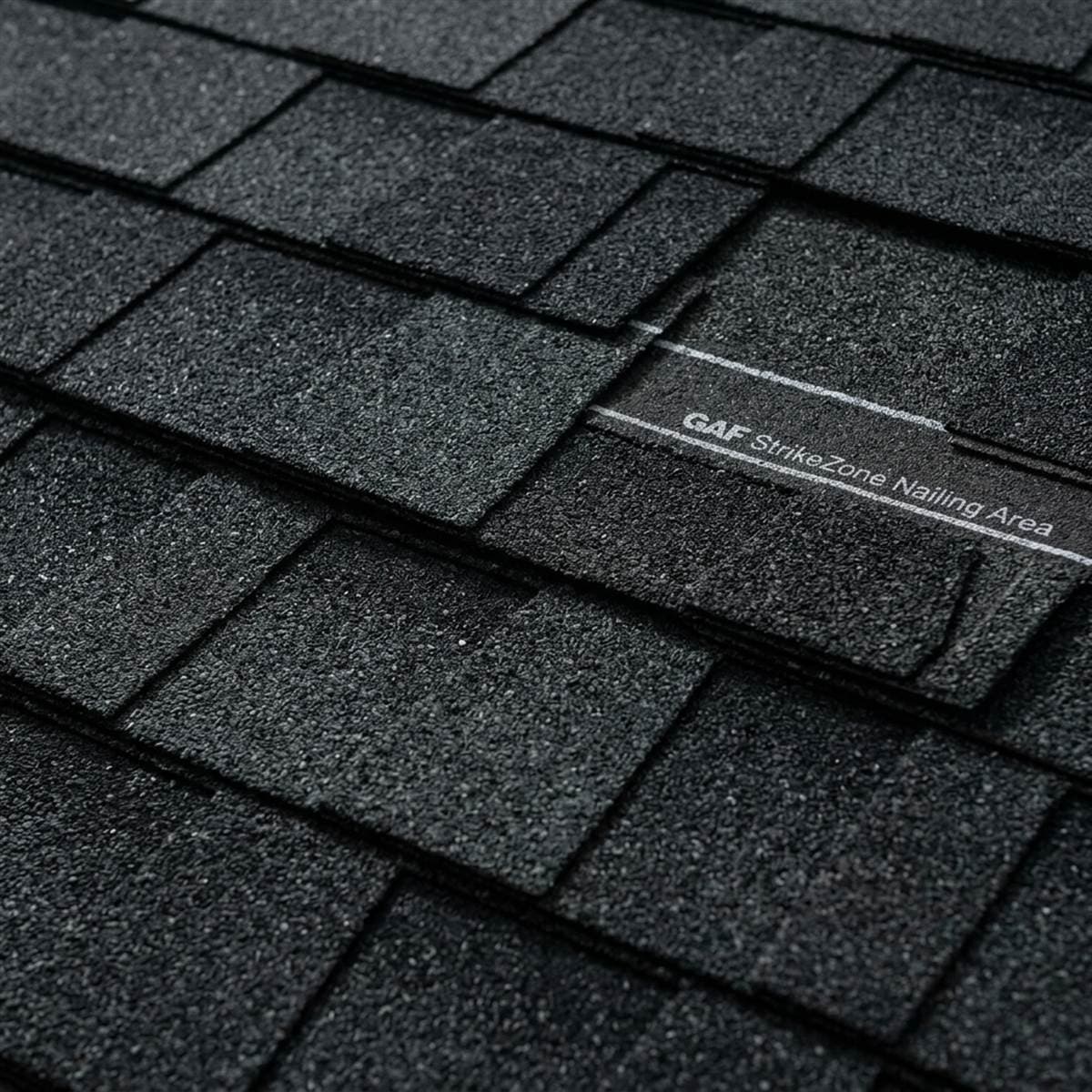
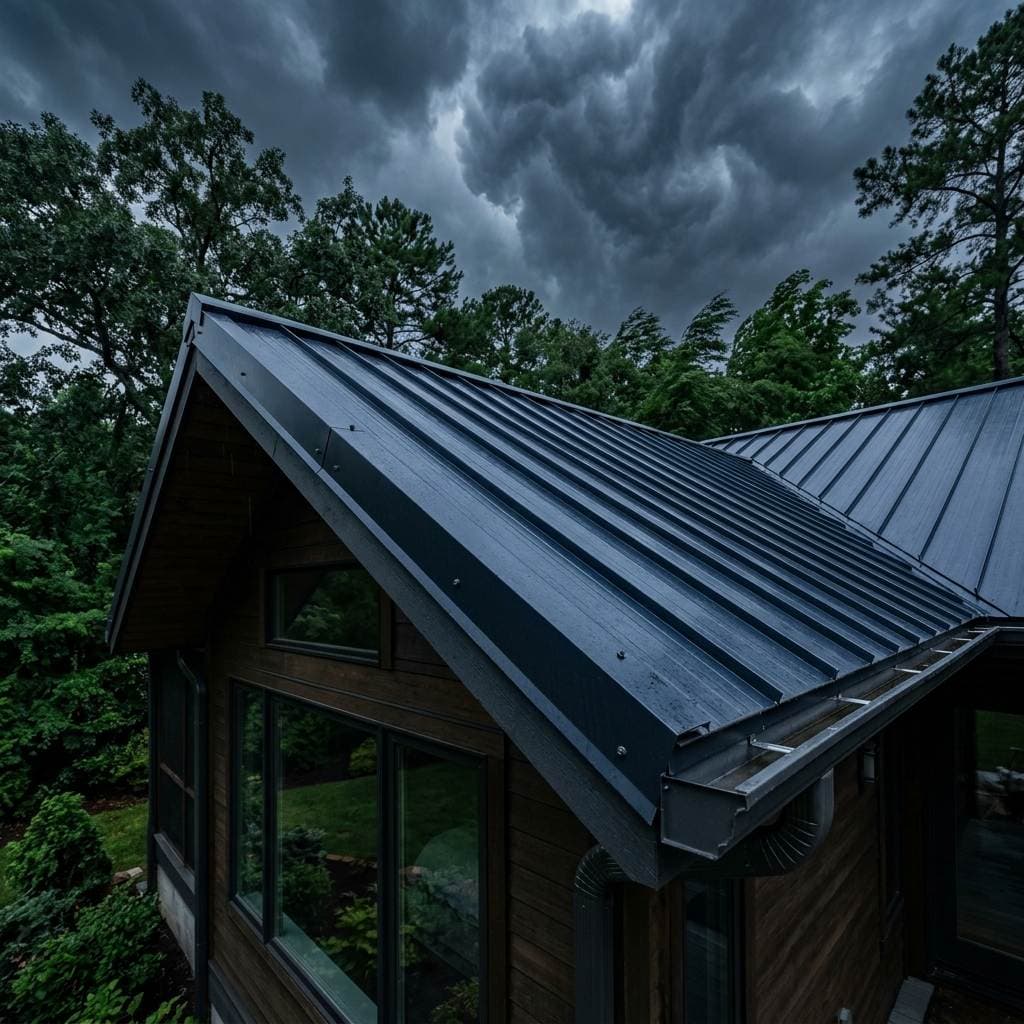
This roof looked perfectly fine from the ground. The barrel tiles were straight, there were no missing shingles, and no water spots appeared on the living room ceiling. Yet during the first sustained 115 MPH gusts of a passing storm, the entire northwest slope peeled open like a tin can, dumping thousands of gallons of rainwater directly into the attic.
If storm season is approaching, ask yourself the hard question: would your roof survive a South Florida hurricane?
A visual glance from your driveway gives a false sense of security. The true vulnerabilities that determine whether a roof will survive a South Florida hurricane are completely invisible from the ground. At Diversified Roofing Solutions, our certified roofers have inspected thousands of coastal roofs across Jupiter, Stuart, and Boca Raton. Here is what we find when we get up on the deck.
The Hidden Failure Points Invisible From the Ground
Hurricane damage is rarely caused by flying debris alone. The overwhelming majority of catastrophic roof failures stem from negative pressure uplift—where high-velocity winds rushing over the roof ridge create an airplane-wing vacuum effect that literally sucks decking and coverings off the rafters.
Here are the four hidden defects that compromise hurricane roof survivability in South Florida:
1. Broken Shingle Sealant Strips (Thermal Adhesion Failure)
Asphalt shingles rely on a heat-activated thermal sealant strip on their underside to lock down against the shingle below. After 7 to 10 years of intense Florida heat, that glue dries out and turns brittle. From the driveway, the shingles look flat and neat. But under a 90 MPH gust, unsealed architectural shingles flap upward, catch the wind, and tear off in sheets.
2. Powdered Underlayment Beneath Intact Tiles
Concrete and clay barrel tiles can last 50+ years, but traditional 30 lb organic felt underlayment beneath them rarely survives past 18 to 20 years in Florida. The extreme heat baking beneath the tiles cooks the felt into dry powder. If wind-driven rain pushes under a shifted tile, there is zero waterproof barrier left to stop water from flooding your home.
3. Smooth-Shank Staples & Outdated Deck Nailing
Roofs installed prior to updated Florida building codes often utilized smooth staples or thin 6d smooth-shank nails spaced 12 inches apart. Smooth fasteners have almost zero pull-out resistance under upward suction forces. Modern codes require heavy 8d ring-shank nails driven every 6 inches along panel edges, which feature mechanical ridges that grip the wood fibers permanently.
4. Corroded Rafter Hurricane Clips
In attic spaces across coastal Palm Beach and Martin counties, salty coastal air entering through soffit vents causes metal truss straps and hurricane clips to rust. If structural ties corrode, the connection between your roof trusses and the concrete tie-beam is severely compromised.
Anatomy of a Hurricane-Proof Roof Assembly
To guarantee that your property can survive a Category 4 or 5 South Florida hurricane, every layer of the roof assembly must function as an integrated defensive barrier:
┌─────────────────────────────────────────────────────────────┐
│ 1. OUTER COVERING: HVHZ-Rated Tile, Shingles, or Metal      │
├─────────────────────────────────────────────────────────────┤
│ 2. SECONDARY WATER BARRIER: Self-Adhering Peel & Stick (SWR)│
├─────────────────────────────────────────────────────────────┤
│ 3. REINFORCED DECKING: 8d Ring-Shank Nails Spaced 6" OC     │
├─────────────────────────────────────────────────────────────┤
│ 4. STRUCTURAL ANCHORING: Heavy-Gauge Steel Hurricane Ties   │
└─────────────────────────────────────────────────────────────┘
The gold standard for residential storm defense is installing a secondary water barrier in Florida, which seals the plywood deck even if outer coverings blow off.
Comparing Hurricane Resistance by Roofing Material
| Roof Material Type | FBC Wind Uplift Rating | Resistance to Wind-Driven Rain | Impact / Flying Debris Rating |
|---|---|---|---|
| 3-Tab Shingles | 60–90 MPH | Poor (blows off easily) | Class 1–2 (easily cracked) |
| Architectural Shingles (GAF/CertainTeed) | 130 MPH | Good (when hand-sealed) | Class 4 Impact Rated available |
| Concrete & Clay Tile | 150–180 MPH | Excellent (with foam adhesive) | High mass; resists severe wind |
| Standing Seam Metal | 180+ MPH | Superior (mechanically locked seams) | Class 4 (maximum impact defense) |
How to Test Your Roof Before Storm Season Arrives
Do not wait until a named tropical storm is tracking toward South Florida to find out if your roof is vulnerable. A certified physical roof inspection service by a licensed contractor (#CCC1330205) includes:
- Hand-Tension Uplift Testing: Physically testing perimeter shingles and tile ridge caps for bond adhesion.
- Attic Decking Audit: Inspecting rafter-to-wall hurricane clips, checking for dark water stains, and verifying nail penetration.
- Flashing & Valley Inspection: Checking lead plumbing boots, wall counter-flashings, and drip edges for corrosion and sealant separation.
- Wind Mitigation Documentation: Providing formal documentation to unlock state grants under My Safe Florida Home funding.
Learn more about upgrading your home with our hurricane-resistant standing seam metal roofing or durable tile roofing installations across Jupiter and Stuart in Martin County. If you have active storm damage, review our emergency storm roof repair guide or call (561) 841-5676.
Frequently Asked Questions
Why do roofs that look fine from the ground fail during a hurricane?
Ground-level inspections cannot reveal broken shingle adhesive seals, dry-rotted underlayment under clay tiles, rusted hurricane clips, or smooth-shank nails that pull out of plywood decking under negative wind pressure.
What wind speed must a roof in South Florida withstand?
Under High Velocity Hurricane Zone (HVHZ) building codes in Palm Beach, Broward, and Martin counties, modern roof installations are engineered to withstand sustained winds and gusts of 150 to 180+ MPH.
What is the single most critical component for hurricane roof survival?
A sealed secondary water barrier (SWR peel-and-stick underlayment) combined with 8d ring-shank decking nails spaced every 6 inches. This ensures that even if outer tiles or shingles blow off, water cannot penetrate into the home.