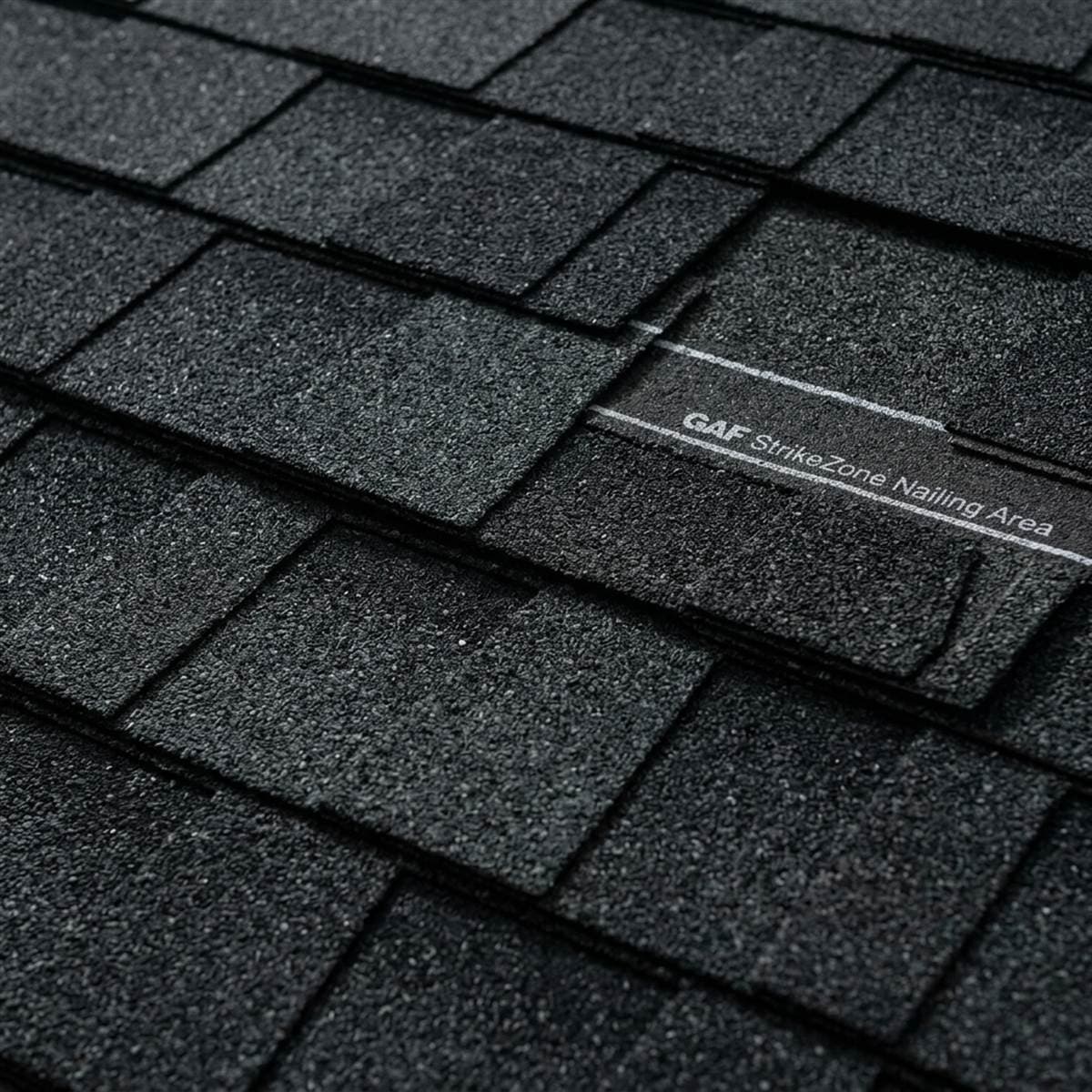
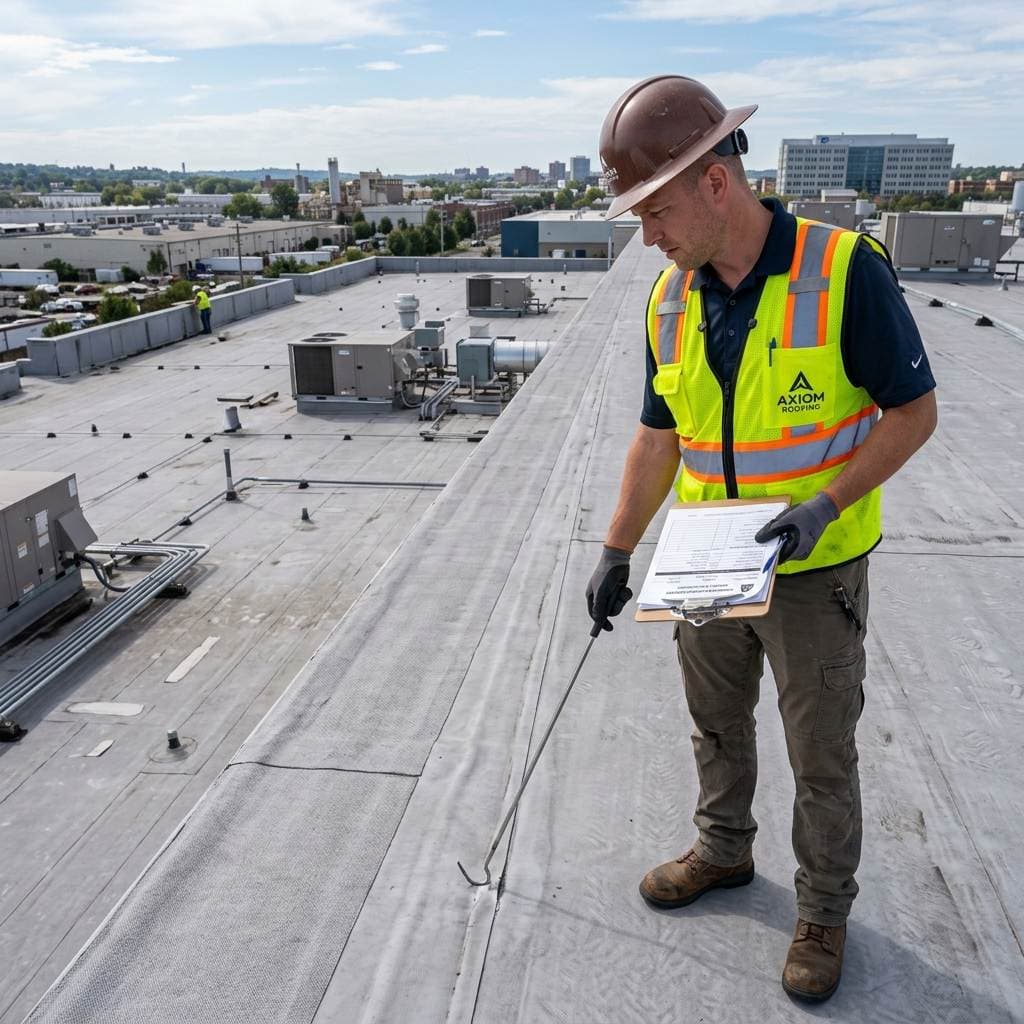
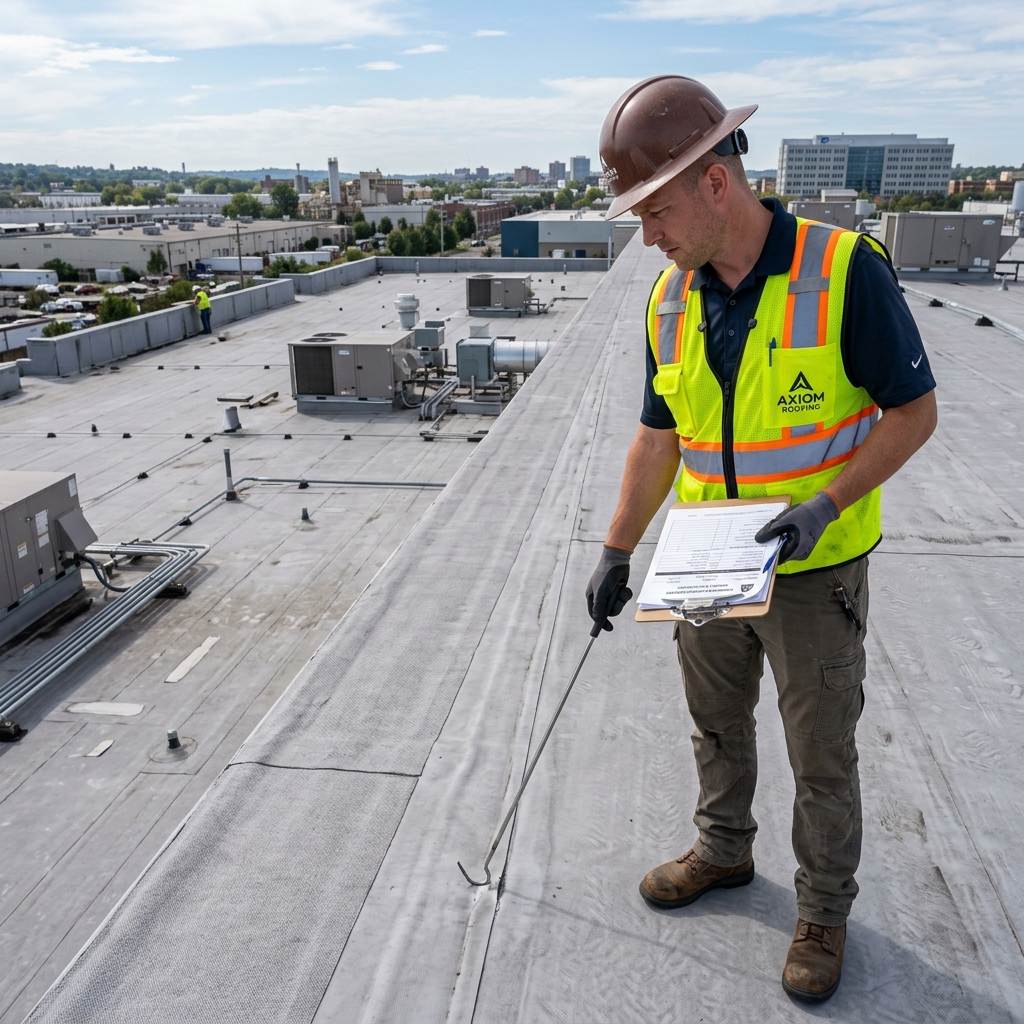
Your commercial roof is a massive capital asset. Ignoring it is financial suicide. For building owners across South Florida, signing up for professional roof maintenance is the only reliable way to protect that investment and prevent costly operational downtime. Unlike a steep-slope residential roof, your commercial flat deck takes a brutal beating. It absorbs punishing thermal stress. Heavy HVAC technicians drag toolboxes across it. It relies on complex interior drains that constantly clog with palm fronds. We break down exactly why a commercial roof maintenance agreement makes financial sense. Protect your membrane. Protect your bottom line.
Extending Membrane Lifespan with roof maintenance
Replacing a commercial system is painfully expensive. Active inspections and targeted patching during routine roof maintenance squeeze every drop of life out of your TPO, PVC, or modified bitumen. Insulation moisture testing is a game changer.
South Florida's UV radiation and standing rainwater will chew through any membrane eventually. But catching a peeling seam, a backed-out fastener, or a choked scupper early stops disaster. It keeps water from saturating the expensive insulation deck underneath. Inspectors utilize core cut analysis. They cut a tiny cylinder straight through the membrane down to the metal deck. They check if water has ruined the lower polyiso or gypsum board. Once tested, they immediately patch the core hole. You get hard data on your moisture levels. When insulation boards soak up water, they lose their R-value completely. This thermal failure forces your rooftop HVAC units to work overtime, spiking your monthly utility bills. Keeping that insulation bone dry preserves your structural decking and starves off mold.
Securing Your Manufacturer Warranty with roof maintenance
Don't kid yourself. Having a 20-year warranty from a major manufacturer doesn't mean you have a blank check. These warranties carry ironclad maintenance requirements. NDL agreements are highly recommended, but they come with strings attached.
This is especially true for premium NDL (No Dollar Limit) warranties. Yes, an NDL covers all labor and materials for qualified repairs. But the manufacturer strictly demands documented proof of annual check-ups. Most major commercial brands will immediately deny your claim without proof of annual roof maintenance. If a leak pops up and the adjuster sees that clogged drains left water ponding for weeks, they rip up your warranty. A structured maintenance program hands you the digital inspection logs and timestamped photos you need to force the manufacturer to honor their guarantee.
Preventing Operations Interruptions with roof maintenance
A roofing failure isn't just a building problem. It's a direct attack on your business. Water pouring onto your server racks, retail inventory, or heavy manufacturing machinery triggers massive financial losses.
Active leaks create massive liability. A puddle on a polished concrete floor is a lawsuit waiting to happen. Slip-and-fall injuries from dripping ceilings expose you to brutal legal claims. You must reduce your company liability. Catching a weak seam during scheduled roof maintenance keeps your doors open. Resealing a flashing boot on a Saturday morning is cheap. Shutting down a production line or closing a storefront because your roof caved in on a Monday is a nightmare.
Checklist of a Professional roof maintenance Program
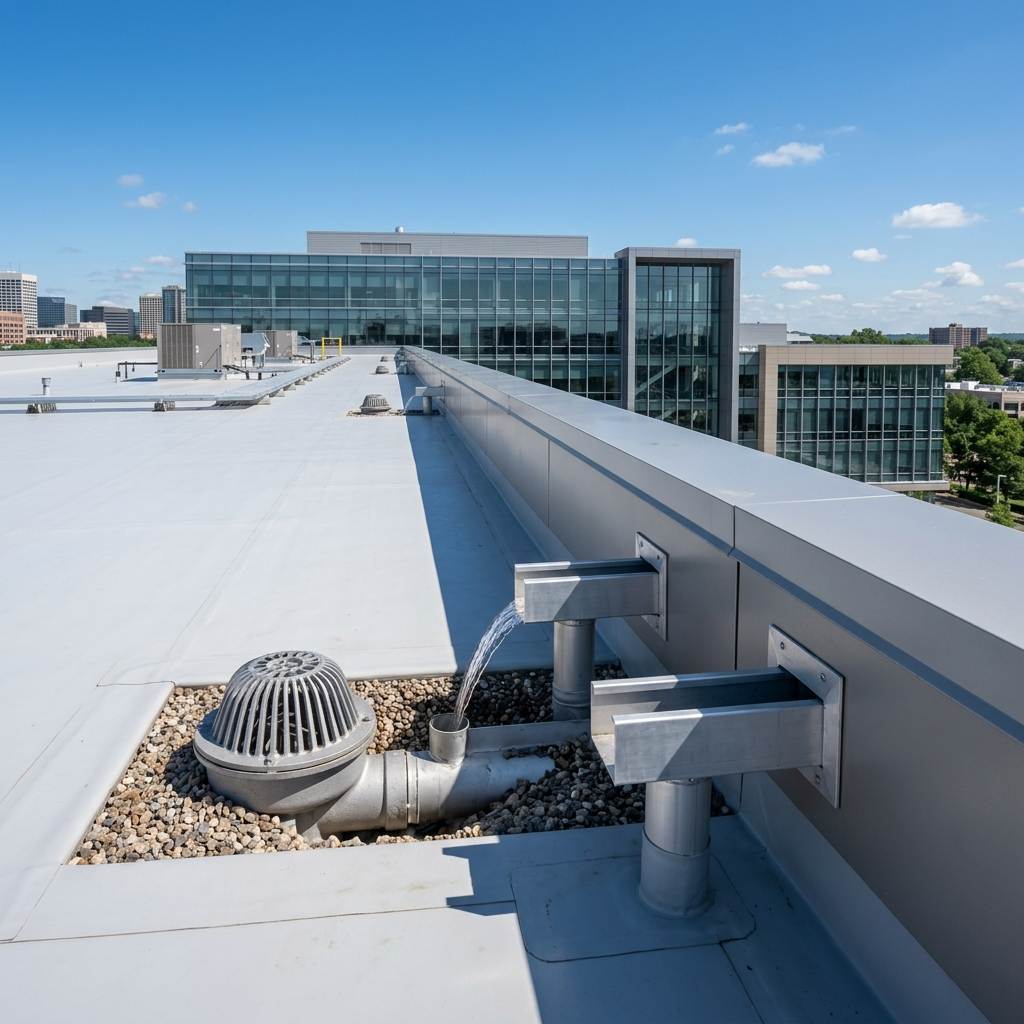
A real maintenance sweep is not a quick visual glance. Certified inspectors hunt down failing joints, cracked flashings, and sluggish drains during every roof maintenance visit. This physical check is your first line of defense. Inspectors meticulously evaluate edge metal flashings, proving your coping caps meet local wind pressure codes. They check that the fastener spacing won't give way during a hurricane. Fastener checks keep the roof on the building. Inspecting the seals keeps the water out. A serious commercial checklist includes:
- Drain and Scupper Inspections: Ripping out leaves, sediment, and slime strainers to stop ponding dead in its tracks.
- Joint and Seam Testing: Dragging metal probes along the heat-welded seams to expose weak points before they split.
- HVAC Surround Seals: Testing the heavy sealant bonds around pitch pockets and vibrating curb units.
- Puncture Inspection: Patching tiny holes left by dropped wrenches or flying storm debris.
Locking in regular commercial roof maintenance slashes your operating costs. You stop paying massive premiums for midnight emergency service calls.
Plan Your Commercial Roofing Upkeep
A structured plan secures your building and lets you budget for the eventual replacement without panic. If you are comparing new systems, dive into our breakdown of commercial flat roofing options, covering the pros and cons of TPO, PVC, and EPDM.
You can also weigh the differences in residential low-slope flat roof systems. Check our detailed action list for general flat roof maintenance to ensure your drains flow freely.
Maximize the Value of Your Building Asset
Some property managers think roof maintenance is an optional luxury. It's not. It is the single most effective strategy to slash your total cost of ownership. Minor patches cost hundreds. Ripping out a rusted structural deck costs hundreds of thousands. Take care of your roof, and you avoid catastrophic failure.
Call us today to build a custom program for your commercial roof maintenance. Our certified technicians will walk your deck, log the inspection data, and keep your business dry.
Defend your asset by signing up for our commercial leak protection plans.
[!TIP] Planning a Roof Replacement? Use our interactive Florida Roof Replacement Cost Calculator to get an instant satellite measurement and pricing estimate for your property.
Local Service Areas & Regional Coverage
Diversified Roofing Solutions provides certified residential and commercial roofing services across South Florida and the Treasure Coast, including Palm Beach County, Martin County, Broward County, and St. Lucie County.